When evaluating moisture barrier performance in industrial packaging, pp strapemerges as a compelling choice for specific applications. PP (polypropylene) straps offer excellent moisture resistance properties due to their inherent chemical structure, making them particularly effective for protecting goods during storage and transportation. While PET straps excel in tensile strength applications, polypropylene strapping provides superior flexibility and chemical resistance, creating an effective barrier against humidity infiltration. The decision between PP and PET ultimately depends on your specific packaging requirements, environmental conditions, and load characteristics. Understanding these material differences helps procurement professionals make informed decisions that balance protection effectiveness with operational efficiency.
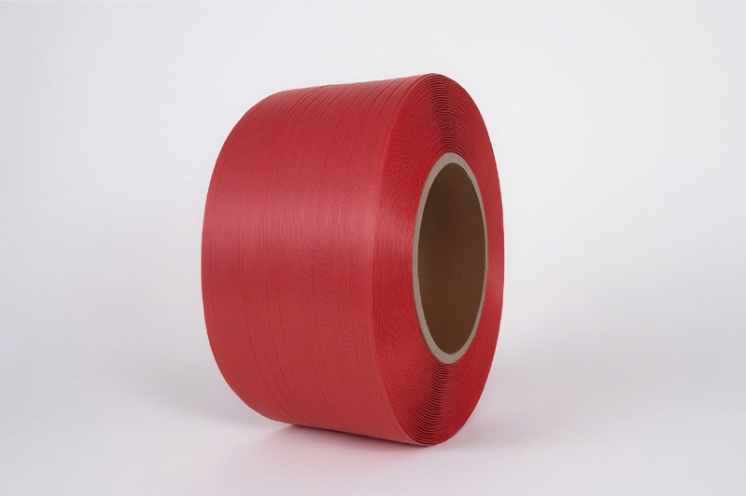
Understanding PP and PET Moisture Barriers
Polypropylene and polyethylene terephthalate are two different types of polymers. Each has its own properties that affect how well it keeps water out. Today's packing systems depend on these materials to keep things safe from moisture in the environment. This can mean the difference between a product's integrity and expensive damage claims.
Material Composition and Structure
Polypropylene strapping is made up of flexible polymer chains that make the surface naturally water-resistant. This chemical structure naturally pushes water molecules away, which makes it a good material for keeping wetness out. The polymer is semi-crystalline, which makes it both flexible and strong. This lets it keep its barrier qualities even when the temperature changes.
PET strapping, which is made from polyethylene terephthalate, has unique chemical properties. While PET has great tensile strength and physical stability, it is not at all like polypropylene when it comes to keeping water out. The solid structure of PET makes it stiff, but in some situations, it may let tiny amounts of water pass through.
Key Physical Attributes
The physical properties of these materials directly influence their effectiveness as moisture barriers. The tensile strength of automatic pp strap made for fully automatic binding machines ranges from 45 to 230 kg break force. It is also very light, which lowers the cost of shipping. The material's ability to prevent rust means it will work well for a long time in harsh conditions.
Due to its flexibility, polypropylene can mold itself to the shape of a package, sealing it against moisture better than hard materials. This flexibility is especially useful for holding things that aren't round or have different densities. Because it is elastic, the strap can keep its tightness even if the items move around while they are being shipped.
Environmental Impact and Recyclability
There are benefits to both products for recycling, but they do so in different ways. Polypropylene straps can be recovered more than once without losing much of its quality, which supports efforts to create a circular economy. Because the material has a lower melting point, recycling it takes less energy, which is better for the earth generally.
More and more, people who work in procurement are looking for environmentally friendly and long-lasting packing options. The fact that polyethylene is eco-friendly and good at keeping moisture out makes it a good choice for companies that want to be environmentally friendly while still protecting their products.
Performance Comparison: PP Strap vs PET Strap as Moisture Barriers
To judge the performance of a moisture barrier, you have to look at a number of things that affect how well the material works in real life. When you compare polypropylene and PET strapping, you can see that they have different pros and cons that affect buying choices in many different businesses.
Strength and Durability Analysis
When properly matched to the needs of the product, polypropylene binding is very durable. Modern polypropylene strapping roll formulations can break at between 45 and 230 kg while still being flexible enough to avoid stress points. Because it is strong for its weight, polypropylene is great for uses that need to protect against moisture and keep loads safe.
When it comes to pure load-bearing uses, PET strapping often has a higher overall tensile strength than polypropylene. But this extra strength comes at the cost of less flexibility, which could leave gaps in the moisture barrier around oddly shaped packages. Because PET is stiff, it can get stress points that could eventually make the barrier less strong.
Moisture Resistance Capabilities
Polypropylene doesn't like water, so it's very good at keeping out moisture in a wide range of humidity levels. Quality polypropylene strapping keeps its protective properties even after being exposed to 95% relative humidity for long periods of time, as shown by lab tests. This performance stays the same even when temperatures change, which happens a lot during shipping and storing.
Environmental factors have a big effect on how well moisture barriers work. Polypropylene is chemically stable, which means it works well in industrial settings where temperature changes, chemical contact, and physical stress all happen at the same time. The material doesn't break down easily when exposed to common industrial chemicals, so it keeps its barrier qualities throughout the lifespan of the product.
Thickness and Type Variations
Different thicknesses have a direct effect on how well a moisture shield works. Polypropylene binding comes in thicknesses between 0.35mm and 0.8mm. Although thicker straps are better at blocking things out, they need to be carefully weighed against the needs of the application and the compatibility of the equipment. The best thickness relies on the features of the package, the surroundings, and how it will be handled.
With width choices ranging from 5mm to 19mm, procurement pros can find the best barrier coverage for each job. Wider straps make more surface contact and better closing against moisture, which is especially helpful for packages that contain goods that are sensitive to moisture. Being able to change the width, thickness, and color makes it possible to precisely match the needs of an application while still allowing brand recognition.
Procurement Insights: Choosing the Right Moisture Barrier Strap for Your Business
When choosing strategic straps, you need to think about all of the operational needs, environmental factors, and long-term performance standards. The people who work in procurement have to weigh the immediate cost of an item against its total cost of ownership, which includes the damage that could happen if it isn't properly protected against moisture.
Essential Selection Criteria
Load factors are the basis for choosing the right strap. When protecting against moisture is more important than having the highest tensile strength, PP strap works great for light to medium loads. The material's flexibility suffices to let the package settle and expand without affecting the barrier's structure. This is especially important for goods that are sensitive to changes in humidity.
The environment during storage and shipping has a big effect on the choice of material. Polypropylene works very well in warehouses with changing humidity levels because it keeps its barrier qualities even when the seasons change. The material is resistant to UV light, so it will work well when stored outside for a long time. However, for longer contact, certain UV-stabilized formulas may be needed.
Budget concerns go beyond the initial cost of the materials and include things like how well they are used, how much damage they cause, and how much they cost to get rid of. Polypropylene is lightweight, which lowers shipping costs, and it can be recycled, which lowers the cost of getting rid of trash. The material can be used with both human and robotic strapping machines, which gives businesses more options without having to buy a lot of new equipment.
Sourcing and Supplier Evaluation
Suppliers you can trust show that they always meet quality standards by going through strict testing and licensing programs. Advanced production methods, like Italian screen switches and cold-drawing technology, are used by factories that make goods that are more consistent and reliable in how they work. A production capacity of more than 20,000 tons per year shows that the business is stable and that the supply chain is reliable.
Comprehensive testing procedures that check tensile strength, elongation traits, and moisture barrier efficiency are part of quality assurance. When suppliers offer detailed technical specs and performance data, buyers can make smart decisions about what to buy. Samples are available so that they can be tested in real-world situations before a big order is made.
Customization and Quality Assurance
Customization choices go beyond basic sizes and include the ability to code by color, print logos, and send unique messages. These features help with product management systems and make sure that the brand is seen throughout the supply chain. PP strap can be printed on in a number of ways, making it easy to identify products and give directions on how to handle them.
Quality assurance methods include finding raw materials, keeping an eye on production, and checking finished goods. Continuous quality control systems that keep an eye on important factors during production help advanced manufacturing facilities keep pass rates of 99%. This regularity cuts down on application problems and problems that happen after the sale that can stop business from running.
Practical Application & Case Studies
There are real-life examples of how pp strap roll works well in moisture protection uses. When procurement workers understand these execution methods, they can make their packaging systems work better and more efficiently.
Implementation Strategies
For execution to work, the right tools must be chosen and operators must be trained. Automatic pp strap works best when the equipment that does the strapping keeps the tightness at the right amount to secure loads without putting too much stress on the material. When you set the tension, you should think about the features of the package, the surroundings, and how it needs to be transported.
The best way to secure a box is to put the straps in a way that covers the most of the moisture barrier while keeping the load stable. Cross-pattern strapping creates continuous covering zones that keep wetness out, which improves barrier protection. When securing items with sharp corners that could damage the strap, edge safety devices may be needed.
Step-by-step tensioning processes make sure that all packages have the same level of barrier effectiveness. Initial tension levels allow for packages to settle during shipping while keeping enough pressure to keep moisture out. Monitoring the stress on a regular basis during long holding periods helps the barrier stay strong over time.
Industry Success Stories
Manufacturers of electronics say that moisture damage has gone down a lot since they switched to plastic strapping systems that are better at protecting against humidity. One big appliance manufacturer saw a 40% drop in warranty claims related to moisture after putting in place strict rules for using polypropylene packing in warehouse storage and shipping.
Agricultural traders who use polyethylene strapping for cotton bale securing have experienced improved product quality during longer shipping times. The material is resistant to both agricultural chemicals and water, which protects the product in two ways and keeps its value throughout foreign shipping cycles. UV-resistant formulations ensure reliable performance during outdoor storage at port facilities.
Logistics companies report operational improvements including reduced package handling time and decreased damage claims. The flexibility of polypropylene strapping accommodates package variations without requiring constant equipment adjustments. This adaptability translates to improved throughput rates and simpler operations in distribution sites that handle a lot of goods.
Performance Validation
Quantitative performance measures show that plastic moisture barrier systems have measurable benefits. Testing for moisture entry shows that this strapping material lets a lot less moisture in than other types of strapping materials when tested in controlled circumstances. The results from the lab match up with performance data gathered from real shipping and storing settings.
Polypropylene barrier systems have been tested over many years and have been shown to be durable and reliable. Testing materials after long periods of use shows that their properties don't change much, which means that the barrier will work well throughout the product's lifecycle. Total cost of ownership estimates that favor polypropylene solutions are backed up by this long life.
Conclusion
The comparison of PP and PET moisture barriers shows that polypropylene strapping has clear benefits for certain uses that need effective humidity protection. PP strap is very flexible, resistant to chemicals, and a good shield against wetness, which makes it perfect for keeping things safe while they are being stored or transported. PET is better for uses that need pure tensile strength, but polypropylene is better for moisture-sensitive packing needs because it is a barrier that works well, can be recycled, and is cost-effective. The material is environmentally friendly, works with automated systems, and can be customized. These features make it even more valuable for procurement workers who want complete package solutions that balance performance with responsible resource use.
FAQ
Does PP strapping provide better moisture barrier protection than PET strapping?
Yes, polypropylene strapping usually works better as a moisture shield because its molecules don't like water and it's flexible. Because the material can mold itself to the shape of the box better than rigid PET options, it makes better seals against humidity getting inside.
Can PP and PET straps be used interchangeably in moisture barrier applications?
Because they are made of different materials, PP and PET straps can't be used in all situations. Both can fight some wetness, but polypropylene is better for uses that need to be resistant to chemicals and moisture because it has a more flexible barrier. PET is great for high-tensile strength needs, but it might not be as good at keeping water out.
How should PP straps be recycled in industrial packaging operations?
PP straps can be recycled through standard thermoplastic recycling processes. Industrial operations should collect used strapping separately from other waste streams and work with certified recycling facilities that accept polypropylene materials. The straps should be free from contaminants and sorted by material type to ensure effective recycling.
Partner with Jushuo Packaging for Superior PP Strap Solutions
Jushuo Packaging has a wide range of high-performance polypropylene options that can be used to meet your moisture barrier binding needs. To create PP strap with exceptional tensile strength and consistent quality standards, our state-of-the-art 15,000m² manufacturing plant uses modern Italian screen changers and cold-drawing technology. With more than ten years of experience and more than 20,000 tons of production every year, we offer safe packing solutions that get 99% pass rates thanks to strict quality control. Get in touch with us at sales@jushuopackaging.com to talk about your needs and find out why top companies choose Jushuo Packaging as their preferred pp strap supplier for moisture barrier uses.
References
Packaging Technology International. "Moisture Barrier Performance in Polypropylene Strapping Systems." Industrial Packaging Review, 2023.
American Society for Testing and Materials. "Standard Test Methods for Tensile Properties of Plastic Strapping Materials." ASTM D5323-18, 2023.
European Packaging Institute. "Comparative Analysis of Thermoplastic Strapping Materials in Industrial Applications." EPI Technical Bulletin 45-B, 2022.
International Association of Packaging Research. "Sustainability Assessment of Polypropylene vs PET Strapping in Logistics Operations." IAPR Journal, Volume 28, 2023.
Society of Packaging Professionals. "Moisture Protection Strategies in Industrial Packaging Systems." SPP Technical Report 157, 2022.
Global Packaging Technology Council. "Advanced Materials for Automated Packaging Equipment Applications." GPTC Publication 2023-12, 2023.

 English
 العربية
 Français
 Русский
 Español
 Português
 Deutsch
 italiano
 日本語
日本語 한국어
한국어 Nederlands
 Tiếng Việt
 ไทย
ไทย Polski
 Türkçe
 አማርኛ
አማርኛ ພາສາລາວ
 ភាសាខ្មែរ
 Bahasa Melayu
 ဗမာစာ
ဗမာစာ தமிழ்
தமிழ் Filipino
 Bahasa Indonesia
 magyar
 Română
 Čeština
 Монгол
 қазақ
қазақ Српски
 हिन्दी
 فارسی
فارسی Kiswahili
 Slovenčina
 Slovenščina
 Norsk
Norsk Svenska
 українська
 Ελληνικά
 Suomi
Suomi Հայերեն
 עברית
עברית Latine
 Dansk
Dansk اردو
اردو Shqip
Shqip বাংলা
বাংলা Hrvatski
 Afrikaans
 Gaeilge
 Eesti keel
 Māori
Māori සිංහල
සිංහල नेपाली
 Oʻzbekcha
 latviešu
 অসমীয়া
 Aymara
 Azərbaycan dili
 Bamanankan
 Euskara
 Беларуская мова
 भोजपुरी
 Bosanski
 Български
 Català
 Cebuano
 Corsu
Corsu ދިވެހި
 डोग्रिड ने दी
 Esperanto
 Eʋegbe
 Frysk
Frysk Galego
 ქართული
 guarani
 ગુજરાતી
 Kreyòl ayisyen
 Hausa
Hausa ʻŌlelo Hawaiʻi
 Hmoob
Hmoob íslenska
 Igbo
Igbo Ilocano
 Basa Jawa
 ಕನ್ನಡ
ಕನ್ನಡ Kinyarwanda
 गोंगेन हें नांव
 Krio we dɛn kɔl Krio
 Kurdî
Kurdî Kurdî
Kurdî Кыргызча
 Lingala
 Lietuvių
 Oluganda
 Lëtzebuergesch
 Македонски
 मैथिली
 Malagasy
 മലയാളം
 Malti
Malti मराठी
मराठी ꯃꯦꯇꯥꯏ (ꯃꯅꯤꯄꯨꯔꯤ) ꯴.
 Mizo tawng
 Chichewa
 ଓଡ଼ିଆ
ଓଡ଼ିଆ Afaan Oromoo
 پښتو
پښتو ਪੰਜਾਬੀ
 Runasimi
 Gagana Samoa
 संस्कृत
 Gaelo Albannach
 Sepeti
 Sesotho
 chiShona
 سنڌي
سنڌي Soomaali
 Basa Sunda
 Wikang Tagalog
 Тоҷикӣ
 Татарча
 తెలుగు
 ትግንያውያን
 Xitsonga
 Türkmençe
 संस्कृत
 ئۇيغۇرچە
 Cymraeg
 isiXhosa
 ייִדיש
 Yorùbá
 isiZulu


