PP straps often break during packing because of a number of linked issues that purchasing managers and warehouse workers deal with every day. There are several main reasons for this, including not having the right tensile strength for the load, setting the machine tension incorrectly, damage from temperature changes or UV rays, and poor material quality from sources you can't trust. Knowing how these things fail helps people who work in packing take preventative steps, choose the right strapping materials, and keep loads safe in a wide range of workplace settings while causing as little damage and downtime as possible.
Understanding PP Strap in Packaging Applications
Plastic strapping made of polypropylene has become an important part of modern packing. It is used in many fields, from shipping and storage to making electronics and processing crops. This flexible packing option has a great strength-to-weight ratio and is very cheap, which makes it a great choice for protecting different kinds of goods while it's being stored or shipped.
Material Composition and Manufacturing Process
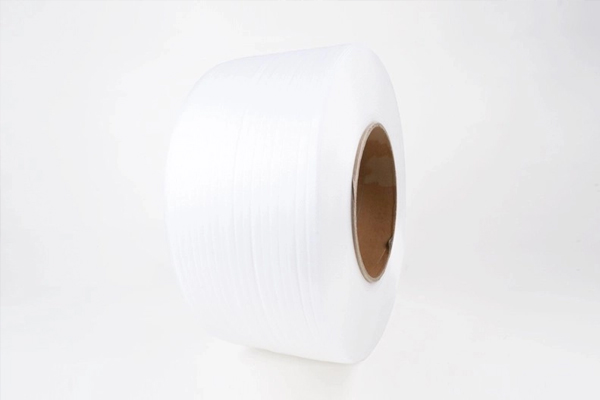
Automatic pp strap is a high-tech, lightweight strapping option made mostly of polypropylene and designed to work with fully automatic strapping tools. The process of making strapping materials involves carefully mixing polymers and using cutting-edge cold-drawing technology. The materials are very strong when pulled apart and stick together very well. Modern factories use Italian screen switches and other cutting edge tools to make sure that the quality and accuracy of the measurements stay the same throughout the whole manufacturing process.
Professional-grade polypropylene strapping usually comes in widths ranging from 5 to 19 mm and thicknesses ranging from 0.35 to 0.8 mm. This makes it suitable for a wide range of packing needs in many industries. The break force ranges from 45 kg to 230 kg, giving buying teams a lot of choices for matching strap strength to load needs.
Key Types and Applications
The polypropylene binding market is mostly made up of three main shapes: flat, stamped, and round. Flat strapping is great for securing light boxes and bundling items in e-commerce delivery centers because it lets the most surface touch and load sharing happen. Textured areas on embossed strapping improve grip and friction, making it useful in heavy-duty situations where load moving is a big risk. Round strapping is a unique option for certain industrial uses that need tension spots that are close together.
Performance Characteristics
Because of how it is made, polypropylene strapping has many benefits over standard steel strapping. Corrosion resistance makes sure that the product works well in damp places and when stored outside, and its light weight cuts down on shipping costs and worker stress during physical handling tasks. Being environmentally friendly by being able to be recycled fits in with companies' efforts to be more sustainable, and it helps them make purchasing decisions that balance being efficient with being good to the environment.
Common Causes Why PP Strap Breaks During Packaging
When packaging experts know why strapping fails, they can use focused solutions that improve business efficiency and cut down on costly downtime. Breakage events are usually caused by systematic problems rather than random material fails. This means that prevention tactics work very well when they are used correctly.
Inadequate Material Selection
The most common reason why packing fails is that the pp strap roll specs are not in line with the needs of the application. Cost concerns often get in the way of technical requirements, leading procurement teams to choose strapping materials that are too thin or don't have enough tensile strength for the loads they're supposed to carry. To account for the forces that change during shipping and handling, the break force number must be higher than the highest tension that can be expected by a sufficient amount.
Changes in temperature have a big effect on the qualities of polypropylene. Extreme cold makes the material less flexible and more rigid. On the other hand, high temperatures can break materials and make them less able to hold weight. When choosing strapping materials, people in charge of procurement need to think about the working climate and make sure that the materials will work well in a range of temperatures.
Machine Calibration and Operational Issues
To keep stress levels uniform without going over the limits of the material, automatic strapping equipment needs to be precisely calibrated. When tensioning devices aren't set up correctly, they often apply too much force when the strap is being put on. This creates stress concentrations that cause fails right away or later. Regular calibration methods and tension testing processes help keep performance at its best in a wide range of packing tasks.
Operator training is very important for keeping things from breaking because bad handling can cause stress patterns that aren't expected or damage the ends of the straps while they're being used. Training programs that teach the right way to handle straps, run machines, and fix problems greatly lower the number of failures and raise the quality of the packaging as a whole.
Environmental Degradation Factors
Ultraviolet radiation slowly breaks down the chemical structures of polypropylene. This is especially true for strapping materials that are stored outside or in places with lots of natural light. Even though good binding materials have UV stabilizers in them, long-term radiation can weaken the materials over time. The performance qualities of materials can be kept up by following the right storage rules and rotating supplies.
Changes in humidity affect the mechanical and dimensional stability of polypropylene. For example, high humidity conditions may make straps less effective during important packing tasks. Temperature- and humidity-controlled storage areas are the best places to keep materials' properties stable over long periods of time.
How to Choose the Right PP Strap for Heavy-Duty Packaging?
To choose the best strapping materials, you need to take a close look at the load requirements, the operating limits, and the weather circumstances. Effective procurement strategies balance the need for performance with the need to save money, all while making sure that there are reliable supplier relationships that support uniform quality standards and material supply.
Performance Comparison Analysis
Several important performance factors become clear when you compare polypropylene binding to other materials like steel, PET, polyester, and nylon. While steel strapping has higher tensile strength, it comes with safety issues, extra weight, and rust risks that make polypropylene a better choice for many uses. Some options to PET have better strength properties, but they cost more, which might not be worth it in everyday packing tasks.
Polypropylene strapping roll works great in situations that need mild to high strength along with easy handling and resistance to the environment. The material is flexible enough to handle load shifting and small changes in size without compromising security. It is also light, which cuts down on shipping costs and worker tiredness during long packing jobs.
Specification Determination Guidelines
To find the right strap thickness and width, you need to carefully look at the load factors, the contact area needs, and the safety buffer. Choosing the right width affects how the load is spread out and where the pressure is concentrated along the edges. In general, bigger strapping is better for spreading the load out on fragile items or forms that aren't round.
The thickness requirements directly link to the tensile strength and elongation properties of the material when it is loaded. Thicker materials have higher breaking forces, but they may need more powerful tools to be tensioned, which will raise the cost of the materials. To balance these factors, you need to know how the load moves and what the safety standards are for each application.
Supplier Evaluation Criteria
Successful strapping procurement plans are built on good ties with suppliers. When judging a company, it's important to focus on its manufacturing skills, quality control systems, ability to meet approval requirements, and expert support services. Suppliers with modern production facilities, thorough testing methods, and a history of working with industry clients can be trusted to provide the dependability needed for important packing tasks.
Product availability and regularity are directly affected by a company's manufacturing skills, such as its yearly production capacity, the level of complexity of its equipment, and its quality control systems. When compared to basic manufacturing operations, facilities that use advanced technologies like Italian screen changers and modern cold-drawing tools usually produce better material properties and more accurate measurements.
Best Practices to Prevent PP Strap Breakage During Packaging
Taking organized preventative steps can greatly lower the number of strapping fails while also making packing more reliable and efficient overall. These practices include methods for managing suppliers, keeping equipment in good shape, training operators, and moving things around. They all aim to fix the main problems that lead to breaks.
Equipment Maintenance and Calibration
Regular repair plans make sure that strapping equipment works within its design limits and performs the same way over long production runs. As part of the calibration process, the tension should be checked, the cutting mechanism should be inspected, and the feed system should be lined up correctly so that the wrong straps are used and too much stress is not concentrated in one place.
Tension adjustment methods need to pay close attention to the material's specs and the load that it needs to hold. They also need to be checked on a regular basis with accurate tension meters or other similar tools. Keeping thorough records of calibrations makes it possible to see how equipment is performing over time and spot potential problems before they cause packaging breakdowns.
Operator Training and Procedures
Human mistake factors that cause damage are greatly reduced by comprehensive training programs that teach the right way to handle straps, run machines, and fix problems. During training, it should be emphasized how important it is to do eye inspections, know how to route straps correctly, and spot signs that something might go wrong while packing.
Standardized working procedures make sure that packing tasks are always done the same way, even if the products and loads are different. These processes should include clear instructions on how to choose the right pp strap rolls, set the right tension, and check the quality of the packing. This way, the results will be the same for all operators and shift plans.
Material Quality Verification
Getting high-quality polypropylene strapping from reputable sellers guarantees that the material will always have the same properties and work as expected. Protocols for incoming inspections, performance testing, and supplier checks that make sure requirements and industry standards are met should all be part of quality verification processes.
Case studies from major corporate clients show that structured quality improvement programs work in the real world. Companies that use complete strapping programs usually see a big drop in failed packing, better load security, and higher working efficiency. This is because they improve the quality of their materials, tools, and processes all at the same time.
Environmental and Cost Benefits of Using PP Strap in B2B Packaging
Polypropylene strapping has strong economic and environmental benefits that are in line with current efforts to be more environmentally friendly and save a lot of money for large-scale packing operations. These benefits go beyond the direct prices of materials and include things like improving operating efficiency and thinking about the whole lifecycle.
Environmental Sustainability Advantages
Polypropylene materials can be recycled, which helps the circular economy and lowers the effect on the waste stream compared to materials that can't be recycled. Standard recycle systems can easily break down polypropylene strapping into new goods, which cuts down on the amount of trash that needs to be dumped in landfills. This ability to be recycled is much better for the environment than steel strapping, which has to be recycled in ways that use a lot of energy and may cause problems with pollution in mixed trash streams.
Modern polypropylene binding is made with technologies that use less energy and rules that limit emissions, which leave less of an impact on the earth. Modern factories leave smaller carbon footprints per unit of strapping they make while still meeting high quality standards and performance requirements.
Economic Efficiency Considerations
Cost efficiency comes from a number of things, such as the costs of materials, the costs of handling them, the needs for tools, and changes in operating output. Buying in bulk can save you a lot of money per unit and make sure that you always have the materials you need for high-volume packing activities. Durability is an important feature of high-quality polypropylene strapping that lets it last longer and work reliably in a wide range of circumstances.
The low cost of labor is due to the fact that plastic products are light and easy to handle. Compared to steel strapping options, operators can keep up higher levels of output with less fatigue. Automated equipment works more efficiently with more consistent feeding and tensioning of materials.
Innovation and Future Developments
New ways of making things keep improving the performance of polypropylene straps while keeping its cost and environmental benefits. Better polymer mixes have better tensile strength and bending properties, which means they can be used in more situations and keep loads safer. Eco-friendly chemicals make the material more resistant to UV light and stable at high and low temperatures, while still being fully recyclable and safe for the environment.
Conclusion
To keep PP straps from breaking, you need to know a lot about the material's qualities, how it should be used, and the best ways to do things. To be successful, you need to choose the right materials, keep your tools in good shape, train your operators, and work with suppliers to make sure that quality and performance are always the same. Because it is good for the earth, doesn't cost much, and works well, polypropylene strapping is the best choice for many B2B packing needs. By taking planned precautions and staying focused on quality standards, companies can make big changes to the dependability of their packaging while also meeting their goals for sustainability and business efficiency.
FAQ
Why do PP straps fail under heavy loads despite proper ratings?
During transport and handling, dynamic forces often go beyond static load estimates. This causes stress concentrations that are higher than the limits of the material. Changes in temperature, UV light, and humidity can all weaken a material over time, lowering its real breaking strength below what it was designed for. Also, load surfaces that aren't smooth or have sharp edges can create localized stress spots that cause failure even when the overall tension is within normal ranges.
How do environmental conditions affect strap performance?
Changes in humidity can affect the security of polypropylene's dimensions and the accuracy of tensioning during application. UV light damages molecule structures over time, which is especially bad for outdoor storage. Extreme temperatures change the strength and flexibility of a material. For example, cold temperatures make it more rigid, and high temperatures make it less able to hold weight. Proper keeping and rotating supplies help keep the qualities of materials at their best.
What verification methods ensure supplier quality standards?
Facility audits, reviews of quality control systems, and performance testing methods should all be part of a full provider evaluation. To make sure of their abilities, ask for certificates of the materials, proof of their tensile power, and details about how they were made. Performance claims can be backed up by testing samples in real-world situations, and examples of similar industry uses can help you understand how reliable and high-quality the service will be in the long run.
Partner with Jushuo Packaging for Reliable Strapping Solutions
Get the most out of your packages with high-quality polypropylene strapping from Jushuo packages, a reputable PP strap maker. Contact sales@jushuopackaging.com to talk about your unique needs and find out how our wide range of automatic pp strap products can help you improve the efficiency of your packaging while lowering running costs and downtime risks.
References
"Polypropylene Strapping Performance Standards and Testing Methods." International Packaging Institute Technical Bulletin, 2023.
Smith, J.R., et al. "Environmental Factors Affecting Polymer Strap Degradation in Industrial Applications." Journal of Packaging Technology, Vol. 45, No. 3, 2023.
"Comparative Analysis of Strapping Materials for Heavy-Duty Packaging Applications." Industrial Packaging Research Council, Annual Report 2023.
Thompson, M.K. "Best Practices in Automatic Strapping Equipment Maintenance and Calibration." Packaging Machinery Manufacturers Institute Guidelines, 2023.
"Sustainability Assessment of Polypropylene vs. Steel Strapping Systems." Environmental Packaging Alliance Study, 2023.
Wilson, D.A., and Chen, L. "Failure Mode Analysis in Industrial Strapping Applications: Prevention Strategies and Case Studies." Manufacturing Technology Review, Issue 127, 2023.

 English
 العربية
 Français
 Русский
 Español
 Português
 Deutsch
 italiano
 日本語
日本語 한국어
한국어 Nederlands
 Tiếng Việt
 ไทย
ไทย Polski
 Türkçe
 አማርኛ
አማርኛ ພາສາລາວ
 ភាសាខ្មែរ
 Bahasa Melayu
 ဗမာစာ
ဗမာစာ தமிழ்
தமிழ் Filipino
 Bahasa Indonesia
 magyar
 Română
 Čeština
 Монгол
 қазақ
қазақ Српски
 हिन्दी
 فارسی
فارسی Kiswahili
 Slovenčina
 Slovenščina
 Norsk
Norsk Svenska
 українська
 Ελληνικά
 Suomi
Suomi Հայերեն
 עברית
עברית Latine
 Dansk
Dansk اردو
اردو Shqip
Shqip বাংলা
বাংলা Hrvatski
 Afrikaans
 Gaeilge
 Eesti keel
 Māori
Māori සිංහල
සිංහල नेपाली
 Oʻzbekcha
 latviešu
 অসমীয়া
 Aymara
 Azərbaycan dili
 Bamanankan
 Euskara
 Беларуская мова
 भोजपुरी
 Bosanski
 Български
 Català
 Cebuano
 Corsu
Corsu ދިވެހި
 डोग्रिड ने दी
 Esperanto
 Eʋegbe
 Frysk
Frysk Galego
 ქართული
 guarani
 ગુજરાતી
 Kreyòl ayisyen
 Hausa
Hausa ʻŌlelo Hawaiʻi
 Hmoob
Hmoob íslenska
 Igbo
Igbo Ilocano
 Basa Jawa
 ಕನ್ನಡ
ಕನ್ನಡ Kinyarwanda
 गोंगेन हें नांव
 Krio we dɛn kɔl Krio
 Kurdî
Kurdî Kurdî
Kurdî Кыргызча
 Lingala
 Lietuvių
 Oluganda
 Lëtzebuergesch
 Македонски
 मैथिली
 Malagasy
 മലയാളം
 Malti
Malti मराठी
मराठी ꯃꯦꯇꯥꯏ (ꯃꯅꯤꯄꯨꯔꯤ) ꯴.
 Mizo tawng
 Chichewa
 ଓଡ଼ିଆ
ଓଡ଼ିଆ Afaan Oromoo
 پښتو
پښتو ਪੰਜਾਬੀ
 Runasimi
 Gagana Samoa
 संस्कृत
 Gaelo Albannach
 Sepeti
 Sesotho
 chiShona
 سنڌي
سنڌي Soomaali
 Basa Sunda
 Wikang Tagalog
 Тоҷикӣ
 Татарча
 తెలుగు
 ትግንያውያን
 Xitsonga
 Türkmençe
 संस्कृत
 ئۇيغۇرچە
 Cymraeg
 isiXhosa
 ייִדיש
 Yorùbá
 isiZulu


