The most weight that cotton bale straps can hold varies from 180 kg to 1360 kg, based on the type of material they are made of, their thickness, and their width. Modern cotton bale strap systems, especially those made from high-strength PET materials, have better tensile strength while still being flexible and resistant to weather. These eco-friendly packing options have changed the way that businesses protect things like cotton bales, wood, gadgets, and building supplies while they are being moved or stored. Knowing these load factors helps procurement workers choose the right straps for their cargo needs and safety standards.
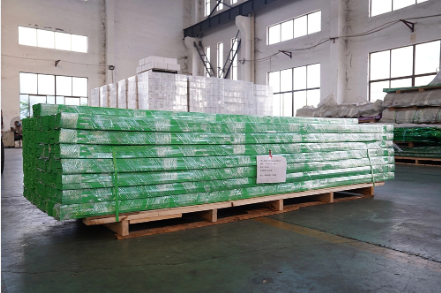
Understanding Cotton Bale Straps and Their Load Limits
Understanding how cotton bale straps work and what determines their load-bearing ability is the first step in securing goods well. These special binding materials have changed a lot from the old ones. They now use modern polymer technologies that work really well in a lot of different situations.
Material Composition and Strength Characteristics
Today's cotton bale strapping is made from high-quality polyester (PET) materials that are both cheap and very strong when pulled apart. PET's chemical structure makes a strong framework that can take a lot of stress without losing its flexibility. For manufacturing purposes, precise molding and cold-drawing are used to line up polymer chains, which makes them better at supporting weight.
The link between the thickness of a material and its breaking force is based on engineering concepts, which say that a larger cross-sectional area means a higher load limit. Straps with thicknesses between 0.4 mm and 1.25 mm can break at 180 kg to 1360 kg, respectively. This wide range can handle different loads of goods while still leaving enough room for safety in case the loads change during transport.
Testing Standards and Load Specifications
To set load limits that can be trusted, strict testing methods that mimic real-life situations are needed. Tensile testing tools put controlled forces on samples that are strapped together until they break. This measures both the final breaking strength and the elongation features. These standard processes make sure that the quality standards are the same for all runs of production.
Most safety factors are between 3:1 and 5:1, which means that the maximum working load is between 20% and 33% of the final breaking power. This cautious method takes into account things like changes in the environment, uneven load distribution, and the possibility that materials will break down over time. Manufacturers of cotton bale strap use these safety gaps to make sure that catastrophic breakdowns don't happen during important transport stages.
Comparing Cotton Bale Straps with Other Strap Types for Load-Bearing
Knowing how different types of strapping work when they're loaded helps buying teams choose the best options for their needs. There are pros and cons to each type of material that affects the total cost-effectiveness and operating efficiency.
PET Strapping Versus Traditional Steel Options
Because it is so hard and has a high tensile strength, steel strapping has traditionally been used for heavy-duty tasks. Modern PET cotton bale strapping, on the other hand, has a similar load-bearing ability and is much easier to use. Steel straps can break at more than 2000 kg, but they can be dangerous because they have sharp ends and could get rusty.
When it comes to handling safety, PET options are better because they have smooth surfaces that remove cut risks during installation and removal. Polyester materials' elastic qualities let them elongate in a controlled way when they are under stress. This lets them handle goods shifting and temperature changes without losing strain. This flexibility is especially helpful for long-distance shipments, where the features of the product may change while it's being sent.
Weight is a big factor that favors PET binding. Polyester materials weigh about 85% less than steel choices that are the same. This means that shipping costs will go down and it will be easy for warehouse workers to move things by hand. Some environmental benefits are that they can be recycled and don't produce rust products that could harm sensitive goods.
Polypropylene Strapping Performance Comparison
Polypropylene (PP) strapping represents the most economical option for light-duty uses, but it doesn't work well in places with a lot of stress. The breaking strength of PP materials is usually between 100 and 400 kg, which means they can be used to bundle cartons and do other light packing jobs. The lower-cost form is good for businesses with a lot of work that don't need much load.
However, cotton baling strap uses often go beyond what PP can do because of the heavy weight and compression forces needed to make a bale. Each cotton bale can weigh up to 250 kg, so tying systems need to be able to keep their tightness even when the load changes. PP strapping has a higher elongation rate, which could make goods less safe during long transport times.
Temperature sensitivity is another problem with PP materials. They can break easily in cold places or lose their strength in hot places. No matter what the weather is like, PET cotton bale strapping works the same way from -40°C to +85°C, so it can be used reliably no matter what.
How to Choose the Right Cotton Bale Strap Based on Load Limits?
To choose the right strapping, you need to carefully look at the features of the cargo, the conditions of shipping, and the limitations of the operation. This way of making decisions affects both short-term prices and long-term efficiency of operations all along the supply chain.
Load Assessment and Safety Factor Calculations
To do a good job of estimating a load, you need to know both its steady weight and the moving forces that happen during transport. Cotton bales go through stages of being compressed and expanded, which puts different amounts of stress on the straps that hold them together. Peak forces during quick stops or changes in direction can be two to three times higher than steady loads.
To find the working load limits, divide the final breaking strength by the right safety factors that are based on the criticality of the application and the conditions of the surroundings. 4:1 safety factors are usually enough for standard farming uses, but 5:1 or higher ratios may be needed for high-value cargo or extreme situations. When figuring out the minimum breaking force, these factors should be taken into account when choosing cotton bale strap.
Patterns of load distribution have a big effect on how much each strap is loaded. Having more than one strap on each bale adds support and makes the whole system more reliable. Placing the straps correctly makes sure that the weight is spread out evenly and stops stress from building up, which could cause the structure to break early. Best practices in the industry say that the minimum number of straps should be based on the size and weight of the bale.
Environmental Factors and Durability Requirements
In transportation settings, strapping materials are put under a lot of stress from things like UV light, high temperatures, wetness, and chemicals. A lot of the time, places that process cotton have dust and fibers that can wear down the surface of straps over time. UV stabilizers and anti-oxidant ingredients are now used in modern PET formulas to keep the material's qualities even in harsh circumstances.
When things are stored outside, they need to be more resistant to the weather so they don't break down over time. Poor quality materials may lose 20–30% of their original strength after months of being outside, but good quality cotton bale strapping keeps its tensile strength. This longevity has a direct effect on safety gaps and how often things need to be replaced.
Chemical resistance is important for places that use cleaning or processing aids that could come into touch with strapping materials. It is very hard for most farming chemicals and cleaning solutions that are used in cotton preparation to damage PET. This connection makes sure that the material doesn't break down in ways that aren't expected.
Best Practices for Using Cotton Bale Straps Safely Within Their Load Limits
The effectiveness of strapping is maximized when it is installed and maintained correctly. Safety events that could damage goods or hurt people are avoided. These habits are what make shipping security systems work well in many different businesses.
Installation Techniques and Tension Management
To get the right tension, you need to know how original strap tension affects the binding force that is kept over time. Over-tensioning bands can push them past their springy limits, deforming them permanently or breaking them right away. Under-tensioning lets the goods move, which makes the straps less effective over time while being transported.
Tensioning tools give you regular application forces that take the guessing out of setting up your system. Pneumatic and battery-powered tools always keep the force at the same level, even if the operator's strength changes. Most of the time, these tools have safety features that keep them from over-tensioning and make sure they have enough binding force to keep goods safe.
The position of the cotton PET strap affects how the load is distributed and how well the system works generally. Straps should stay perpendicular to the main lines of load while avoiding sharp ends that could cause stress to build up. Protective covers or corner guards keep cutting damage from happening at points where cargo edges could weaken the strap.
Inspection and Maintenance Protocols
Scheduling regular inspections helps find problems early on, before they damage product security or pose a safety risk. When looking at something visually, you should look for signs of wear, tearing, or discoloration that show the material is breaking down. Any straps that look like they're damaged need to be replaced right away, even if they still seem strong.
Documentation tools keep track of past strap usage, such as when they were installed, what kind of goods they were used for, and how they were exposed to the environment. This knowledge helps make replacement plans that are based on the real service life of the item instead of just picking random times. Patterns can be found in data analysis that help improve purchasing strategies and warehouse management.
How the straps are stored has a big effect on how long they last and how consistently they work. When you store things correctly, you keep them out of direct sunlight, high temperatures, and places where they could get dirty. Organized storage systems keep straps from getting damaged while making them easy to find in the right size and shape.
Procurement Insights: Purchasing Cotton Bale Straps Based on Load Capacity
When you use a strategic procurement method, you combine short-term cost concerns with long-term goals for business efficiency and risk management. Knowing what suppliers can do and how the market works lets you make smart choices that lower the total cost of ownership.
Supplier Evaluation and Quality Assurance
When looking at possible suppliers, you need to look at their manufacturing skills, quality control methods, and expert help. Leading manufacturers use high-tech tools for production, like precise extruders and automatic quality testing systems, to make sure that their products always meet the standards set by the makers. Most of the time, these places keep their ISO certifications, which show that they are committed to structured quality management.
Premium suppliers are different from basic suppliers because they offer technical help. With the help of expert advice, you can choose the best straps for your needs and fix any performance problems that may come up during installation. Suppliers who offer equipment integration support add value by suggesting automatic binding systems and helping with installation.
Customization choices for cotton bale strap let you make solutions that fit your specific needs. Reliable makers can meet custom requirements for width, thickness, and color while still keeping load capacity certifications. Printing logos and identifying features make it easier to keep track of supplies and recognize brands across delivery networks.
Cost Optimization and Volume Purchasing Strategies
Agreements to buy in bulk take advantage of economies of scale and get better prices for ongoing activities. Structured contracts often have price stability terms that protect against changes in the market and make sure that supplies are always available. These deals are good for everyone because they provide steady income and make managing supplies easier.
Total cost analysis includes the initial price of buying something, the cost of transporting it, the cost of keeping it in stock, and the cost of getting rid of it. Although higher-quality binding may cost more, it is worth it because it lasts longer and fails less often. This thorough analysis shows which options are the most cost-effective for specific operational situations.
Managing lead times becomes very important for businesses that need regular strap availability. When you plan your strategic inventory, you take into account things like yearly changes in demand, shipping delays, and possible supply problems. Having ties with several qualified suppliers gives you backup choices and keeps prices low by encouraging suppliers to compete with each other.
Conclusion
Procurement professionals can make choices that balance safety, efficiency, and cost goals by knowing the maximum load limits for cotton bale straps. Modern PET-based strapping systems can hold a lot of weight, from 180 kg to 1360 kg at its weakest point. They are also better for the environment and safer to handle than older options. To make the right choice, you need to carefully look at the load requirements, the surroundings, and the working limitations so that the product works at its best for as long as it lasts. Best practices for installation, upkeep, and purchasing can help you get the most out of cargo securing uses while reducing the risks.
FAQ
What factors determine cotton bale strap load limits?
Load limits are mostly based on the type of material, the length and width of the strap, and the quality of the production. When compared to standard materials, PET-based straps are stronger for their weight. Depending on the dimensions, they can break with forces ranging from 180 kg to 1360 kg.
How do safety factors affect working load calculations?
Most safety factors are between 3:1 and 5:1, which means that working loads are equal to 20% to 33% of the final breaking power. This cautious method takes into account changing loads, pressure from the surroundings, and the possibility that the material will break down over time.
What environmental conditions affect strap performance?
Strap materials can break down over time if they are exposed to UV light, high temperatures, water, and chemicals. Stabilizers are added to high-quality PET formulas so that they keep working well in harsh situations while keeping their load-bearing capacity.
Partner with Jushuo Packaging for Premium Cotton Bale Strap Solutions
The cotton bale straps that Jushuo Packaging makes are the best in the business. They are designed to work in tough situations in agriculture, manufacturing, and transportation. Our 15,000㎡ factory is very high-tech and uses Italian screen changes and cutting-edge cold-drawing technology to make high-performance PET straps that can hold up to 1360 kg of weight. With more than ten years of experience and more than 20,000 tons of production every year, we have strict quality control methods that keep our pass rate at 99%. Our wide range of products comes in lengths that can be customized from 9mm to 25mm and thicknesses that can range from 0.4mm to 1.25mm, so they can handle a wide range of load needs while still performing at their best. Get in touch with our expert team at sales@jushuopackaging.com to talk about your specific needs and find out why top cotton bale strap manufacturers trust Jushuo Packaging for safe, low-cost ways to secure their products.
References
American Society for Testing and Materials. "Standard Test Methods for Tensile Properties of Plastics." ASTM International, 2023.
International Safe Transit Association. "Packaging Performance Guidelines for Strapping Applications." ISTA Research Report, 2022.
Cotton Company. "Best Practices for Cotton Bale Handling and Storage." Industry Technical Bulletin, 2023.
Institute of Packaging Machinery Manufacturers. "Strapping Equipment Standards and Safety Guidelines." PMMI Technical Publication, 2022.
National Institute for Occupational Safety and Health. "Criteria for Safe Material Handling in Industrial Environments." NIOSH Publication, 2023.
Society of Plastics Engineers. "Polyester Film and Strapping: Properties and Applications." Proceedings of the SPE Technical Conference, 2022.

 English
 العربية
 Français
 Русский
 Español
 Português
 Deutsch
 italiano
 日本語
日本語 한국어
한국어 Nederlands
 Tiếng Việt
 ไทย
ไทย Polski
 Türkçe
 አማርኛ
አማርኛ ພາສາລາວ
 ភាសាខ្មែរ
 Bahasa Melayu
 ဗမာစာ
ဗမာစာ தமிழ்
தமிழ் Filipino
 Bahasa Indonesia
 magyar
 Română
 Čeština
 Монгол
 қазақ
қазақ Српски
 हिन्दी
 فارسی
فارسی Kiswahili
 Slovenčina
 Slovenščina
 Norsk
Norsk Svenska
 українська
 Ελληνικά
 Suomi
Suomi Հայերեն
 עברית
עברית Latine
 Dansk
Dansk اردو
اردو Shqip
Shqip বাংলা
বাংলা Hrvatski
 Afrikaans
 Gaeilge
 Eesti keel
 Māori
Māori සිංහල
සිංහල नेपाली
 Oʻzbekcha
 latviešu
 অসমীয়া
 Aymara
 Azərbaycan dili
 Bamanankan
 Euskara
 Беларуская мова
 भोजपुरी
 Bosanski
 Български
 Català
 Cebuano
 Corsu
Corsu ދިވެހި
 डोग्रिड ने दी
 Esperanto
 Eʋegbe
 Frysk
Frysk Galego
 ქართული
 guarani
 ગુજરાતી
 Kreyòl ayisyen
 Hausa
Hausa ʻŌlelo Hawaiʻi
 Hmoob
Hmoob íslenska
 Igbo
Igbo Ilocano
 Basa Jawa
 ಕನ್ನಡ
ಕನ್ನಡ Kinyarwanda
 गोंगेन हें नांव
 Krio we dɛn kɔl Krio
 Kurdî
Kurdî Kurdî
Kurdî Кыргызча
 Lingala
 Lietuvių
 Oluganda
 Lëtzebuergesch
 Македонски
 मैथिली
 Malagasy
 മലയാളം
 Malti
Malti मराठी
मराठी ꯃꯦꯇꯥꯏ (ꯃꯅꯤꯄꯨꯔꯤ) ꯴.
 Mizo tawng
 Chichewa
 ଓଡ଼ିଆ
ଓଡ଼ିଆ Afaan Oromoo
 پښتو
پښتو ਪੰਜਾਬੀ
 Runasimi
 Gagana Samoa
 संस्कृत
 Gaelo Albannach
 Sepeti
 Sesotho
 chiShona
 سنڌي
سنڌي Soomaali
 Basa Sunda
 Wikang Tagalog
 Тоҷикӣ
 Татарча
 తెలుగు
 ትግንያውያን
 Xitsonga
 Türkmençe
 संस्कृत
 ئۇيغۇرچە
 Cymraeg
 isiXhosa
 ייִדיש
 Yorùbá
 isiZulu


