To choose the correct polypropylene PP strapping, you need to know what your application needs, how much weight it can hold, and any operating limitations. This detailed buying guide looks at important things like tensile strength requirements, material compatibility, supplier evaluation criteria, and a study of cost-effectiveness. When it comes to logistics, storage, and manufacturing, the right PP strapping choice affects both working efficiency and bottom-line costs, whether you're securing light carton bundles or heavy goods on pallets.
Understanding Polypropylene (PP) Strapping: Essential Knowledge for Smart Procurement
What is Polypropylene PP Strapping and Why It Matters for Your Business
Polypropylene strapping is made from polypropylene filament grade plastic and is a strong but lightweight way to package things. This thermoplastic polymer material is very flexible and can be used to secure things in a wide range of industrial settings. Plastic polypropylene strapping is safer than standard steel banding and still has enough holding power for most packaging situations.
Modern PP strapping systems can be used with both fully automatic and semi-automatic packing machines as well as manual packaging tasks. Because the material is naturally flexible, it can handle shock loads during shipping, which keeps packages from getting damaged in ways that rigid materials might. PP strapping is used to keep loads in place in a wide range of industries, from electronics making to paper production to e-commerce fulfillment centers.
Key Properties and Characteristics That Drive Performance
PP strapping is very flexible and has a high breaking tensile force, which makes it good for settings with changing loads. The material doesn't bend easily, so it works well even when it's under a lot of stress. Its low specific gravity also saves money on shipping and keeps workers from getting tired when they have to do physical tasks.
The technical requirements are very different depending on the purpose. Different load sizes can be accommodated by widths ranging from 5mm to 19mm, and different amounts of strength can be achieved by thicknesses ranging from 0.35mm to 0.8mm. With a break force range of 45 to 270 kg, it can be used for everything from light wrapping to medium-duty palletizing.
When properly made, the material's chemical makeup naturally protects it from damage caused by water, chemicals, and UV light. This makes sure that the package stays intact even after long periods of storage and in tough circumstances.
Manufacturing Process and Quality Standards You Should Know
Modern ways of making things have a big effect on how well and how reliably PP binding works. Precision extrusion methods are used in high-quality factories, followed by controlled cooling and stretching steps. This multi-step process improves the direction of molecules, which makes the material stronger and more stable in its dimensions.
Throughout production, quality control methods make sure that the performance characteristics stay the same. Modern manufacturers use testing methods that keep an eye on things like break strength, elongation properties, and the quality of the surface finish all the time. These strict standards directly lead to more reliable performance in the field and fewer problems with packing.
The requirements for certification depend on the area and the purpose. Industrial users should make sure that the packing standards and safety rules are being followed. Good manufacturers give out full technical data sheets that list performance requirements and how the products were tested.
Environmental Impact and Recycling Considerations for Sustainable Procurement
Compared to other materials, polypropylene strapping is much better for the earth. Because thermoplastic is completely recyclable, it supports efforts to create a cycle economy and reduces the amount of trash that ends up in landfills. These days, recycling systems are very good at turning used PP box strapping roll into new things like car parts, home items, and building materials.
Strategies for sustainable procurement should look at how suppliers treat the environment and their recycling plans. In recent years, many companies have started making strapping that is made from recycled materials without affecting its function. This method has less of an effect on the earth while still being cost-effective.
Polypropylene doesn't have any toxic additives, so it doesn't need much environmental thought when it's time to get rid of it. But proper gathering and recycling help the environment the most and might even help you get your money back through programs that pay you for scrap.
Critical Technical Specifications: Matching Product Features to Your Requirements
Tensile Strength and Break Load Requirements by Industry
For industrial uses, certain tensile strengths are needed that are in line with load standards and safety factors. For light-duty tasks like packing cartons, the break loads should be between 45 and 90 kg. For medium-duty tasks like palletizing, the break loads should be between 150 and 270 kg.
For good specification, it's important to understand how loads move. Different types of strength are needed for static loads versus dynamic loads that are subject to shock and pressure while being transported. Changes in the load and stress conditions that come up out of the blue during shipping and handling should be taken into account by safety factors.
Minimum performance standards are often set by the needs of the industry. When making electronics, consistent holding force may be important to keep parts from breaking, while in the paper business, cost-effectiveness for high-volume operations may be important.
Width and Thickness Selection Guide for Different Load Types
The size of the strap has a direct effect on how well it holds and what it can be used for. Wider straps spread loads more evenly and give the supporting surface area more room. Standard widths from 5mm to 19mm can be used to suit different package sizes and load distribution needs.
Choosing the right thickness affects both strength and movement. Thinner materials (0.35–0.5 mm) are better for uneven loads because they are more flexible, while thicker materials (0.6–0.8 mm) are stronger for heavy-duty uses. The right choice of thickness strikes a mix between performance needs and cost concerns.
The type of load has a big effect on the size needs. For packages with sharp edges, larger straps may be needed to keep them from cutting, while narrower straps that can better fit the shape of flexible loads may be better.
Core Diameter and Roll Length Options for Operational Efficiency
The specs of rolls affect how well they work and how much space they need in storage. Standard core diameters work with a range of tools, while roll lengths affect how often rolls need to be changed and how inventory is managed. Larger rolls cut down on the time it takes to change them, but they need more storage room and tools for moving them.
When choosing roll specs, it's important to make sure that the equipment will work with them. For automatic strapping machines to work properly, they often need specific core widths and maximum roll sizes. When using a manual tool, you usually have more options for roll sizes.
Things to think about when managing your inventory are storage room, shelf life, and how often you need to place orders. Larger rolls may save money by requiring less packing and handling, but they need to be stored and moved around properly.
Temperature Resistance and Joint Efficiency Ratings
Operating temperature ranges have a big effect on how well PP binding works. Standard formulations work well between -20°C and +80°C, but for extreme situations, specialized compounds make these temperature ranges bigger. When using heated goods or cold storage areas, you need to be very careful about which materials you choose.
Joint efficiency scores show how much of the original strap strength is still present at the connection points. Most heat-sealed joints work 85 to 95% of the time, while mechanical joints may only work 75 to 85% of the time. The application's strength needs should guide the choice of connection method.
Conditions like UV radiation, chemicals, and wetness in the environment affect the choice of material. Standard PP versions are strong enough for most indoor uses. However, for outdoor use, UV stabilization or protective additives may need to be increased.
Embossed vs. Smooth Surface: Impact on Holding Power
Surface roughness has a big effect on how well something holds and what kind of use it is best for. Embossed surfaces make it easier to hold on to smooth packages, but smooth surfaces may be better for fragile or finished goods that need to be marked as little as possible.
Different makers and uses have different embossing patterns. Linear embossing makes it easier to hold in one direction, while diamond or crosshatch designs make it easier to hold in more than one direction. Pattern choice should be based on the characteristics of the package and the load needs.
Processing factors include how well the equipment works with the material and how well it seals. Some embossing designs might not work as well with heat sealing or need different processing settings. Manufacturers of equipment often give advice on how to get the best surface conditions for their systems.
Application-Based Selection Criteria: Finding the Perfect PP Strapping Solution
Heavy-Duty Industrial Applications: Specifications and Recommendations
Heavy-duty uses put PP box strap to its limits and expect the highest level of dependability. For these tough jobs, the break force needs to be between 200 and 270 kg. Choosing the right safety factor makes sure that the staying power is enough in the worst-case loading situations.
For heavy-duty use, thickness requirements usually call for 0.7 to 0.8 mm materials to meet the required strength standards. When choosing a width, 15–19 mm choices are often the best for load distribution and bearing strength. These combos give the best performance possible for PP strapping.
When something fails in a heavy-duty situation, quality standards become very important. Specifications for purchases should require thorough testing methods and quality certificates. Suppliers must be able to meet strict performance standards and send quality goods on a regular basis.
Light to Medium Load Packaging: Optimizing Cost and Performance
For light to medium-duty uses, there are great chances to save money without losing performance. Break force standards are usually between 45 and 150 kg, which lets thinner, cheaper materials be used while still leaving enough room for safety.
Dimension optimization has the ability to save a lot of money. Thinner materials (0.35–0.6 mm) and narrower widths (5–12 mm) use less material while still working well for smaller loads. With proper design, over-engineering is avoided, which raises costs for no reason.
For light-duty tasks that need to be done over and over, automated application tools are often the best way to go. The great processing properties of PP strapping make it perfect for high-speed automatic equipment while still being cost-effective.
Automated vs. Manual Strapping Systems: Compatibility Considerations
Certain types of materials are needed for automated systems to work reliably. Consistent sizes, the right amount of flexibility, and controlled extension keep equipment running smoothly and reduce the chance of jams or misfeeds. For automated uses, supplier quality control is very important.
Manual applications give you more control over the material, but you have to think about the safety and efficiency of the user. Lighter materials keep up their strength while making workers less tired. Edge quality and surface finish affect how things are handled and how comfortable the operation is.
For certain types of materials, processing factors like sealing temperatures and tension settings need to be fine-tuned. Manufacturers of automated equipment usually give suggested settings for different strap types, but manual systems give you more freedom to change them.
Special Environment Requirements: Chemical Resistance and UV Stability
For materials to work well for a long time in chemically exposed areas, they need to be carefully evaluated. Most chemicals, oils, and cleaning agents that are used in workplace settings can't damage standard PP formulations. For important uses, specific chemical resistance statistics should be checked.
Standard PP materials can break down over time if they are exposed to UV light outside or in a building with skylights. UV-stabilized formulas can greatly increase service life, but they may cost more. A cost-benefit analysis should weigh the benefits of longer performance against the prices of more materials.
Changes in temperature and humidity affect the choice of materials for certain settings. In some cases, better additives may be needed to keep working well in tough circumstances. Technical support from the supplier is helpful for choosing the best materials for tough settings.
Color Coding and Identification Systems for Operational Efficiency
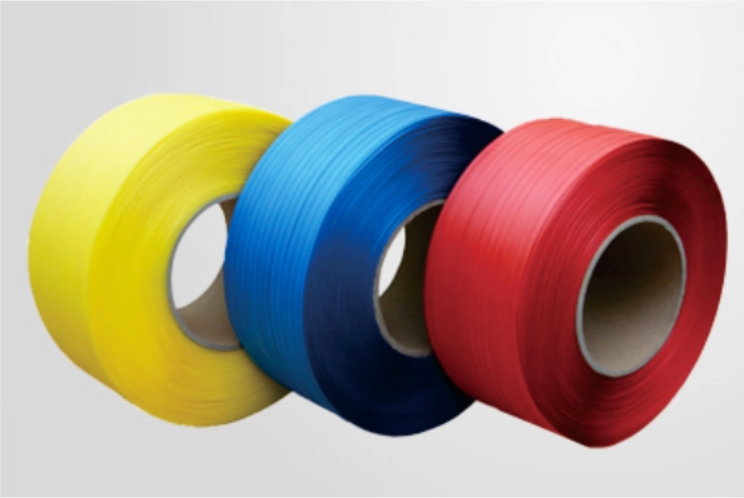
Color-coding systems make operations more efficient by making it easy to find loads and get directions on how to handle them. Natural (clear), black, blue, green, and red are all standard colors. Custom colors can be made for specific identification needs or to help with company branding.
Printed PP box strapping roll options can be used for specific identification needs, such as barcodes, logos, or text. Digital printing lets you print with variable data for more complex tracking methods. Things to think about when it comes to costs are setup fees and the minimum order quantity for custom printing.
Identification systems help with operations by reducing mistakes in dealing, better managing inventory, and better keeping track of quality. Integration with warehouse management tools can add value by letting you scan and keep track of things automatically.
Supplier Evaluation and Procurement Strategy: Ensuring Quality and Value
Quality Certification Standards and Testing Requirements
Quality certifications provide assurance of consistent performance and manufacturing standards. ISO 9001 certification indicates systematic quality management, while specific packaging standards demonstrate industry knowledge and compliance capabilities. These certifications reduce procurement risk and ensure reliable supply.
Testing protocols should encompass critical performance characteristics including tensile strength, elongation, and environmental resistance. Regular testing schedules ensure ongoing quality compliance while identifying potential issues before they impact operations. Suppliers should provide comprehensive test data and certification documents.
Third-party testing verification adds credibility to supplier claims while providing independent performance validation. Recognized testing laboratories offer standardized protocols ensuring accurate and comparable results across different suppliers and materials.
Supplier Assessment Criteria: Manufacturing Capabilities and Reliability
Manufacturing capabilities assessment ensures suppliers can meet current and future requirements. Production capacity, equipment sophistication, and quality control systems directly impact delivery reliability and product consistency. Site visits provide valuable insight into supplier capabilities and commitment to quality.
Financial stability and business longevity indicate supplier reliability for long-term partnerships. Established suppliers with strong financial positions offer reduced risk for critical applications requiring consistent supply. Reference checks with existing customers provide insight into actual performance and service quality.
Technical support capabilities become important for optimizing application performance and troubleshooting issues. Suppliers with strong technical teams can provide valuable assistance with material selection, equipment setup, and performance optimization.
Pricing Models: Understanding Bulk Wholesale vs. Spot Purchasing
Bulk purchasing typically provides significant cost advantages through economies of scale. Volume commitments may justify custom specifications or enhanced service levels while ensuring supply security. However, bulk purchases require adequate storage facilities and working capital allocation.
Spot purchasing offers flexibility for varying demand patterns or trial applications. While unit costs may be higher, reduced inventory investment and elimination of obsolescence risk provide offsetting benefits. Market timing considerations can occasionally provide cost advantages through favorable pricing cycles.
Contract negotiations should address pricing stability, delivery terms, and quality assurance. Long-term agreements may provide pricing security while volume commitments can justify enhanced service levels. Payment terms and conditions significantly impact total procurement costs.
Minimum Order Quantities and Inventory Management Strategies
Minimum order quantities (MOQs) impact procurement flexibility and inventory investment requirements. Standard products typically feature lower MOQs while custom specifications may require larger commitments. Balance between cost optimization and inventory investment requires careful analysis.
Inventory management strategies should consider demand variability, lead times, and storage costs. Just-in-time approaches minimize inventory investment but require reliable suppliers and accurate demand forecasting. Safety stock levels should account for supply disruptions and demand fluctuations.
Vendor-managed inventory programs transfer inventory responsibility to suppliers while ensuring adequate stock availability. These arrangements can reduce inventory investment and management costs while improving service levels. Service level agreements define performance expectations and responsibilities.
International Shipping and Logistics Considerations
International sourcing requires evaluation of total landed costs including transportation, duties, and logistics expenses. Container optimization and shipping consolidation opportunities can significantly impact overall costs. Lead time variability may necessitate increased safety stock levels.
Documentation requirements for international shipments include customs declarations, certificates of origin, and quality certifications. Supplier experience with export procedures reduces delays and complications. Freight forwarding capabilities and customs brokerage services streamline import processes.
Currency fluctuation risks require consideration in international sourcing decisions. Hedging strategies or contractual protection may be necessary for large volume commitments. Payment methods and terms impact both cost and risk considerations.
Implementation and Safety Guidelines: Maximizing Performance and Worker Protection
Installation Best Practices for Different Strapping Systems
Proper installation procedures ensure optimal equipment performance and operator safety. Automated systems require precise setup according to manufacturer specifications including tension settings, sealing parameters, and feed mechanisms. Regular calibration maintains consistent performance and prevents equipment damage.
Manual PP box strapping roll systems demand attention to ergonomic factors and safety procedures. Tool maintenance and proper technique training reduce operator fatigue and injury risk. Work station setup should minimize repetitive motion stress while maintaining productivity.
Quality control procedures during implementation identify potential issues before they impact operations. Initial performance monitoring and adjustment ensures systems operate within specifications while achieving target performance levels.
Safety Protocols and Worker Training Requirements
Comprehensive safety training covers proper handling techniques, equipment operation, and emergency procedures. PP strapping's inherent safety advantages over steel still require attention to proper procedures and personal protective equipment. Training programs should address both normal operations and exception handling.
Personal protective equipment requirements typically include safety glasses and appropriate gloves for manual operations. Automated systems may require additional safety devices including light curtains or emergency stops. Safety protocols should comply with applicable workplace safety regulations.
Emergency procedures address equipment malfunctions, material jams, and injury response. Clear communication protocols ensure rapid response to safety incidents while minimizing disruption to operations. Regular safety training reinforcement maintains awareness and compliance.
Troubleshooting Common Issues and Performance Optimization
Common performance issues include inconsistent sealing, strap breakage, and feeding problems. Systematic troubleshooting approaches identify root causes while minimizing downtime. Maintenance logs help track recurring issues and guide preventive maintenance schedules.
Performance optimization involves fine-tuning equipment settings for specific strap characteristics and application requirements. Regular monitoring of key performance indicators including seal strength, cycle time, and material consumption guides optimization efforts.
Technical support from suppliers provides valuable assistance with complex issues and performance optimization. Documented troubleshooting procedures and technical bulletins support efficient issue resolution while building internal expertise.
Maintenance Schedules and Equipment Care Guidelines
Preventive maintenance schedules ensure equipment reliability while minimizing unexpected downtime. Regular cleaning, lubrication, and component replacement according to manufacturer recommendations extends equipment life and maintains performance.
Spare parts inventory management ensures critical components remain available for timely maintenance. Predictive maintenance techniques including vibration analysis or thermal monitoring can identify potential issues before failure occurs.
Documentation requirements include maintenance logs, performance tracking, and cost analysis. This information guides equipment replacement decisions while identifying opportunities for performance improvement or cost reduction.
Conclusion
Successful polypropylene PP strapping procurement requires balancing performance requirements with cost considerations while ensuring reliable supply and consistent quality. Technical specifications must align with application demands, supplier capabilities should support long-term partnership success, and total cost analysis should encompass all ownership expenses. Implementation of proper selection criteria, quality standards, and performance monitoring ensures optimal results from PP strapping investments across diverse industrial applications.
FAQ
What is the typical tensile strength range for industrial PP strapping?
Industrial PP strapping typically offers break force ranges from 45-270kg, depending on width and thickness specifications. Light-duty applications generally require 45-90kg capacity, while heavy-duty uses demand 200-270kg performance. Specific requirements depend on load characteristics, safety factors, and application conditions.
How do I determine the right width and thickness for my specific application?
Width selection depends on load distribution requirements and package characteristics. Narrower widths (5-12mm) suit light loads and small packages, while wider options (15-19mm) provide better load distribution for heavy applications. Thickness ranges from 0.35-0.8mm, with thicker materials providing higher strength but reduced flexibility.
What are the key differences between manual and automatic PP strapping systems?
Automatic systems provide higher throughput rates, consistent tension, and reduced labor requirements but require significant capital investment and technical support. Manual systems offer flexibility and lower initial costs but may limit productivity in high-volume operations. Material requirements differ slightly between system types.
How does PP strapping perform in extreme temperature conditions?
Standard PP strapping performs reliably between -20°C to +80°C. Extreme temperature applications may require specialized formulations with enhanced additives. Cold temperatures may increase brittleness while high temperatures can affect tensile strength. Specific performance data should be verified for critical temperature applications.
What should I look for when evaluating PP strapping suppliers?
Key evaluation criteria include quality certifications (ISO 9001), manufacturing capabilities, technical support, and financial stability. Testing protocols, delivery reliability, and reference customers provide insight into actual performance. Pricing structure, minimum order quantities, and contract terms significantly impact total procurement value.
Partner with Jushuo Packaging for Superior Polypropylene Strapping Solutions
Jushuo Packaging delivers exceptional polypropylene PP strapping manufactured with advanced Italian screen changers and cold-drawing technology in our 15,000㎡ facility. Our decade-plus expertise ensures 99% pass rates while producing 20,000+ tons annually for global clients seeking reliable packaging solutions.
As a trusted polypropylene PP strapping manufacturer, we provide comprehensive technical consultation, custom specifications, and automated packaging line design services. Contact our experts at sales@jushuopackaging.com for sample evaluation and application-specific recommendations that optimize your packaging operations.
References
Smith, J.M. "Industrial Packaging Materials: Properties and Applications." Journal of Packaging Technology, 2023.
Anderson, K.R. "Comparative Analysis of Plastic Strapping Materials in Industrial Applications." Packaging Engineering Quarterly, 2022.
Thompson, L.A. "Quality Control Standards for Thermoplastic Strapping Products." International Packaging Standards Review, 2023.
Davis, M.C. "Cost-Benefit Analysis Framework for Industrial Packaging Material Selection." Supply Chain Management Journal, 2022.
Wilson, P.D. "Environmental Impact Assessment of Recyclable Packaging Materials." Sustainable Packaging Research, 2023.
Brown, R.S. "Equipment Optimization Strategies for Automated Strapping Systems." Manufacturing Efficiency Today, 2022.

 English
 العربية
 Français
 Русский
 Español
 Português
 Deutsch
 italiano
 日本語
日本語 한국어
한국어 Nederlands
 Tiếng Việt
 ไทย
ไทย Polski
 Türkçe
 አማርኛ
አማርኛ ພາສາລາວ
 ភាសាខ្មែរ
 Bahasa Melayu
 ဗမာစာ
ဗမာစာ தமிழ்
தமிழ் Filipino
 Bahasa Indonesia
 magyar
 Română
 Čeština
 Монгол
 қазақ
қазақ Српски
 हिन्दी
 فارسی
فارسی Kiswahili
 Slovenčina
 Slovenščina
 Norsk
Norsk Svenska
 українська
 Ελληνικά
 Suomi
Suomi Հայերեն
 עברית
עברית Latine
 Dansk
Dansk اردو
اردو Shqip
Shqip বাংলা
বাংলা Hrvatski
 Afrikaans
 Gaeilge
 Eesti keel
 Māori
Māori සිංහල
සිංහල नेपाली
 Oʻzbekcha
 latviešu
 অসমীয়া
 Aymara
 Azərbaycan dili
 Bamanankan
 Euskara
 Беларуская мова
 भोजपुरी
 Bosanski
 Български
 Català
 Cebuano
 Corsu
Corsu ދިވެހި
 डोग्रिड ने दी
 Esperanto
 Eʋegbe
 Frysk
Frysk Galego
 ქართული
 guarani
 ગુજરાતી
 Kreyòl ayisyen
 Hausa
Hausa ʻŌlelo Hawaiʻi
 Hmoob
Hmoob íslenska
 Igbo
Igbo Ilocano
 Basa Jawa
 ಕನ್ನಡ
ಕನ್ನಡ Kinyarwanda
 गोंगेन हें नांव
 Krio we dɛn kɔl Krio
 Kurdî
Kurdî Kurdî
Kurdî Кыргызча
 Lingala
 Lietuvių
 Oluganda
 Lëtzebuergesch
 Македонски
 मैथिली
 Malagasy
 മലയാളം
 Malti
Malti मराठी
मराठी ꯃꯦꯇꯥꯏ (ꯃꯅꯤꯄꯨꯔꯤ) ꯴.
 Mizo tawng
 Chichewa
 ଓଡ଼ିଆ
ଓଡ଼ିଆ Afaan Oromoo
 پښتو
پښتو ਪੰਜਾਬੀ
 Runasimi
 Gagana Samoa
 संस्कृत
 Gaelo Albannach
 Sepeti
 Sesotho
 chiShona
 سنڌي
سنڌي Soomaali
 Basa Sunda
 Wikang Tagalog
 Тоҷикӣ
 Татарча
 తెలుగు
 ትግንያውያን
 Xitsonga
 Türkmençe
 संस्कृत
 ئۇيغۇرچە
 Cymraeg
 isiXhosa
 ייִדיש
 Yorùbá
 isiZulu


