PET strap failures remain one of the most persistent challenges facing procurement managers and warehouse operations worldwide. Understanding why polyester strapping breaks, loosens, or degrades during critical packaging operations can mean the difference between successful shipments and costly product damage. These failures typically occur due to material incompatibility, improper tensioning, environmental exposure, or inadequate quality control measures. Identifying root causes early enables businesses to implement corrective actions that prevent disruptions, reduce operational costs, and maintain supply chain reliability across diverse industrial applications.
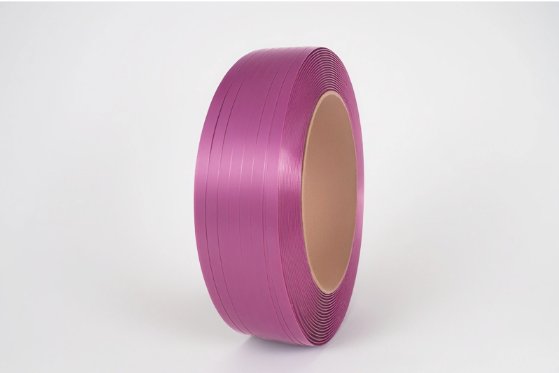
Understanding PET Strap Failures
Understanding PET strap failures requires evaluating both material performance and operational impact. Key parameters such as strength, thickness, and environmental resistance determine reliability, while failures can lead to product damage, supply chain disruptions, and increased operational costs for businesses.
Critical Performance Parameters
Modern PET strap specs directly relate to how well they work and how unlikely it is that they will break. Different packing needs can be met by widths ranging from 9 to 16 mm, and different strengths can be achieved by thicknesses ranging from 0.48 mm to 0.8 mm. With a break force range of 160 kg to 635 kg, it can be used for everything from bundling light cartons to securing big building materials.
The ability to withstand high temperatures is especially important in industry and farming where harsh conditions are common. When temperatures get high, heat resistance qualities make sure that the material keeps working properly, and UV protection keeps the material's structure when it's exposed to the sun for long periods of time.
Industry Impact Assessment
Strapping mistakes cause problems in the supply chain that have real-world financial effects on many operating areas. Damaged goods need to be replaced, packages that are late cost extra, and emergency fixes use up valuable workers. When choosing providers and setting quality standards, procurement teams need to think about these secret costs.
Root Causes of PET Strap Failure and Problem Analysis
Systematic research shows that most mistakes of polyester strapping are avoidable and have to do with choosing the right material, using it correctly, or taking care of the surroundings. By figuring out these underlying issues, procurement teams can put in place focused solutions that greatly lower the number of failures while also improving business efficiency.
Material Incompatibility Issues
When buying choices put lowering costs ahead of matching performance, load requirements often go beyond strap specs. To keep catastrophic fails from happening during handling or transport, it is important to do exact strength estimates on heavy building materials, dense farming bales, and consolidated manufacturing shipments.
The choice of width and thickness must match the characteristics of the load and the powers of the tensioning tools. Narrow straps focus stress forces, which raises the risk of breaking, and straps that aren't thick enough weaken the total tensile strength when loaded dynamically. For individual uses that need better performance factors, custom specifications are needed.
Tensioning and Application Problems
Many of the field problems that happen in industrial settings are caused by improper tensioning methods. Under-tensioning lets the load move around, which weakens the strap over time. Over-tensioning, on the other hand, builds up stress levels that are too high for the material and break it right away.
To get uniform results, people who use manual tensioning tools need to be trained, and automatic systems need to be calibrated on a daily basis to keep up with best practices. Battery-powered tensioning equipment is more consistent, but it needs to be maintained properly so that the applied forces don't slowly change.
Environmental Degradation Factors
Strapping PET materials are exposed to UV radiation when they are stored outside. This radiation breaks down polymer chains over time, making the straps less strong and more weak. Being exposed to moisture, especially in marine settings, can speed up the breakdown process and weaken seals at connection spots.
Temperature changing causes pressure on materials that make them wear out and shorten their useful life. Agricultural uses have especially tough conditions because of UV light, high temperatures, and chemical pollution from fertilizers or processing additives.
Comparing PET Strap Types and Alternatives to Prevent Failures
For strategic material selection, you need to know a lot about the different choices you have and how they work in different operating situations. Today's polyester binding technologies have better features that fix common failure modes while still being cost-effective for large-scale commercial uses.
Advanced PET Formulations
High-definition polyester types have better polymer structures that make them more resistant to stretching and pressure. The performance of these materials stays the same across a bigger range of temperatures, and they offer better UV protection for long-term outdoor use.
Additives in reinforced versions make them less likely to crack and increase their wear life when loaded and unloaded many times. These improved materials are especially useful in farming, where cotton bales are moved around a lot and stored for long periods of time.
Steel Strap Comparison Analysis
While steel strapping has the highest tensile strength for heavy loads, polyester strapping has clear benefits when it comes to safety, handling, and environmental performance. Steel straps can hurt you because the edges are sharp, and you need special tools to cut them. Polyester materials, on the other hand, are safe to handle without any safety gear.
Another important benefit is that it doesn't corrode, which is especially useful in sea shipping or the chemical industry, where steel degradation weakens keeping strength. Polyester options also work better when it comes to weight, which lowers total shipping costs while still providing enough security.
Performance Optimization Strategies
To choose the best strapping solutions, you need to carefully look at the load characteristics, the surroundings, and how well the strapping solutions work with other tools. Wider straps are better for heavy-duty uses because they spread forces over a bigger contact area. This lowers stress concentrations and makes the product more resistant to wear.
Color-coding systems make warehouses more efficient and let workers see the quality of the goods they are handling. Custom printing makes it possible to put tracking information directly on strapping materials, which speeds up processing while still following security rules.
Practical Solutions to Fix and Prevent PET Strap Failures
Modern production technologies have changed the way polyester strapping works by creating better quality control systems, processing polymers, and application tools. With these new technologies, buying teams can choose products that always work well and meet strict safety and environmental standards.
Material Quality Improvements
Modern PET strap rolls are made with improved cold-drawing techniques that improve the direction of molecules for better strength and elongation. Italian screen switch systems make sure that the quality of the melt stays the same and that there isn't too much contamination that could change the features of the material.
Quality control methods with 99% pass rates show that the manufacturing process is excellent, which directly affects how reliable the product is in the field. Comprehensive testing programs check the tensile strength, stretch, and resistance to the environment in normal settings that are like those found in real life.
Application Best Practices
Using the right installation methods has a big effect on how well and how rarely something breaks in the long run. Stable stacks and corner safety are needed for load preparation so that the straps don't get damaged during tensioning. Positioning plans need to take into account how the load behaves. For example, vertical strapping can be used to secure tall loads, and horizontal layouts can stop them from moving laterally.
How joints are sealed is a very important part of how strong and long-lasting they are. With controlled heat application, friction welding can make joints that are 75–80% efficient. For automatic application systems, heat sealing gives the strongest joints. Metal seals are easier to use by hand, but they are less efficient at joining materials, so they are best for lighter loads.
Supplier Partnership Development
Building strong ties with qualified makers guarantees consistent material quality and easy access to expert help. When suppliers offer full testing data, licensing paperwork, and application advice, customers can make smart decisions and get the best performance results.
Long-term supply contracts keep prices stable and give you priority access during times of high demand. Using volume purchasing strategies can save you money and keep your inventory levels high enough to keep multiple facilities running smoothly.
Maintenance, Recycling, and Environmental Considerations for PET Straps
As companies match their operations with environmental stewardship goals, sustainable packing practices become more important in the buying choices they make. When it comes to function, PET strap materials support circular economy ideas and efforts to reduce trash. They are also very easy to recycle.
Storage and Handling Protocols
The right way to store things can greatly increase their useful life and stop them from breaking down too quickly, which can cause problems in the field. Temperature and UV pollution can damage polymers over long periods of time. Climate-controlled settings protect against these problems.
Inventory rotation systems make sure that older materials are used first, and regular inspections keep quality standards high. Documentation systems keep track of how long things are stored and how much they are exposed to the environment so that usage schedules are optimized and damaged materials don't get into production processes.
Recycling and Sustainability
Polyester strapping materials can be recycled over and over again thanks to well-established networks for collection and reworking. Post-consumer recycling programs make closed-loop systems possible, which use less raw materials while still meeting the performance standards needed for industry uses.
The environmental effect studies show that this material has big benefits over steel alternatives when it comes to industrial energy use, transportation efficiency, and the need to get rid of waste at the end of its life. As sustainable numbers become more important in business evaluation criteria, these things affect buying choices more and more.
Circular Economy Integration
Modern recycling methods allow for multiple reprocessing processes without a big drop in function. Through closed-loop supply chain usage, these skills help companies with their environmental efforts while also lowering the costs of materials.
Biodegradable additives give you choices in situations where it's not possible to collect the materials. They are safe for the environment and don't affect the performance standards for operations. These new ideas meet the needs of more rules and regulations while keeping performance standards high in the industry.
Conclusion
To keep PET straps from breaking, you need to take a planned approach that includes choosing the right material, following best practices for application, and building partnerships with suppliers. When procurement teams know what the root reasons are, they can put in place focused solutions that get rid of common failure modes and improve business efficiency. Today's polyester binding technologies have better features that get around the problems of the past while also helping with environmental efforts and cutting costs. To make implementation work, there needs to be thorough training, quality control procedures, and ongoing cooperation between suppliers to make sure that results are the same across a wide range of industry uses.
FAQ
What causes PET straps to break during heavy load applications?
Failures under heavy loads are usually caused by tensile strength requirements that are too low, uneven load distribution, or too much tensioning force. Most breakages can be avoided by choosing the right width and thickness combinations and ensuring proper corner protection.
How do PET straps compare to steel straps in terms of durability and cost?
Polyester strapping is safer, more resistant to rust, and easier to handle than other types. It is also strong enough for most uses. When you look at the total cost of everything, including work, safety, and disposal, PET options often come out on top, even though they cost more at first.
What safety standards govern PET strap use in industrial shipping?
Transportation rules, workplace safety rules, and environmental security standards must all be followed by industrial apps. Certification paperwork from qualified makers makes sure that standards are met and lowers the risk of harm.
How can procurement teams prevent environmental degradation of stored strapping materials?
Climate-controlled storage, UV protection, and product rotation methods keep things from going bad too quickly. Deteriorated materials are found through regular inspection routines, before they get into production systems and cause problems in the field.
Partner with Jushuo Packaging for Reliable Strapping Solutions
Jushuo Packaging sells high-quality fabric strapping that is designed to be both effective in the workplace and good for the environment. Our advanced production plant uses precision cold-drawing techniques and Italian screen changer technology to make materials that pass 99% of tests and have great performance properties. With more than 20,000 tons of production every year, our 15,000㎡ manufacturing center supports global activities through stable supply chain partnerships. Get in touch with our technology experts at sales@jushuopackaging.com to talk about custom solutions and bulk buying options that will help your packaging processes run more smoothly. Experience the difference that skilled knowledge from a professional PET strap maker makes for tough industrial uses.
References
International Association of Packaging Professionals. "Polyester Strapping Performance Standards and Testing Protocols." Industrial Packaging Review, 2023.
American Society for Testing and Materials. "Standard Test Methods for Tensile Properties of Plastic Strapping Materials." ASTM International, 2022.
European Packaging Federation. "Environmental Impact Assessment of Polyester vs Steel Strapping Systems." Sustainable Packaging Journal, 2023.
National Institute of Occupational Safety and Health. "Safety Guidelines for Industrial Strapping Operations." Workplace Safety Publications, 2022.
Global Logistics Research Institute. "Economic Analysis of Strapping Material Selection in Supply Chain Operations." Transportation and Logistics Quarterly, 2023.
International Recycling Council. "Circular Economy Applications in Industrial Packaging Materials." Environmental Technology Review, 2022.

 English
 العربية
 Français
 Русский
 Español
 Português
 Deutsch
 italiano
 日本語
日本語 한국어
한국어 Nederlands
 Tiếng Việt
 ไทย
ไทย Polski
 Türkçe
 አማርኛ
አማርኛ ພາສາລາວ
 ភាសាខ្មែរ
 Bahasa Melayu
 ဗမာစာ
ဗမာစာ தமிழ்
தமிழ் Filipino
 Bahasa Indonesia
 magyar
 Română
 Čeština
 Монгол
 қазақ
қазақ Српски
 हिन्दी
 فارسی
فارسی Kiswahili
 Slovenčina
 Slovenščina
 Norsk
Norsk Svenska
 українська
 Ελληνικά
 Suomi
Suomi Հայերեն
 עברית
עברית Latine
 Dansk
Dansk اردو
اردو Shqip
Shqip বাংলা
বাংলা Hrvatski
 Afrikaans
 Gaeilge
 Eesti keel
 Māori
Māori සිංහල
සිංහල नेपाली
 Oʻzbekcha
 latviešu
 অসমীয়া
 Aymara
 Azərbaycan dili
 Bamanankan
 Euskara
 Беларуская мова
 भोजपुरी
 Bosanski
 Български
 Català
 Cebuano
 Corsu
Corsu ދިވެހި
 डोग्रिड ने दी
 Esperanto
 Eʋegbe
 Frysk
Frysk Galego
 ქართული
 guarani
 ગુજરાતી
 Kreyòl ayisyen
 Hausa
Hausa ʻŌlelo Hawaiʻi
 Hmoob
Hmoob íslenska
 Igbo
Igbo Ilocano
 Basa Jawa
 ಕನ್ನಡ
ಕನ್ನಡ Kinyarwanda
 गोंगेन हें नांव
 Krio we dɛn kɔl Krio
 Kurdî
Kurdî Kurdî
Kurdî Кыргызча
 Lingala
 Lietuvių
 Oluganda
 Lëtzebuergesch
 Македонски
 मैथिली
 Malagasy
 മലയാളം
 Malti
Malti मराठी
मराठी ꯃꯦꯇꯥꯏ (ꯃꯅꯤꯄꯨꯔꯤ) ꯴.
 Mizo tawng
 Chichewa
 ଓଡ଼ିଆ
ଓଡ଼ିଆ Afaan Oromoo
 پښتو
پښتو ਪੰਜਾਬੀ
 Runasimi
 Gagana Samoa
 संस्कृत
 Gaelo Albannach
 Sepeti
 Sesotho
 chiShona
 سنڌي
سنڌي Soomaali
 Basa Sunda
 Wikang Tagalog
 Тоҷикӣ
 Татарча
 తెలుగు
 ትግንያውያን
 Xitsonga
 Türkmençe
 संस्कृत
 ئۇيغۇرچە
 Cymraeg
 isiXhosa
 ייִדיש
 Yorùbá
 isiZulu


