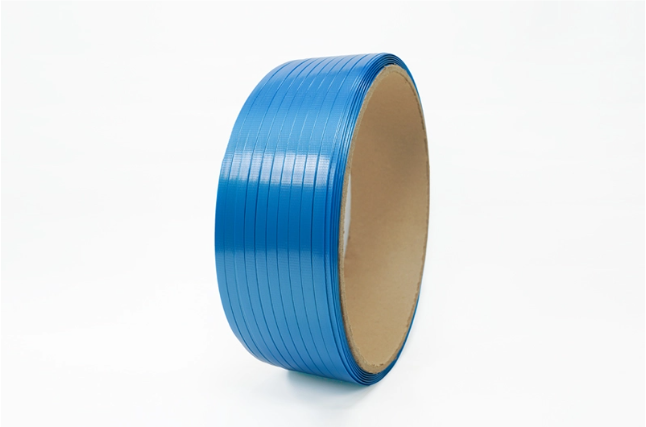
For small-scale cotton growers, every input cost matters. Traditional steel strapping may seem economical at first glance, but the total cost picture tells a different story. According to industry data, PET strap offers significantly lower total cost of ownership compared to steel, despite potentially higher upfront material costs . The reason: reduced labor requirements, no need for edge protection, safer handling, and lighter weight that cuts shipping costs.
PET strap (polyester strap) has become the preferred choice for cotton bale packaging across farm sizes. According to Cotton USA survey data, PET straps are rated as easier to remove, work with, and handle safely compared to wire ties, with 50% of respondents rating PET straps as advantageous for easy removal from cotton .
At Jushuo Packaging, we have worked with farms of all scales, and our data confirms that PET strap delivers better value for small operations through reduced labor requirements and improved worker safety.
1. Understanding Cotton Bale Strap Specifications
1.1 Basic Requirements for Small Farms
For small farm operations, standard PET strap specifications typically include:
Parameter
Typical Range
Why It Matters
Width
12–19mm
Load distribution across bale sides
Thickness
0.6–1.0mm
Break strength and durability
Break Force
600–1,000kg
Must handle bale compression
Surface Finish
Smooth
Standard for most applications
According to industry specifications, PET strap with 19mm width and 1.27mm thickness is commonly used for cotton bales, with break forces meeting standard requirements .
Export shipments: Higher break forces for international transport
Dense bales: Wider or thicker strap for additional strength
2. Cost-Saving Strategies
2.1 Total Cost of Ownership Analysis
Material price is only one part of the cost equation. According to cost analysis data, small farms can achieve significant savings by considering total cost of ownership:
Cost Factor
PET Strap
Steel Strapping
Material cost
Moderate
Lower
Labor required
Lower
Higher
Safety equipment
Minimal
Required
Edge protection
Often not needed
Required
Shipping weight
Light
Heavy
Total cost
Lower
Higher
According to wholesale procurement analysis, despite higher initial material costs, total ownership costs are lower for PET solutions due to reduced labor, elimination of edge protection needs, and safer handling .
2.2 Group Purchasing Opportunities
Small farms can leverage group purchasing to reduce costs. According to case study data, the Cedar Creek Cotton Cooperative, comprising 12 small farms totaling 1,840 acres, achieved 31% cost savings through coordinated purchasing of high-performance strapping materials . This approach also ensured consistent material quality across all member operations.
2.3 Optimize Order Timing
Price volatility affects strapping costs. According to market analysis, PET strapping costs tend to be more stable than steel alternatives, which fluctuate with global commodity markets . This stability helps small farms with seasonal cash flow plan their budgets more predictably.
3. Supplier Selection for Small Farms
3.1 What to Look For
When evaluating cotton bale strap suppliers, small farms should prioritize:
Flexible minimum order quantities: Avoid being locked into large orders
Technical support: Guidance on proper application
Quality consistency: Reliable performance across batches
Competitive pricing: Volume discounts for group purchases
Jushuo Packaging offers flexible MOQs and comprehensive technical support for small farm operations.
3.2 Questions to Ask Suppliers
Before committing to a supplier:
What is your minimum order quantity?
Can you provide samples for testing?
What quality control procedures do you follow?
Do you offer technical support for application?
4. Application Best Practices
4.1 Proper Tensioning
Correct tension is essential for bale security. According to Cotton USA survey data, ease of use and handling safety are key factors for cotton buyers, with 56% of respondents rating “easy to work with” as important . Proper tensioning tools help achieve consistent results while maintaining safety.
4.2 Storage Considerations
PET strap should be stored in a dry environment away from direct sunlight. According to storage guidelines, PET strapping maintains performance when stored in cool, dry conditions, with typical shelf life of up to two years under proper storage .
Summary
Small farms can find affordable cotton bale strap options by focusing on total cost of ownership rather than just material price. PET strap delivers superior value through reduced labor, safer handling, and elimination of edge protection requirements. Group purchasing and strategic supplier relationships help small operations achieve competitive pricing.
The key to cost-effective cotton bale strapping is selecting the right specification for your needs, choosing a supplier with flexible MOQs, and implementing proper application techniques. With PET strap, small farms can achieve professional-quality bale security at an affordable price.
Jushuo Packaging offers affordable cotton bale strap solutions with customizable specifications, documented quality assurance, and flexible order quantities suited to small farm operations. Our manufacturing capabilities—4 PET production lines with 20,000 tons annual capacity—ensure consistent quality at competitive prices. We support small farms through the selection and application process with practical guidance.
If you need assistance selecting affordable cotton bale strap for your farm, please send an email to sales@jushuopackaging.com, and our professional team will provide one-on-one support.
References
International Cotton Advisory Committee. “Cotton Bale Packaging Specifications and Guidelines.” ICAC.org, 2024.
Cotton Incorporated. “Bale Packaging Materials – Industry Standards and Best Practices.” CottonInc.com, 2023.
ASTM International. “ASTM D3950 – Standard Specification for Strapping, Flat Steel and Seals.” ASTM.org, 2021.
International Organization for Standardization. “ISO 9001:2015 – Quality Management Systems – Requirements.” ISO.org, 2015.
European Committee for Standardization. “EN 13394:2001 – Packaging – Strapping – Specifications for Polyester Strapping.” CEN.eu, 2001.
Brief: PET strap with smooth surface, commonly known as plastic steel strapping, is currently a new type of eco-friendly packaging material used worldwide to replace steel strapping & PP strapping.. ● Strong tensile strength, Low elongation, Strong heat resistance ● Good flexibility, Aesthetically pleasing & rust-free ● Width (mm): 9-25 ● Thickness (mm): 0.4-1.25 ● Break force (kg): 160-1360 ● Color, logo, printed characters customized accept ● Application: Cotton, wood, electronics, bricks, ceramics, building materials...
Brief: PET strap with smooth surface, commonly known as plastic steel strapping, is currently a new type of eco-friendly packaging material used worldwide to replace steel strapping & PP strapping.. ● Strong tensile strength, Low elongation, Strong heat resistance ● Good flexibility, Aesthetically pleasing & rust-free ● Width (mm): 9-25 ● Thickness (mm): 0.4-1.25 ● Break force (kg): 160-1360 ● Color, logo, printed characters customized accept ● Application: Cotton, wood, electronics, bricks, ceramics, building materials...
Brief: Trusted as a Manufacturer & Supplier, Jushuo Packaging offers high-strength PP strap built for demanding applications, featuring: ● Superior tensile force for heavy loads; ● Secure adhesion for joint integrity; ● Consistent, reliable quality; ● Robust performance under stress.
Jushuo Packaging is a OEM manufacturer of high-performance PP & PET straps, deliver zero-defect quality, 30- 50% cost savings vs steel, just-in-time delivery. Innovating for global industries with 10+ Yrs expertise.

 English
 العربية
 Français
 Русский
 Español
 Português
 Deutsch
 italiano
 日本語
日本語 한국어
한국어 Nederlands
 Tiếng Việt
 ไทย
ไทย Polski
 Türkçe
 አማርኛ
አማርኛ ພາສາລາວ
 ភាសាខ្មែរ
 Bahasa Melayu
 ဗမာစာ
ဗမာစာ தமிழ்
தமிழ் Filipino
 Bahasa Indonesia
 magyar
 Română
 Čeština
 Монгол
 қазақ
қазақ Српски
 हिन्दी
 فارسی
فارسی Kiswahili
 Slovenčina
 Slovenščina
 Norsk
Norsk Svenska
 українська
 Ελληνικά
 Suomi
Suomi Հայերեն
 עברית
עברית Latine
 Dansk
Dansk اردو
اردو Shqip
Shqip বাংলা
বাংলা Hrvatski
 Afrikaans
 Gaeilge
 Eesti keel
 Māori
Māori සිංහල
සිංහල नेपाली
 Oʻzbekcha
 latviešu
 অসমীয়া
 Aymara
 Azərbaycan dili
 Bamanankan
 Euskara
 Беларуская мова
 भोजपुरी
 Bosanski
 Български
 Català
 Cebuano
 Corsu
Corsu ދިވެހި
 डोग्रिड ने दी
 Esperanto
 Eʋegbe
 Frysk
Frysk Galego
 ქართული
 guarani
 ગુજરાતી
 Kreyòl ayisyen
 Hausa
Hausa ʻŌlelo Hawaiʻi
 Hmoob
Hmoob íslenska
 Igbo
Igbo Ilocano
 Basa Jawa
 ಕನ್ನಡ
ಕನ್ನಡ Kinyarwanda
 गोंगेन हें नांव
 Krio we dɛn kɔl Krio
 Kurdî
Kurdî Kurdî
Kurdî Кыргызча
 Lingala
 Lietuvių
 Oluganda
 Lëtzebuergesch
 Македонски
 मैथिली
 Malagasy
 മലയാളം
 Malti
Malti मराठी
मराठी ꯃꯦꯇꯥꯏ (ꯃꯅꯤꯄꯨꯔꯤ) ꯴.
 Mizo tawng
 Chichewa
 ଓଡ଼ିଆ
ଓଡ଼ିଆ Afaan Oromoo
 پښتو
پښتو ਪੰਜਾਬੀ
 Runasimi
 Gagana Samoa
 संस्कृत
 Gaelo Albannach
 Sepeti
 Sesotho
 chiShona
 سنڌي
سنڌي Soomaali
 Basa Sunda
 Wikang Tagalog
 Тоҷикӣ
 Татарча
 తెలుగు
 ትግንያውያን
 Xitsonga
 Türkmençe
 संस्कृत
 ئۇيغۇرچە
 Cymraeg
 isiXhosa
 ייִדיש
 Yorùbá
 isiZulu