Cotton bale strap is a huge step forward in farming packing, and it's used all over the world to keep cotton safe while it's being shipped and stored. The latest cotton bale straps, especially those made from PET, are very strong and good for the environment at the same time. These special bonding materials make sure that cotton bales stay together all the way through the supply chain, from the ginning facilities to the textile factories. It's very important to choose the right strapping because bad securing causes a lot of product loss, contamination risks, and higher handling costs that have a direct effect on how much money farming operations and transportation providers make.
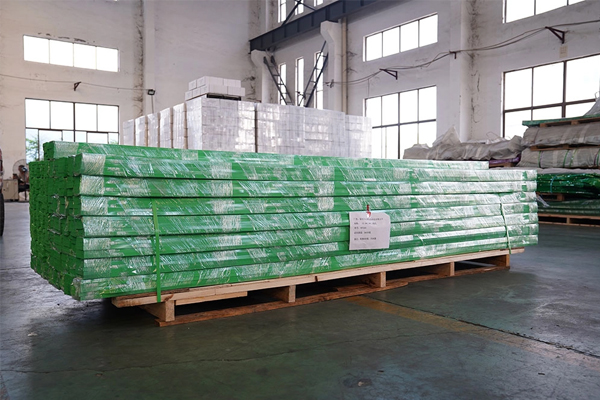
Understanding Cotton Bale Straps and Their Role in Cotton Packaging
For cotton bale packing, you need special strapping options that can handle the unique challenges of farm shipping. Standard tying methods that use steel or basic plastic don't always work well with cotton bales because they can weigh several hundred pounds and need to be constantly compressed while being moved.
Types of Cotton Bale Strapping Materials
Different types of strapping materials are used on modern cotton wrapping, and each has its own benefits for certain uses. PET cotton bale straps have become the standard in the business and are used instead of steel strapping in many situations. These high-tech straps have a high tensile strength and a break force range of 180 to 1360 kg, so they can fit a variety of bale sizes and weights.
The switch from traditional materials to PET strapping is a big step forward in the technology of packing. However, unlike steel strapping, which can be dangerous and rusty, PET straps stay strong in a wide range of weather conditions. The natural flexibility of the material protects the cotton fibers from damage and ensures safe wrapping during the distribution process.
Specifications and Technical Requirements
To meet industry standards, professional cotton bale strapping needs to be made to exact technical specs. The width is usually between 9 and 25 millimeters, and the thickness is usually between 0.4 and 1.25 millimeters. These measurements make it possible to change things to fit the needs of the business, whether it's working with normal cotton bales or custom export packaging.
Good PET strapping doesn't stretch easily, so bales stay in their compressed shape while they're being moved. This feature is necessary to make shipping as efficient as possible and keep loose cotton from making handling difficult. Strong heat protection lets them work reliably in a wide range of climates, from hot warehouses to shipping containers that keep things at a certain temperature.
Premium cotton bale straps are different from cheaper options because they are more flexible. Because it is flexible, the strapping can mold to the shape of the bale while keeping the same strain. The nice look and non-rusting quality of PET strapping also help with professional presentation. This is especially important for export operations where the way a product looks affects how buyers see it.
Key Benefits of Using Cotton Bale Straps in Packaging
Using the right cotton bale strapping has benefits that go far beyond just keeping things in place. All along the cotton supply chain, these perks have a direct effect on how well operations run, how costs are managed, and how environmentally friendly the whole thing is.
Superior Durability and Performance Characteristics
When used in tough situations, high-quality cotton bale strapping works really well. Because PET ties have a high tensile strength, they can hold things securely and better than other options. Because they last longer, packages don't break as often, which means less product loss and lower repair costs, which can have a big effect on profit margins.
Environmental resistance makes sure that the product works the same way in all kinds of storage and travel circumstances. UV resistance keeps the strap from breaking down when it's stored outside, and moisture resistance keeps it intact in damp places. In farming settings, where controlled storage conditions might not always be possible, these traits are especially useful.
Premium strapping materials don't stretch easily, so they keep the bales compressed throughout the distribution process. This stability makes dealing easier and makes sure that the quality of the cotton stays the same from the time it is packed until it is delivered. Less elongation also means less re-strapping is needed during long holding times, which cuts down on running costs.
Environmental and Economic Advantages
Compared to old steel alternatives, modern PET cotton bale strapping is much better for the earth. Because PET materials can be recycled, they are in line with environmental goals that are becoming more important to farming businesses and their buyers. This concern for the environment often affects buying choices, especially for businesses that sell to environmentally conscious markets.
Economic benefits include lower prices for materials, lighter shipping, and less money spent on waste. PET strapping is a lot lighter than steel strapping, which lowers the cost of shipping while keeping the same level of security. Because the material doesn't rust, you don't have to pay to repair damaged parts. This is especially useful for processes that take place near water or in humid places.
Another important benefit of switching to PET binding methods is that they make things safer. Getting rid of sharp steel edges lowers the risk of injuries to workers, which could lower insurance costs and make workplace safety records better. These safety improvements help boost the mood of workers and lower the risk of lawsuits for farming businesses.
How to Choose the Right Cotton Bale Strap for Your Procurement Needs?
It is important to carefully think about operating needs, environmental factors, and cost when choosing the right cotton baling strap. When making a purchase choice, you should weigh the short-term costs against the long-term benefits in performance and the total costs of ownership.
Load Capacity and Strength Requirements
Accurately measuring bale weights and handling pressures is the first step in figuring out the right load capacity. Cotton bales usually weigh between 400 and 800 pounds, so they need strapping with the right break force ratings to keep them safe while they're being shipped. The break force requirements should be higher than the expected loads, with enough safety gaps to account for changes in stress levels during travel.
Tensile strength needs change depending on the type of packing and how it is handled. Automatic binding machines may need certain strengths to make sure that the material can be used consistently and doesn't break. When attaching things by hand, different strength-to-flexibility ratios might be more important to make sure the right way of installing them is done.
Environmental stress factors need to be taken into account when figuring out strength. Changes in temperature, humidity, and UV light can all affect how well a strap works over time. Good PET binding keeps working well in all of these different environments, but following the right specifications will get the best results in certain working situations.
Customization Options and Compatibility
Modern cotton bale strapping can be changed in a lot of ways to improve brand recall and operating efficiency. Different types of cotton or steps of processing can be easily identified by their colors, which speeds up the sorting and handling process. Logo printing and unique symbols help with tracking and make the brand more visible throughout the supply chain.
Customizing the width and thickness lets you get the best results for your tools and operations. For automatic strapping tools to work properly, the dimensions may need to be very exact. On the other hand, different width-to-thickness ratios may make manual applications easier to handle. Custom size also lets you get the most out of your materials, which cuts down on waste while keeping the performance traits you need.
Compatibility with current tools is one of the most important things to think about when buying something. For deployment to go smoothly, it needs to be confirmed that the chosen strapping materials work with the current packing equipment. This compatibility goes beyond just meeting basic size standards. It also includes features of the material that affect processes like feeding, tensioning, and sealing.
Best Practices for Using and Tying Cotton Bale Straps Effectively
Using the right application methods will get the most out of your strapping while reducing waste and operating problems. Knowing the right way to do things makes sure that results are always the same and that packages don't fail during release.
Installation Techniques and Safety Procedures
For cotton bale strapping to work, both the cotton bales and the strapping materials need to be properly prepared. Before strapping, bales should be squished to the right density levels. This keeps the form consistent and gets rid of any extra material that could get in the way of strap placement. It is important to store the strapping material in the right way so that it keeps its flexibility and easy handling.
Positioning techniques have a big effect on how well straps work and how well bales stay together. Strategic placement spreads the compression forces equally across the cotton mass, stopping stress builds up in one area that could cause the bale to deform or the strap to break. How many straps are needed depends on the size and weight of the bales as well as the handling loads that are expected during distribution.
To get the best results without putting too much stress on the strapping material or cotton contents, tensioning processes need to be done with great care. The right strain keeps the bale compressed while still letting the natural material settle during shipping. Too much strain can break a strap right away or cause stress concentrations that cause fails later on while it is being handled.
Common Mistakes and Prevention Strategies
One of the most common mistakes made when cotton bale tying is over-tensioning. Too much strain can push a material past its limits, either breaking it right away or making weak spots that break under the stress of shipping. Knowing the right tension levels for different strap materials and bag features can stop these problems and make sure the straps work properly.
When the sizes are wrong, it makes operations harder and binding less effective. Straps that are too short might need too much force to close, and straps that are too big might waste material and not compress well enough. Accurately measuring the size of the bale and choosing the right length of straps improves both efficiency and material use.
If the environment isn't protected well enough, cotton PET straps may not work as well after being stored for a long time. Over time, UV light, high temperatures, and water can break down strapping materials. These degradation problems can be avoided by following the right storage methods and choosing materials that are resistant to the environment. This will also ensure that the materials continue to work as expected during the storage time.
Procuring Cotton Bale Straps: What B2B Buyers Should Know
To be good at buying, you need to know what your suppliers can do, how the market works, and the quality control steps that make sure your products are delivered and work well. Strategic methods to buying things can have a big effect on running costs and the stability of the supply chain.
Supplier Evaluation and Quality Assurance
When looking at possible suppliers, you need to look at their manufacturing skills, quality control methods, and expert help resources. Established companies that specialize in agricultural packing usually offer more reliable goods and better expert support. Quality management systems and certifications for manufacturing facilities show that they are committed to consistently high-quality products and methods for ongoing growth.
Thinking about production ability makes sure that suppliers can meet volume needs and keep shipping dates. Because seasonal changes in demand for cotton packaging mean that providers need to have enough capacity and know how to handle their inventory. Supply problems can be avoided during busy cotton harvesting times by knowing when suppliers' production cycles are and making purchases around them.
Quality control methods should make sure that the strapping that is provided meets the performance requirements that have been set. Tensile strength tests, elongation tests, and tests of environmental protection prove what the material can do. Quality audits and performance tracking done on a regular basis make sure that operating requirements and industry standards are always being met.
Bulk Purchase Strategies and Cost Optimization
Buying in bulk can cut costs per unit by a lot while still making sure there are enough items in stock to meet practical needs. By understanding minimum order amounts and bulk price structures, you can get the best deals on when and how much to buy. Planning purchases around yearly patterns of demand gets you the best volume deals and the least amount of storage space.
Lead time management stops supply problems before they happen and lowers the cost of emergency purchases. Knowing when your suppliers will be making things and keeping the right amount of safety stock on hand will help your business keep running during times of high demand. With long-term supply agreements, prices can stay stable and products will always be available during key operating times.
With custom ordering options, you can get the best strapping specs for your individual needs. Color coding, writing logos, and customizing dimensions can make operations run more smoothly and possibly save money by cutting out extra steps of processing. Working closely with providers to create unique solutions can often give you a competitive edge and help your business run better.
Conclusion
Cotton PET strap is an important part of modern agriculture packaging that has a direct effect on the quality of the products, the ease of operations, and the economy. Switching to more modern PET strapping materials has many benefits over older ones, such as higher strength, better resistance to weather damage, and better safety. Using the right methods for selection, application, and purchase can help you get the most out of these benefits while keeping costs and operational issues to a minimum. Quality cotton bale strapping solutions will continue to be important for successful cotton packing and delivery operations as the farming industry moves toward more environmentally friendly and cost-effective methods.
FAQ
What makes PET cotton bale straps superior to traditional steel strapping?
PET cotton bale straps are better than steel options in many ways. They don't rust, they're safer because they don't have any sharp edges, and they're more flexible, which keeps cotton fibers from getting damaged. The high tensile strength and low stretch make it possible to secure things just as well while lowering the weight of the package and making it safer to handle.
How do I determine the appropriate strap width and thickness for my cotton bales?
Which strap to use varies on the weight, size, and handling needs of the bale. Wider straps with higher break force values are usually needed for heavier bales, while narrower options can be used for normal cotton bales. It comes in widths from 9 to 25 millimeters and thicknesses from 0.4 to 1.25 millimeters, so it can be changed to fit different operating needs.
Can cotton bale straps be customized with logos or colors for identification purposes?
Yes, current PET cotton bale straps can be changed in a lot of ways, such as by choosing a different color or printing a brand or unique characters. These features make it easier to track, make sorting easier, and make the brand visible throughout the supply chain while keeping all performance characteristics.
What are the environmental benefits of using PET cotton bale straps?
PET cotton bale straps can be recycled and are good for the earth, which helps with sustainability efforts that are important for modern farming. PET materials don't rust or make it hard to get rid of, unlike steel strapping. Plus, because they're lighter, they lower carbon emissions caused by shipping.
How should cotton bale straps be stored to maintain optimal performance?
When you store straps correctly, you keep them safe from direct UV light, high temperatures, and water buildup. Flexible and tensile strength properties are kept when stored indoors at moderate temperatures. Avoiding long-term exposure to harsh weather conditions guarantees consistent performance over the expected usage times.
Partner with Jushuo Packaging for Premium Cotton Bale Strapping Solutions
With more than ten years of experience in agricultural packing solutions, Jushuo Packaging is a trusted manufacturer of high-strength cotton bale strap. Our cutting-edge 15,000㎡ production facility, advanced PET and PP strapping lines, strict quality control with over 99% pass rate, and strong customization capability ensure stable supply and consistent performance for demanding cotton logistics. Contact us at sales@jushuopackaging.com to discuss bulk orders, specifications, or tailored packaging solutions.
References
Agricultural Packaging Standards and Guidelines for Cotton Bale Securing. American Cotton Growers Association Technical Manual, 2023.
Comparative Analysis of Strapping Materials in Agricultural Applications. Journal of Agricultural Engineering and Packaging Technology, Volume 45, 2023.
Environmental Impact Assessment of Packaging Materials in Cotton Processing. Sustainable Agriculture Quarterly Review, Issue 3, 2022.
Safety Standards for Agricultural Packaging and Material Handling Equipment. Occupational Safety in Agriculture Guidelines, 2023.
Economic Analysis of Cotton Bale Packaging Methods and Cost Optimization Strategies. Agricultural Business Economics Journal, Volume 28, 2022.
Technical Specifications and Performance Requirements for Cotton Bale Strapping Systems. International Cotton Packaging Standards Consortium, 2023.

 English
 العربية
 Français
 Русский
 Español
 Português
 Deutsch
 italiano
 日本語
日本語 한국어
한국어 Nederlands
 Tiếng Việt
 ไทย
ไทย Polski
 Türkçe
 አማርኛ
አማርኛ ພາສາລາວ
 ភាសាខ្មែរ
 Bahasa Melayu
 ဗမာစာ
ဗမာစာ தமிழ்
தமிழ் Filipino
 Bahasa Indonesia
 magyar
 Română
 Čeština
 Монгол
 қазақ
қазақ Српски
 हिन्दी
 فارسی
فارسی Kiswahili
 Slovenčina
 Slovenščina
 Norsk
Norsk Svenska
 українська
 Ελληνικά
 Suomi
Suomi Հայերեն
 עברית
עברית Latine
 Dansk
Dansk اردو
اردو Shqip
Shqip বাংলা
বাংলা Hrvatski
 Afrikaans
 Gaeilge
 Eesti keel
 Māori
Māori සිංහල
සිංහල नेपाली
 Oʻzbekcha
 latviešu
 অসমীয়া
 Aymara
 Azərbaycan dili
 Bamanankan
 Euskara
 Беларуская мова
 भोजपुरी
 Bosanski
 Български
 Català
 Cebuano
 Corsu
Corsu ދިވެހި
 डोग्रिड ने दी
 Esperanto
 Eʋegbe
 Frysk
Frysk Galego
 ქართული
 guarani
 ગુજરાતી
 Kreyòl ayisyen
 Hausa
Hausa ʻŌlelo Hawaiʻi
 Hmoob
Hmoob íslenska
 Igbo
Igbo Ilocano
 Basa Jawa
 ಕನ್ನಡ
ಕನ್ನಡ Kinyarwanda
 गोंगेन हें नांव
 Krio we dɛn kɔl Krio
 Kurdî
Kurdî Kurdî
Kurdî Кыргызча
 Lingala
 Lietuvių
 Oluganda
 Lëtzebuergesch
 Македонски
 मैथिली
 Malagasy
 മലയാളം
 Malti
Malti मराठी
मराठी ꯃꯦꯇꯥꯏ (ꯃꯅꯤꯄꯨꯔꯤ) ꯴.
 Mizo tawng
 Chichewa
 ଓଡ଼ିଆ
ଓଡ଼ିଆ Afaan Oromoo
 پښتو
پښتو ਪੰਜਾਬੀ
 Runasimi
 Gagana Samoa
 संस्कृत
 Gaelo Albannach
 Sepeti
 Sesotho
 chiShona
 سنڌي
سنڌي Soomaali
 Basa Sunda
 Wikang Tagalog
 Тоҷикӣ
 Татарча
 తెలుగు
 ትግንያውያን
 Xitsonga
 Türkmençe
 संस्कृत
 ئۇيغۇرچە
 Cymraeg
 isiXhosa
 ייִדיש
 Yorùbá
 isiZulu


