PP strap raw material consists primarily of polypropylene, a lightweight thermoplastic polymer derived from propylene monomers. This versatile material undergoes polymerization to create the polymer chains that give polypropylene strapping its characteristic strength, flexibility, and chemical resistance. The quality and grade of polypropylene directly influence the final strap's performance characteristics, including tensile strength, elongation properties, and environmental resistance, making raw material selection crucial for packaging applications.
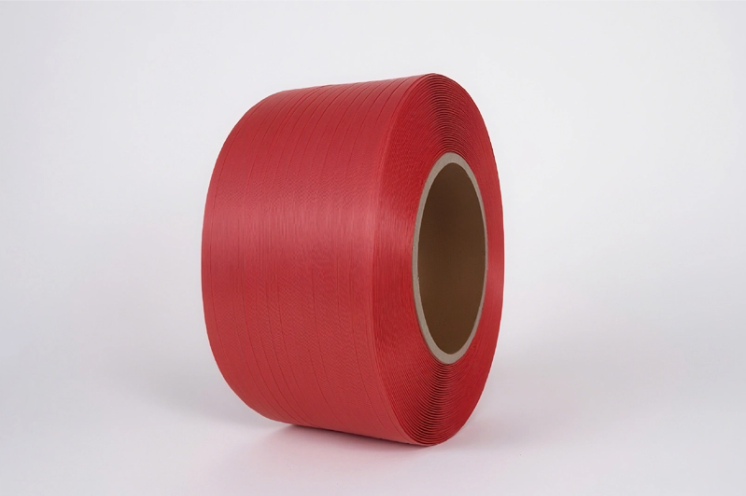
Understanding PP Straps and Their Raw Material
Companies that ship and make things often use plastic bands to package things these days. In many business settings, you can use these strapping materials to keep packages closed, goods bundled, and palletized loads safe. The parts that go into making a good plastic strap are carefully chosen. When it's done, they decide how well it works.
The Core Composition of Polypropylene
PP strap bands are mostly made of polypropylene, which is cheap, strong, and flexible. To make it, propylene monomers are put through a controlled polymerization process that makes them into long fiber-like strings. But these chains can be bent so they can work with automatic binding tools. They are strong enough to hold weight.
Polypropylene is useful in many ways because of the way its chemicals are structured. It is great for binding. It's not easy for the substance to mix with acids, bases, and chemical solvents that are common in factories. Polyester also doesn't wear down easily and doesn't crack under stress, so it will work well during the shipping and packing process.
Types of Polypropylene Used in Strap Production
Straps are mostly made from homopolymers and copolymers, which are two major types of polypropylene. This kind of polypropylene is harder and more crystalline because it is made up of only propylene units. This kind is the best if you need something that can hold the most weight and not spread out too much when it's under a lot of stress.
Copolymer polypropylene adds small amounts of ethylene or other monomers to the polymer chain to make it longer. This makes the stuff stronger when it gets hit and more flexible when it's cold. This mix works great when the strap needs to be able to bend around sharp corners or handle a range of temperatures without breaking.
Raw Material Quality Standards and Specifications
The end strapping works well and efficiently based on the quality of the polyethylene that was used to make it. Some of the best polypropylene has few flaws and a steady melt flow. It also has a steady molecular weight distribution. When the straps are made, these parts make sure that the extrusion is always the same and that each roll has the same mechanical properties.
Making things usually needs polypropylene with a certain melt flow index number so that people can do their jobs well. It's also important that the raw material is very clean so that it doesn't get dirty and weaken the chemical structure or leave holes in the finished strap. Some tests are done to check the quality. These tests find the tensile strength, the elongation at break, and the temperature stability factors.
The Manufacturing Process of PP Straps: From Raw Material to Finished Product
Polypropylene pellets are used in a complicated way that makes the most of the pure qualities of the material to make high-performance binding. Buyers who understand this process can better see how the quality of the raw materials affects how well and regularly the finished product works.
Extrusion and Initial Formation
In extruders that work at temperatures between 200°C and 240°C, polypropylene pieces are melted. This is the first step in making something. The liquid polymer is put through molds that were made just for it to make the first shape of the polypropylene strapping roll. How well the polypropylene works can be seen by how easily it melts and how stable the temperature is at this point.
These days, companies use Italian screen switches and high-tech filter systems to clean the liquid polymer stream of any impurities that are still there. When you clean it this way, the quality stays the same, and there are no weak spots on the strap that would make it less useful in tough situations.
Cooling and Orientation Process
With great care, the new strap is cooled in water tubs to make the polymer structure stiff. The rate at which the item cools has a big impact on how hard and soft it makes it. Crystals become more flexible when they cool down slowly. On the other hand, they become stronger against tension stress when they cool down fast.
First, the cold strap is carefully stretched so that the polymer chains line up with the stress direction. This step is very important. The tensile strength is much higher and the stretch strength is much lower because of the direction of the chemicals. How well the PP strap works in the end depends on how much it is stretched and how it is kept cool while it is being stretched.
Quality Control and Testing Protocols
Companies today have full quality control tools that keep an eye on the raw materials throughout the whole process of making something. Automatic test tools always look at the straps' width, thickness, tensile strength, and ability to fold to make sure they meet the standards.
As part of procedures for quality control, different groups of raw materials are checked before they are used, and the final product is checked more than once. This set of steps helps make sure that automatic tying equipment can work well with lots of different kinds of tools and in lots of different ways.
Comparing PP Straps with Other Strapping Materials: Material and Performance Insights
It is important to think about the qualities of the raw material and how they affect how well it works when choosing the right binding material. There's no doubt that polypropylene straps are better than other types of straps. This means they can be used when the job calls for them and their qualities fit.
Polypropylene vs. Steel Strapping
Things that need to stay put should be strapped with steel because it doesn't stretch as much as other materials. When it comes to many uses, polypropylene straps are better because they are more useful because of the way they are made.
Never use steel strapping in places that are wet or have strong chemicals on them. Instead, use plastic. It doesn't rust or get dirty. People can work with polypropylene by hand for longer periods of time without getting tired because it is light. Steel tips are dangerous because they are too sharp and could hurt you if they break. But plastic straps don't have those flaws.
Performance Comparison with Polyester Strapping
Polyester (PET) strapping is stronger than polypropylene binding when it comes to pulling apart. It is very stable under long-term loads because polyester holds its shape well. PVC, on the other hand, is better for places where there will be shocks or dynamic loads because it can be bent and doesn't break easily when hit.
When used on a big scale, polypropylene doesn't need to be the best material, so it saves a lot of money not having to pay more for polyester options. One more good thing about polypropylene is that it stays stiff even after being stretched many times.
Application-Specific Material Selection
There are different kinds of straps used for different jobs. Polypropylene is thin enough, strong enough, and cheap enough that it can be used to package things that are light to medium weight. This stuff can handle chemicals, which makes it great for packing food, making drugs, and working in places that handle chemicals.
Polyester or steel may be worth the extra cost if you need to keep things as tight as possible for heavy-duty uses. When you add up the costs of the material, the tools you need, and running the business, the right kind of plastic pp strap roll works great for many businesses and costs a lot less.
Environmental and Cost Considerations Related to PP Strap Raw Materials
It's more important than ever to buy cheap, eco-friendly raw materials these days. Businesses that want to meet both economic and social goals should choose polypropylene. It is good for the earth and its prices change all the time.
Sustainability and Recyclability Factors
It's easy to recycle polypropylene plastic, which is good for the packaging business and the circular economy. The raw material can be used over and over again without losing many of its mechanical qualities because it is flexible. Paper wrapping is better for the earth because it can be reused, and programs that collect it save people money.
New advances in recycled plastic technology have made it possible for companies to use a lot of recovered post-consumer and post-industrial plastic without changing how well the straps work. Recycling polypropylene can now be done in new ways that make sure it meets the high quality standards needed for tough strapping jobs.
Raw Material Cost Dynamics
The cost of polypropylene raw materials changes with the price of oil, the way the supply chain works, and changes in demand around the world. When people who work in sourcing know these things, they can better plan what to buy and make better deals for goods that will last. Polypropylene doesn't change prices as much as steel and rayon do. Now that you know how much things will cost, you can make better plans.
People who buy in bulk and deal with the same sellers for a long time can save money and make sure they always have the things they need. Many businesses offer deals and fixed price plans to customers who buy a lot of their goods. This helps those customers feel safe about their costs.
Life Cycle Assessment Considerations
Plastic wrapping that is better for the environment is often better for keeping the environment safe over the whole life of a product. When a strap is light, it takes less force to move it than when it is heavy. Reusing things is even better for the environment because it works so well and doesn't use much power.
PP strap options made from polypropylene help companies that care about the environment reduce the damage that packing does while still meeting the standards needed to protect goods and keep loads safe.
How to Choose the Right PP Strap Raw Material for Your Business Needs?
To choose the best polypropylene strapping, you should carefully think about the raw materials, the knowledge of the seller, and why you are buying. With this method, you can be sure that the material you choose is both the cheapest and has the right properties for safe use.
Technical Specifications and Performance Criteria
Setting clear efficiency standards based on the type of work, the environment, and the program's limits is the first step in the review process. Some of the most important things to think about are the minimum tensile strength, the maximum extension that can be allowed, the resistance to changes in temperature, and the chemical interaction rules. You can choose the right types of polypropylene and ways to make them based on these details.
The width and thickness rules need to be in line with what the binding tools can do and how the weight needs to be distributed. Assorted lengths and widths range from 5 mm to 19 mm and 0.35 mm to 0.8 mm to meet a wide range of needs. It's versatile and can be used for a lot of different tasks. It can be used to wrap light boxes or heavy-duty pallets.
Supplier Evaluation and Quality Assurance
When choosing a seller, you should think about how well they can make things, how they make sure the quality is good, and how they offer expert help. Firms you can trust keep test rooms and quality control methods to make sure their products always work well. Technical support and application help are very helpful for companies that are setting up new binding systems or making the ones they already have work better.
Facilities that have permits and follow quality management systems show that they are reliable and committed to quality. High-tech tools like extrusion systems and screen switches made in Italy show that the service provider cares about quality and consistency.
Customization Options and Value-Added Services
Companies that make PP strap bands now let customers change a lot of things about their goods. This helps the business run more smoothly and makes the brand more well known. The use of color makes it easy to keep track of where the things come from and make sure they are of good quality. It's possible to write your name, details about the product, and ways to track it right on the strapping material.
Companies can get the most out of the strapping they buy with the help of tech support services that do things like study on applications and make tools better. For things to go smoothly and with few problems during setup and use, the staff is trained and expert help is available all the time.
Conclusion
People who work in shipping and packing should know what PP strap bands are made of and how they're made. Polypropylene is a strong, cheap, and eco-friendly plastic that can be bent. So, it's a great choice for many jobs that need to be tied. It's important to choose the types and specs that work best for your business and work with suppliers who can always give you good products and full help from experts.
FAQ
What type of polypropylene is best for automatic strapping machines?
Copolymer polypropylene is the best material for automatic binding tools most of the time because it is more bendable and can handle being hit at different temperatures. When the material is put through fast automatic processes, this mix makes it less likely that it will break easily. Plus, it can hold its shape well enough for most uses.
How does recycled polypropylene content affect strap quality?
Polypropylene that has been repaired will keep its good quality if you clean and treat it the right way. Most of the time, reusing 30 to 50 percent of good material doesn't change how it works. It just saves money and is better for the environment.
What is the difference between homopolymer and copolymer polypropylene for strapping?
Because homopolymer polypropylene is harder and can hold more weight, it can be used for jobs that need to move heavy things. When the temperature is low, copolymers are better at being able to bend and take hits. They are great for tools that work by themselves and places where the weather changes a lot.
Partner with Jushuo Packaging for Superior PP Strap Solutions
Plastic ties that work well have been made by Jushuo Packaging for companies all over the world for more than ten years. We use exact cold-drawing and high-tech Italian screen changes in our 15,000 ㎡ workshop to make sure the quality is always the same and the work is done as quickly as possible. We have strict quality control and make more than 20,000 tons of PP strap every year. About 99% of them pass. In other words, you can trust our PP strap choices and not have many issues after the sale. Send us an email at sales@jushuopackaging.com to talk about your needs and find out why working with a PP strap seller you can trust to do a great job is a good idea.
References
Throne, James L. "Thermoplastic Processing: Properties and Applications of Polypropylene Polymers." Hanser Publications, 2019.
Karger-Kocsis, József. "Polypropylene: Structure, Properties and Applications in Packaging Materials." Springer Materials Science, 2020.
Zhang, Wei and Chen, Lu. "Advanced Manufacturing Techniques for Polymer Strapping Materials." Journal of Packaging Technology, Vol. 45, 2021.
Industrial Packaging Research Institute. "Comparative Analysis of Thermoplastic Strapping Materials: Performance and Sustainability Metrics." Annual Technical Report, 2022.
Roberts, Michael and Thompson, Sarah. "Raw Material Quality Control in Polypropylene Processing: Best Practices for Manufacturing Excellence." Polymer Processing Quarterly, 2023.
European Packaging Materials Association. "Environmental Impact Assessment of Polypropylene Strapping: Life Cycle Analysis and Recycling Opportunities." Technical Bulletin 127, 2023.

 English
 العربية
 Français
 Русский
 Español
 Português
 Deutsch
 italiano
 日本語
日本語 한국어
한국어 Nederlands
 Tiếng Việt
 ไทย
ไทย Polski
 Türkçe
 አማርኛ
አማርኛ ພາສາລາວ
 ភាសាខ្មែរ
 Bahasa Melayu
 ဗမာစာ
ဗမာစာ தமிழ்
தமிழ் Filipino
 Bahasa Indonesia
 magyar
 Română
 Čeština
 Монгол
 қазақ
қазақ Српски
 हिन्दी
 فارسی
فارسی Kiswahili
 Slovenčina
 Slovenščina
 Norsk
Norsk Svenska
 українська
 Ελληνικά
 Suomi
Suomi Հայերեն
 עברית
עברית Latine
 Dansk
Dansk اردو
اردو Shqip
Shqip বাংলা
বাংলা Hrvatski
 Afrikaans
 Gaeilge
 Eesti keel
 Māori
Māori සිංහල
සිංහල नेपाली
 Oʻzbekcha
 latviešu
 অসমীয়া
 Aymara
 Azərbaycan dili
 Bamanankan
 Euskara
 Беларуская мова
 भोजपुरी
 Bosanski
 Български
 Català
 Cebuano
 Corsu
Corsu ދިވެހި
 डोग्रिड ने दी
 Esperanto
 Eʋegbe
 Frysk
Frysk Galego
 ქართული
 guarani
 ગુજરાતી
 Kreyòl ayisyen
 Hausa
Hausa ʻŌlelo Hawaiʻi
 Hmoob
Hmoob íslenska
 Igbo
Igbo Ilocano
 Basa Jawa
 ಕನ್ನಡ
ಕನ್ನಡ Kinyarwanda
 गोंगेन हें नांव
 Krio we dɛn kɔl Krio
 Kurdî
Kurdî Kurdî
Kurdî Кыргызча
 Lingala
 Lietuvių
 Oluganda
 Lëtzebuergesch
 Македонски
 मैथिली
 Malagasy
 മലയാളം
 Malti
Malti मराठी
मराठी ꯃꯦꯇꯥꯏ (ꯃꯅꯤꯄꯨꯔꯤ) ꯴.
 Mizo tawng
 Chichewa
 ଓଡ଼ିଆ
ଓଡ଼ିଆ Afaan Oromoo
 پښتو
پښتو ਪੰਜਾਬੀ
 Runasimi
 Gagana Samoa
 संस्कृत
 Gaelo Albannach
 Sepeti
 Sesotho
 chiShona
 سنڌي
سنڌي Soomaali
 Basa Sunda
 Wikang Tagalog
 Тоҷикӣ
 Татарча
 తెలుగు
 ትግንያውያን
 Xitsonga
 Türkmençe
 संस्कृत
 ئۇيغۇرچە
 Cymraeg
 isiXhosa
 ייִדיש
 Yorùbá
 isiZulu


