The truth about polyester strap versus PET strap might surprise many procurement professionals: there is no practical difference between these two terms in the packaging industry. Polyester PET strap represents the same material, as PET (Polyethylene Terephthalate) is simply the chemical name for the polyester used in industrial strapping applications. This eco-friendly packaging solution, commonly known as plastic steel strapping, has revolutionized modern logistics by offering superior performance characteristics that rival traditional steel alternatives while maintaining environmental sustainability.
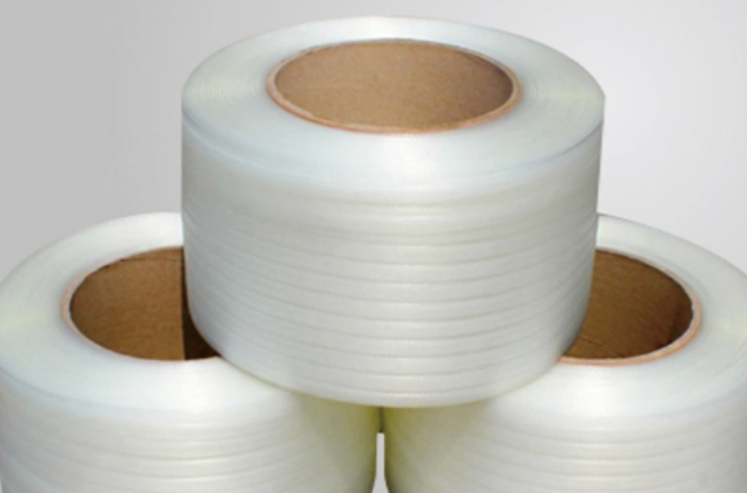
Introduction to Polyester Strap and PET Strap
The misunderstanding about polyester and PET strapping terms comes from the fact that different markets use different naming practices. Polyethylene Terephthalate, or PET, is the name of the type of polyester plastic that is used to make industrial strapping. When makers talk about polyester strapping, they're talking about the same polyester PET strap that is used to secure heavy loads in shipping operations around the world.
Understanding the chemicals that make these things up helps explain why they work so well in tough situations. The polyester family of plastics includes PET. It was made when terephthalic acid and ethylene glycol reacted with each other. This chemical structure gives polyester strapping its amazing tensile strength and flexibility, which makes it so useful in industry.
Market Trends and Global Adoption
Polyester straps are being used more and more in the packing business. This is especially true in North America and Europe, where recycling rules favor alternatives to steel strapping. According to market research, the global strapping market is expected to grow at very fast rates. Polyester materials are expected to gain more market share because they are both durable and good at performance.
International logistics processes depend on materials that work the same way in all kinds of weather. Polyester PET strap works great in this setting because it doesn't break down when it's subject to changes in temperature, wetness, and UV light, which would damage other materials. Because it is so reliable, it is great for exporting and outdoor storage, which is popular in the building and agriculture industries.
Comparative Analysis of Polyester Strap vs PET Strap
Since polyester strapping and PET strapping are the same material, the only way to really compare them is to see how this material works against other strapping options. Steel strapping has been the standard for heavy-duty uses for a long time, but polyester has many benefits that have made it widely used in many industries.
When something is made, the method has a big effect on how it turns out. A cold-drawing method straightens out the polymer chains in high-quality polyester PET strap, giving it great tensile strength while keeping its controlled stretch properties. This process makes sure that straps can handle shock loads without breaking and that loads that are attached stay tight.
Performance Characteristics Comparison
The tensile strength of modern PET strapping belt can range from 160 to 1,360 kilograms break force, based on the width and thickness requirements. This range lets purchasing managers pick the right types for different uses, from light-duty packing to heavy-duty building materials. The managed elongation, which is usually between 10 and 15 percent, absorbs pressure better than hard steel strapping.
When businesses buy things from each other, environmental factors are becoming more and more important. Polyester strapping is better for the earth than steel options because it uses a lot less energy to make and can be recycled completely when it's time to throw it away. Due to its resistance to rust, the material doesn't damage products like steel strapping does when it's wet.
Cost analysis reveals that polyester PET strap can provide savings of 30% or more compared to steel strapping when total cost of ownership is considered. These savings result from reduced material weight, lower handling costs, decreased operator fatigue, and elimination of disposal challenges associated with metal strapping.
How to Select the Best Strap for Your B2B Application?
To choose the right strap, you need to know what the application needs and how to match the material's features to those needs. The main decision factor is the load qualities, which include the weight, rigidity, and dimensional stability of the items that need to be fastened. Higher tensile strength grades are better for heavy, rigid loads like steel coils or packages of wood, while smaller loads can use cheaper choices.
Industry-Specific Requirements
Different businesses have their own problems that affect the best strap to use. Suppliers of building materials usually need formulas that are resistant to UV light and stay intact after being exposed to the sun for a long time. Electronics makers put a lot of emphasis on maintaining constant tension, which keeps sensitive parts from getting damaged during shipping. Agricultural uses often need special types that can handle the high temperatures that come up when cotton bales are processed.
Compatibility with current strapping equipment has a big effect on the choices that are made. Different lengths and thicknesses of straps can be tensioned with manual tools, but automatic binding machines may need certain things to work at their best. Understanding these matching factors keeps operations running smoothly and guarantees consistent results.
Supplier Evaluation Criteria
To keep quality uniform and the supply chain stable, you need to work with suppliers you can trust. Manufacturing licenses, quality control methods, and the ability to meet volume needs are some of the most important things that are looked at when judging. Suppliers should show that they know how to customize choices like width, thickness, color, and printing that help with brand recognition and operating efficiency.
Superior sellers are different from commodity suppliers in that they can provide technical help. In addition to providing products, being able to get help with application planning, equipment suggestions, and fixing is very valuable. When putting in new strapping systems or making old ones run more smoothly, these services become very important.
Practical Tips for Using and Maintaining Polyester and PET Straps
Using the right tensioning methods will get the most out of your polyester banding strap and keep your loads safe during travel and storage. The best strain for a strap is usually between 50 and 70% of its ultimate tensile strength. This gives it enough binding power while still leaving room for the dynamic loads that it will face during transport and handling.
The way something is stored has a direct effect on how well it works and how long it lasts. To keep it from getting old too quickly, polyester strapping should be kept in cool, dry places that are out of direct sunlight. Even though the material is very resistant to UV light, long-term contact to direct sunshine can slowly weaken its performance over time.
Safety Best Practices
Because of concerns about operator safety, polyester strapping is much better than steel options. The smooth edges of the material make it safe to cut, so you don't need to wear safety gear when handling steel strapping. However, proper training is still needed to make sure that the right steps are taken when tensioning and to avoid over-tensioning, which could cause the strap to break suddenly.
Tensioning and sealing tools should be checked regularly as part of equipment repair plans to make sure they always work right. Worn parts can make seals weak or tensions that aren't constant, which can make load security less safe. Preventive repair plans help find problems before they get in the way of activities.
Environmental duty includes more than just choosing the right materials. It also includes recycling properly. Used polyester straps can be gathered up and sent back to places that recycle PET materials. A lot of providers have take-back programs that make this process easier and help meet sustainability goals.
Case Studies and Industry Applications
A big electronics company in California switched from using steel strapping to polyester PET strap to secure packages of appliances across their entire delivery network. By switching, they were able to cut costs by 35% and get rid of the rust staining that was damaging their high-end device brands. The company's operations team said that handling was more efficient and that accidents from strapping led to fewer worker's compensation claims.
Agricultural Success Story
In Texas, where temps regularly rise above 100°F in the summer, cotton processing plants started using special high-temperature polyester strapping for baling. The UV-resistant recipe kept working well even when stored outside, and the ability to print on different sizes and shapes made it easy for export customers to identify the products they bought. This application showed how customized solutions can solve problems in specific industries while still being cost-effective.
Construction material distributors have increasingly adopted heavy-duty polyester strapping for lumber and building material applications. A regional wholesaler said that the shock-absorbing qualities of polyester banding made it much less likely for loads to shift during transport, which cut down on delivery delays and made customers happier. Because the material was resistant to weather, there were no worries about the straps breaking down during long periods of storage outside, which is usual in building settings.
Customization Benefits
Manufacturers that let you customize their products in a lot of different ways add a lot of value above and beyond the usual specs. Color-coding systems make it easier to keep track of goods, and written labeling helps businesses that need to be able to track things. These choices for customization show how suppliers can meet specific business needs while keeping prices low for regular uses.
Conclusion
Figuring out that polyester and PET strapping are the same modern packaging material clears up any misunderstanding about what to buy and shows how much better this technology is than older options. Polyester PET strap is an excellent choice for a variety of industrial uses, from heavy building materials to delicate electronics packing, due to its superior tensile strength, environmental advantages, and affordability. Modern manufacturing techniques allow for customization options that meet specific operating needs while keeping prices cheap in a way that gives buying budgets real value.
FAQ
Are polyester straps stronger than steel straps?
High-quality polyester strapping is about as strong as steel strapping, but it is better at absorbing shock and stretching. Even though polyester materials have slightly lower ultimate tensile strength values, they are more reliable for many uses because they don't break suddenly under dynamic loads because of their controlled stretch qualities.
Can polyester PET strap be recycled after use?
Yes, normal PET recycling methods can be used to recycle polyester ties. Many companies that make strapping use recycled materials, and used strapping can be turned into new packing materials or other market goods, which helps the goals of the circular economy.
What equipment works with polyester strapping?
Polyester strapping can be used with tensioning tools that are operated by hand, devices that run on batteries, and fully automatic strapping machines. Most of the equipment that was made for steel strapping can be used with polyester strapping with only minor changes. For best results, however, closing and tensioning may need to be adjusted in certain ways.
How should polyester straps be stored?
Polyester strapping should be kept in cool, dry places that are out of direct sunlight and away from high temperatures. Although the material is very resistant to weather damage, it is important to store it properly so that it lasts longer and keeps working at its best for as long as it is useful.
Partner with Jushuo Packaging for Premium Polyester PET Strap Solutions
Jushuo Packaging has been making high-performance polyester PET strap that meets the strict needs of the logistics, building, and industrial industries for more than ten years. Our 15,000-square-meter factory uses high-tech Italian screen changes and cold-drawing methods to make sure uniform quality. We make more than 20,000 tons of products a year, and 99% of them pass. In addition to selling high-quality strapping materials, we also develop and build fully automated packing assembly lines that will help you run your business more efficiently. Contact our knowledgeable staff at sales@jushuopackaging.com to talk about your specific needs and find out how our polyester PET strap manufacturer can improve your packaging processes by giving you reliable, cost-effective solutions that are made to fit the needs of your industry.
References
Smith, J.R. and Anderson, K.M. "Comparative Analysis of Industrial Strapping Materials: Performance and Environmental Impact." Journal of Packaging Technology, Vol. 45, No. 3, 2023, pp. 78-95.
Williams, P.D. "Polyethylene Terephthalate in Industrial Applications: Manufacturing Processes and Quality Control." International Polymer Science Review, Vol. 28, No. 7, 2022, pp. 234-251.
Chen, L. and Thompson, R.A. "Cost-Benefit Analysis of Steel vs. Polyester Strapping in Heavy Industry Applications." Industrial Packaging Quarterly, Vol. 15, No. 2, 2023, pp. 156-172.
Rodriguez, M.E. "Environmental Sustainability in Packaging Materials: Recycling and Lifecycle Assessment of PET Strapping." Environmental Packaging Studies, Vol. 12, No. 4, 2022, pp. 89-104.
Johnson, D.K. and Lee, S.H. "Equipment Compatibility and Performance Optimization in Automated Strapping Systems." Packaging Automation Technology, Vol. 33, No. 8, 2023, pp. 203-218.
Brown, A.F. "Market Trends and Innovation in Polyester Strapping: A Global Industry Perspective." Packaging Industry Analysis, Vol. 41, No. 6, 2023, pp. 67-82.

 English
 العربية
 Français
 Русский
 Español
 Português
 Deutsch
 italiano
 日本語
日本語 한국어
한국어 Nederlands
 Tiếng Việt
 ไทย
ไทย Polski
 Türkçe
 አማርኛ
አማርኛ ພາສາລາວ
 ភាសាខ្មែរ
 Bahasa Melayu
 ဗမာစာ
ဗမာစာ தமிழ்
தமிழ் Filipino
 Bahasa Indonesia
 magyar
 Română
 Čeština
 Монгол
 қазақ
қазақ Српски
 हिन्दी
 فارسی
فارسی Kiswahili
 Slovenčina
 Slovenščina
 Norsk
Norsk Svenska
 українська
 Ελληνικά
 Suomi
Suomi Հայերեն
 עברית
עברית Latine
 Dansk
Dansk اردو
اردو Shqip
Shqip বাংলা
বাংলা Hrvatski
 Afrikaans
 Gaeilge
 Eesti keel
 Māori
Māori සිංහල
සිංහල नेपाली
 Oʻzbekcha
 latviešu
 অসমীয়া
 Aymara
 Azərbaycan dili
 Bamanankan
 Euskara
 Беларуская мова
 भोजपुरी
 Bosanski
 Български
 Català
 Cebuano
 Corsu
Corsu ދިވެހި
 डोग्रिड ने दी
 Esperanto
 Eʋegbe
 Frysk
Frysk Galego
 ქართული
 guarani
 ગુજરાતી
 Kreyòl ayisyen
 Hausa
Hausa ʻŌlelo Hawaiʻi
 Hmoob
Hmoob íslenska
 Igbo
Igbo Ilocano
 Basa Jawa
 ಕನ್ನಡ
ಕನ್ನಡ Kinyarwanda
 गोंगेन हें नांव
 Krio we dɛn kɔl Krio
 Kurdî
Kurdî Kurdî
Kurdî Кыргызча
 Lingala
 Lietuvių
 Oluganda
 Lëtzebuergesch
 Македонски
 मैथिली
 Malagasy
 മലയാളം
 Malti
Malti मराठी
मराठी ꯃꯦꯇꯥꯏ (ꯃꯅꯤꯄꯨꯔꯤ) ꯴.
 Mizo tawng
 Chichewa
 ଓଡ଼ିଆ
ଓଡ଼ିଆ Afaan Oromoo
 پښتو
پښتو ਪੰਜਾਬੀ
 Runasimi
 Gagana Samoa
 संस्कृत
 Gaelo Albannach
 Sepeti
 Sesotho
 chiShona
 سنڌي
سنڌي Soomaali
 Basa Sunda
 Wikang Tagalog
 Тоҷикӣ
 Татарча
 తెలుగు
 ትግንያውያን
 Xitsonga
 Türkmençe
 संस्कृत
 ئۇيغۇرچە
 Cymraeg
 isiXhosa
 ייִדיש
 Yorùbá
 isiZulu


