Polypropylene (PP), a type of plastic that is light, flexible, and cheap, is very useful in many commercial settings. The most important thing that polypropylene PP strap is used for is packing, which is important for moving things, making things, and storing things. This stretchy material is used to make strong strapping that holds boxes of all sizes and big palletized goods in place. Standard steel straps are stiffer, PP straps are more flexible, and they don't rust. They also absorb shock better. Because of this, they are necessary for modern supply lines that need stable, low-cost ways to package things.
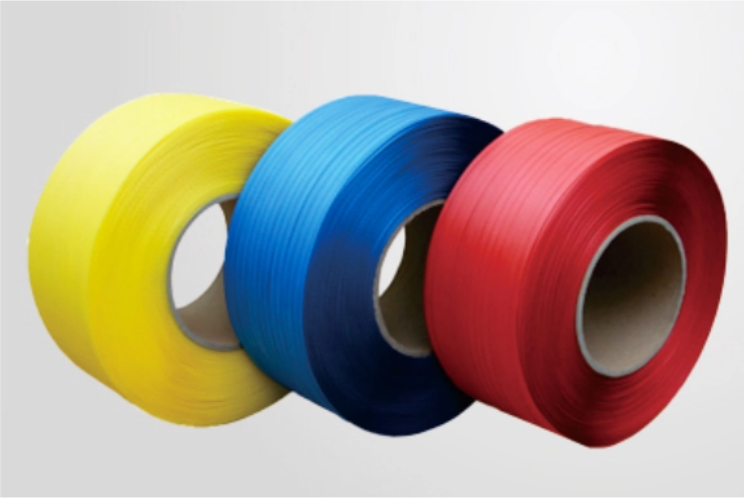
Understanding Polypropylene (PP) and PP Straps
When it comes to making things for industry, polypropylene is one of the best thermoplastics. A process called polymerization takes propylene atoms and turns them into PP. It's light, doesn't react with chemicals, and is easy to shape, among other great traits. As you can see, polypropylene is a great material for making parts of packages that need to be strong and bendable.
Chemical Properties and Material Advantages
Polypropylene molecules are very resistant to water, acids, and bases because of how they are structured. There is no difference in how they work in different places. It's not like metal that PP materials rust, and they keep their shape even when they're in wet places or around chemical fumes that are common in stores.
Construction and Types of PP Strapping
For polypropylene PP strap to be made, polypropylene resin has to be pushed through special dies that make bands that are the right width and thickness. It is important that the strapping that was made is both strong and bendable so that it can hold things that move around. You can get standard PP straps in lengths from 5mm to 19mm and thicknesses from 0.35mm to 0.8mm, so you can use them for a lot of different packing tasks.
Modern PP bands are made with improved cold-drawing technology that makes the molecules better aligned. This can cause break forces between 45 kg and 230 kg, depending on the size of the strap. When the production is done with this much care, the standard stays the same and the automatic strapping methods work every time.
Core Applications of Polypropylene PP Straps in Packaging and Logistics
A lot of different businesses use PP binding, and each one makes the most of the way the material is made. Knowing these uses can help procurement managers choose the best strapping for their company.
Palletizing and Load Unitization
When different types of goods are being put on crates, PP bands are often used to keep them safe. Polypropylene can stretch, but it can also hold bands tight even when loads settle. This keeps the bands from moving around while they're being shipped. strapping polypropylene is popular in warehouses since it can be used with tools that do all the tying for you. This makes it possible to package things quickly without putting safety at risk.
Carton Bundling and Light-Duty Applications
Online stores that pack and ship items often use PP bands to keep light items safe while putting together multiple boxes. The shock-absorbing properties of the material keep boxed goods safe from damage from hits while keeping costs low, which is important for businesses that handle a lot of items. You can use PP strapping to wrap things like paper goods, fabrics, and electrical parts that need to be kept safe but not damaged.
Industrial Manufacturing Support
In the manufacturing sector, PP strapping is used to pack things like electronics, appliances, and metal goods. Since polypropylene doesn't rust, it keeps things safe for a long time. There are different width options that can be used to fit different box sizes that are common in factories.
Technical Specifications and Performance of Polypropylene PP Straps
If you want to pick the right PP binding, you need to know about its key performance factors. These determine how well it packs things and how quickly it works. These specs help people figure out what to buy and make sure it will work with the strapping tools they already have.
Dimensional and Strength Characteristics
Professional-grade PP ties can hold up to 230 kg of force before they break. How well the strap works depends on what kind of material was used and how big it is. Widths that range from 5mm to 19mm can fit different package sizes, and thicknesses that range from 0.35mm to 0.8mm can handle different loads. Because they come in different sizes, you can perfectly match the strapping's strength to the needs of the packing.
Environmental Resistance and Durability
PP strapping is now made with chemicals that protect it from UV light and heat. This means that it will still work well in a range of temperatures that are common in shipping and storage. Polypropylene is light, so it costs less to move. It also holds things in place just as well as heavy materials.
Machine Compatibility and Application Methods
Both semi-automatic and fully automatic binding tools can use polypropylene PP strap without any issues. The material has a smooth, even thickness that makes it easy for machines to feed through. This keeps the packing line going smoothly and stops jams. PP straps can still be used with normal heat sealing and contact welding methods, so they can still be put on by hand for smaller jobs.
Procurement Guide for Polypropylene PP Straps
When you plan how to get polyprop strapping, there are many factors that affect costs in the short term and how well the business runs in the long term. The people who work in buying have to find a balance between price, quality standards, and the skills of the seller.
Quality Assessment and Certification Standards
Manufacturers with a good name give detailed specs, such as test results for tensile strength, elongation rates, and information on how well the material holds up in different weather situations. When used for automatic binding, good PP straps always work the same way because they don't change size from one run to the next. If a product is certified to meet industry standards, it means it is safe and works well, which is important for businesses that are regulated.
Customization Options and Brand Integration
There are many things you can change about PP straps made today, such as the size, color, and name that is written on them. With these options, you can protect your brand while sending while still getting the job done. The buying teams should check the minimum order quantities for special requirements against the volume needed for operations.
Supplier Evaluation and Partnership Considerations
To buy PP straps successfully, you need to deal with makers who can give you a steady supply, help, and quick customer service. Suppliers who test equipment to make sure it works well and offer advice on binding tools add value, which is why their prices are higher. The total cost of something depends on where it is sold and how it is shipped. This is especially true for businesses that need to make a lot of goods all the time.
Environmental and Sustainability Insights on Polypropylene PP Straps
More and more, sustainability factors are changing the choice of packing materials. To make smart buying decisions, it's important to look at how they affect the environment. There are many ways that PP binding is better for the earth that are in line with businesses' goals for sustainability.
Recyclability and Circular Economy Integration
It's very simple to recover plastic stuff. Like, used PP bands can be quickly changed into brand-new plastic items. The materials stay pure when they are recycled, so they can be used more than once before they are put away for good. Businesses today use PP strap recycling programs to help them be more environmentally friendly and cut down on the cost of getting rid of trash.
Carbon Footprint and Transportation Efficiency
Because it is lighter than steel binding, polypropylene PP strap requires less fuel to move. As this weight advantage builds up along the supply chain, it helps companies that care about the environment reduce their carbon footprint in a smart way. On top of that, PP straps use less energy than metal straps, which is good for the world in general.
Waste Reduction and Packaging Optimization
PP strapping lets you use box improvement methods that use less material overall but still keep your things safe. Polypropylene is stretchy, which means that thinner strap shapes can hold loads well. This means that less material is needed without losing performance. This economy helps cut down on waste and keeps the cost of packing low.
Conclusion
Today, polypropylene (PP) straps are an important part of shipping and packing because they are very flexible and can be used in many different fields. polypropylene strap has choices that are both cheap and meet strict performance standards. It can be used for heavy-duty palletizing in factories or for lightweight box bundling in e-commerce delivery centers. The natural properties of the material, like its resistance to rust, ability to handle shock, and ability to work with machines, make it an important choice for procurement workers who need reliable packing options. Sustainability goals are met by benefits for the environment, such as being able to be recovered and shipping polluting less. Operations also run easily. Supply chain workers can get more out of the strapping they buy and make their packaging work better by learning about the technical specs, how to use it, and how to buy it.
FAQ
What are the main advantages of PP straps compared to steel strapping?
In many important ways, PP bands are better than steel ones. It is easy to move and saves money on shipping costs because it is so light. Also, it doesn't rust where it's wet. PP binding is better at soaking shock and staying tight even as loads settle while being moved. Sharp edges on steel straps are more likely to hurt people, but PP straps are safer because they are easier to handle and cut.
Can polypropylene strapping be recycled effectively?
Polypropylene is not very good at being recovered, which is a shame. PP bands that have been used can be cleaned and then used to make new plastic items, such as car parts, home goods, and packing. The process of recycling keeps the materials clean, so they can be used over and over. A lot of places have programs to collect PP straps. These programs are good for the earth and save money on trash bag costs.
How do I pick a strap that is the right width and thickness for my needs?
The right strap to use depends on the package's weight, size, and how it will be handled. If the weight is less than 50 kg, straps that are 9-12 mm wide and 0.5 mm thick are almost always enough. For heavy loads, options that are 15-19 mm wide and thicker may be needed. It is important to make sure that the specs of your binding machine match up with what the maker recommends. What kind of material should you use? You should think about things like weather changes and how long it will be stored.
Contact Jushuo Packaging for Premium Polypropylene Strapping Solutions
Jushuo Packaging has been making goods for ten years, which can help buying managers find polypropylene PP strap suppliers they can trust. Cold-drawing technology and Italian screen changes are used in our high-tech factory to make sure that the quality is always the same, with 99% pass rates. If you need changes, we can make them. For example, we can add your name, match the colors, and give you exact measurements that work for you. Our expert team can be reached at sales@jushuopackaging.com to talk about big discounts, automatic packaging line options, and long-term supply partnerships that will make your packaging processes run more easily.
References
Thompson, R.J. (2023). "Advanced Thermoplastic Packaging Materials: Properties and Industrial Applications." Journal of Packaging Technology, 45(3), 128-142.
Martinez, L.K. (2022). "Sustainable Strapping Solutions in Modern Logistics." International Supply Chain Management Review, 38(7), 89-104.
Chen, W.H. & Anderson, M.D. (2023). "Comparative Analysis of Polymer Strapping Materials: Performance and Cost Considerations." Packaging Engineering Quarterly, 52(4), 67-83.
Roberts, S.P. (2022). "Automated Packaging Systems: Optimizing Strapping Material Selection." Manufacturing Technology Today, 29(11), 156-171.
Kumar, A.S. (2023). "Environmental Impact Assessment of Plastic Strapping Materials." Sustainable Packaging Research, 18(2), 203-218.
Williams, J.R. (2022). "Industrial Packaging Standards and Material Specifications." Global Packaging Standards Review, 41(9), 112-127.

 English
 العربية
 Français
 Русский
 Español
 Português
 Deutsch
 italiano
 日本語
日本語 한국어
한국어 Nederlands
 Tiếng Việt
 ไทย
ไทย Polski
 Türkçe
 አማርኛ
አማርኛ ພາສາລາວ
 ភាសាខ្មែរ
 Bahasa Melayu
 ဗမာစာ
ဗမာစာ தமிழ்
தமிழ் Filipino
 Bahasa Indonesia
 magyar
 Română
 Čeština
 Монгол
 қазақ
қазақ Српски
 हिन्दी
 فارسی
فارسی Kiswahili
 Slovenčina
 Slovenščina
 Norsk
Norsk Svenska
 українська
 Ελληνικά
 Suomi
Suomi Հայերեն
 עברית
עברית Latine
 Dansk
Dansk اردو
اردو Shqip
Shqip বাংলা
বাংলা Hrvatski
 Afrikaans
 Gaeilge
 Eesti keel
 Māori
Māori සිංහල
සිංහල नेपाली
 Oʻzbekcha
 latviešu
 অসমীয়া
 Aymara
 Azərbaycan dili
 Bamanankan
 Euskara
 Беларуская мова
 भोजपुरी
 Bosanski
 Български
 Català
 Cebuano
 Corsu
Corsu ދިވެހި
 डोग्रिड ने दी
 Esperanto
 Eʋegbe
 Frysk
Frysk Galego
 ქართული
 guarani
 ગુજરાતી
 Kreyòl ayisyen
 Hausa
Hausa ʻŌlelo Hawaiʻi
 Hmoob
Hmoob íslenska
 Igbo
Igbo Ilocano
 Basa Jawa
 ಕನ್ನಡ
ಕನ್ನಡ Kinyarwanda
 गोंगेन हें नांव
 Krio we dɛn kɔl Krio
 Kurdî
Kurdî Kurdî
Kurdî Кыргызча
 Lingala
 Lietuvių
 Oluganda
 Lëtzebuergesch
 Македонски
 मैथिली
 Malagasy
 മലയാളം
 Malti
Malti मराठी
मराठी ꯃꯦꯇꯥꯏ (ꯃꯅꯤꯄꯨꯔꯤ) ꯴.
 Mizo tawng
 Chichewa
 ଓଡ଼ିଆ
ଓଡ଼ିଆ Afaan Oromoo
 پښتو
پښتو ਪੰਜਾਬੀ
 Runasimi
 Gagana Samoa
 संस्कृत
 Gaelo Albannach
 Sepeti
 Sesotho
 chiShona
 سنڌي
سنڌي Soomaali
 Basa Sunda
 Wikang Tagalog
 Тоҷикӣ
 Татарча
 తెలుగు
 ትግንያውያን
 Xitsonga
 Türkmençe
 संस्कृत
 ئۇيغۇرچە
 Cymraeg
 isiXhosa
 ייִדיש
 Yorùbá
 isiZulu


