Cotton bale strapping standards include detailed rules about the types of materials that can be used, their tensile strength, their size, and how they should be handled when they come into contact with the environment. These rules make sure that goods made from cotton bale strap meet international quality standards for using in farm packaging. Key regulatory frameworks include ISO 16120 for packing materials, ASTM D3950 for plastic strapping standards, and different regional certifications that set rules for things like biodegradability, load-bearing capacity, and UV resistance. When procurement workers know about these standards, they can choose the right strapping options to ensure operational safety, product integrity, and legal compliance across global supply chains.
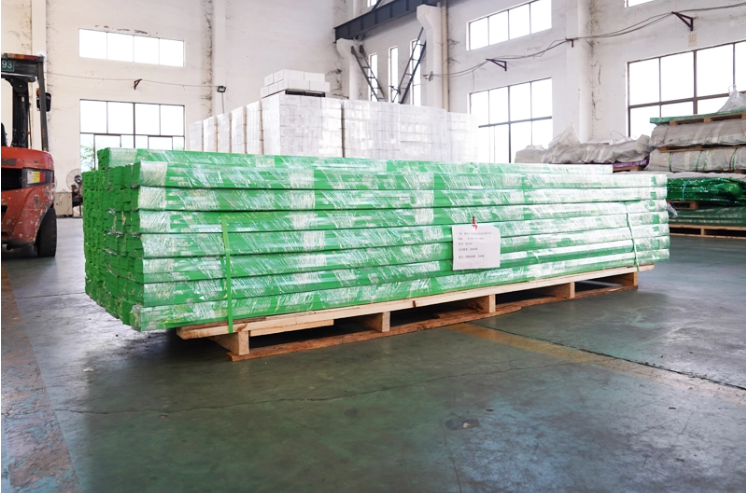
Understanding the Basics of Cotton Bale Strap Standards
Three important things support cotton bale strap strapping standards: rules for the quality of the materials, rules for how well they work mechanically, and rules for following safety rules. Over the past ten years, these standards have changed a lot as businesses switch from using traditional steel strapping to more modern polymer-based options.
ISO and ASTM Framework Requirements
International groups that set standards have made detailed rules about how polyester strapping can be used in farm packaging. As of now, ISO 16120 only talks about packaging materials used in agriculture, and ASTM D3950 spells out how to test plastic strapping materials. These frameworks set minimum tensile strength standards, which are usually between 180 kg and 1360 kg breaking force, based on the needs of the application.
The guidelines set specific limits for the width (9-25 mm) and thickness (0.4-1.25 mm) of the straps. This makes sure that they can be used with automated strapping equipment in cotton processing plants. Material requirements call for a consistent polymer makeup with controlled elongation qualities. This keeps the straps from breaking while they are being stored or transported.
Safety and Environmental Compliance
Modern guidelines for cotton bale strap products put more and more emphasis on worker safety and protecting the environment. UV resistance tests, heat resistance verification, and biodegradability studies are now required by regulations. These environmental standards come from the rising need in the industry for eco-friendly packing alternatives to traditional steel strapping that still work very well.
Safety rules require smooth edge building so that workers don't get hurt while handling and installing things. Polyester strapping is safer than steel options because it doesn't rust and doesn't have sharp edges, which can damage equipment and hurt people in warehouses.
Key Dimensions of Cotton Bale Strap Standards - Material, Performance, and Environmental Impact
Modern strapping standards cover three interconnected areas that affect buying decisions: the requirements for the materials used, performance standards, and estimates of the environmental effect. Each measurement is very important for figuring out if a product is right for a certain job.
Material Quality Benchmarks
To get certified, polyester strapping materials must show that their chemical structure and polymer clarity are always the same. Protocols for testing look at how uniform the material is, how well the surface is finished, and how stable the dimensions are when the temperature changes. When compared to other polymer mixtures, high-grade PET materials have better tensile strength. This makes them perfect for heavy-duty cotton bale strap baling uses.
Minimum extension limits set by quality standards stop materials from stretching too much when they are being used to secure loads. Controlled lengthening qualities make sure that straps stay tight for long periods of time while also allowing for the natural settling of loads during transport. These material standards have a direct effect on customer happiness and long-term performance dependability.
Performance Metrics and Testing Protocols
Standardized testing methods make sure that the load-bearing ability is valid in real-life operating situations. Tensile strength testing measures the greatest force that can be used to break something. It does this by using controlled loading scenarios that mimic real-life stress patterns. Temperature resistance testing shows that a material is stable in a range of climates, which is especially important for moving goods between countries.
Impact resistance testing checks how well the straps work when there are quick changes in load or shocks during transport. Products made from cotton baling strap materials must work the same way in temperatures ranging from -40°C to +80°C. This makes sure that they are reliable in a wide range of climates and locations.
Environmental Impact Standards
Environmental compliance guidelines check how biodegradable a material is, how well it can be recycled, and how much less of a carbon impact it leaves behind than traditional materials. Certified polyester strapping is better for the environment than steel options because it is lighter, which makes it easier to move, and it can be recycled completely after use.
Life cycle assessment methods look at how an item affects the world from the time it is made to the time it is thrown away. These tests show that current PET strapping options have much smaller carbon footprints and better performance than older materials.
Comparison of Major Standards and Their Implications on Procurement Decisions
Before you can make strategic choices about buying, you need to know how different standards affect cost structures, performance reliability, and compliance requirements. This study looks at some of the most important trade-offs that exist between different material choices and the standards that apply to them.
Steel vs. Polyester Strapping Standards
The main focus of traditional steel strapping standards is on tensile strength and corrosion resistance. On the other hand, current polyester standards focus on a wider range of performance factors, such as safety, effect on the environment, and ease of handling. Steel strapping usually has a higher pure tensile strength, but polyester strapping is more flexible and doesn't get damaged by the weather.
More and more, procurement teams prefer polyester options because they are stronger than steel in terms of weight to strength ratios and don't pose the risk of rust contamination. A cost study shows that polyester strapping is the best value because it lowers the cost of work, makes safety profiles better, and protects loads better during transport.
Regional Standard Variations
North American standards put more emphasis on safety rules and protecting the earth, while European standards put more emphasis on recycling and lowering carbon emissions. Asian markets are focused on cutting costs and making it easy to make more products. This means that global sellers have to meet a wide range of compliance requirements.
Purchasing professionals can better handle foreign supply lines when they understand these regional differences. Companies that do business around the world and need regular cotton bale strap specifications can get more freedom from suppliers who are certified in more than one region's standards.
Case Study: Heavy Load Export Applications
A thorough study of cotton export operations shows how following the rules has a direct effect on how well operations run and how costs are managed. Export sites that use certified polyester strapping have 23% fewer cases of load damage than those that use non-certified alternatives.
The case study shows that standard-compliant strapping lowers the number of insurance claims, keeps products from getting contaminated, and raises customer happiness. These advantages lead to measurable cost savings that balance out the higher original material costs, giving quality-focused procurement methods a good return on investment.
How to Ensure Your Cotton Bale Straps Meet Required Standards - Best Practices for Procurement
For buying strategies to work, they need organized ways to evaluate suppliers, check their quality, and keep an eye on their performance all the time. These best practices help buying teams find partners they can trust and make sure quality standards are always met.
Supplier Certification Verification
Manufacturers with a good reputation keep a lot of different certifications, such as ISO quality control systems, environmental compliance certificates, and testing documents for each product. Purchasing teams should ask for full certification packages and use independent verification services to make sure the credentials are real.
Statistical process control, batch tracking, and methods for ongoing growth should all be part of quality assurance systems. Suppliers with 99% pass rates in strict quality control methods usually provide more steady performance and fewer problems after the sale.
Quality Testing and Validation Protocols
Key performance qualities, such as tensile strength, measurement accuracy, and surface quality, should be checked during the incoming material inspection process. Random sampling methods make sure that the quality of each production batch is the same and find problems before they affect operations.
Third-party testing services make sure that what the maker says is true and that they are following the rules. These services give you objective performance data that helps you make decisions about what to buy and gives you proof that you're following the rules.
Customization and OEM Considerations
Custom cotton PET strap solutions need to be checked more thoroughly to make sure that changed specs stay in line with standards. Customizing colors, writing logos, and changing sizes must all go through a lot of tests to make sure they work right.
OEM partnerships with well-known companies give you access to specialized technical knowledge and methods for making sure the quality of your products. Because of these connections, it's possible to make solutions that are unique and meet specific operating needs while still meeting all standards.
Future Trends and Innovations in Cotton Bale Strap Standards
New technologies and changing rules are always changing fitting standards and best practices in the business. Knowing about these trends helps buying teams get ready for what will be needed in the future and find ways to stay ahead of the competition.
Environmental Sustainability Initiatives
Environmental protection agencies all over the world are putting in place tighter rules that favor package materials that break down naturally and can be recycled. These programs open up possibilities for businesses that choose environmentally friendly binding options and show leadership in this area.
Bio-based materials are used in advanced polymer formulas that still have great mechanical qualities. These new ideas are the way strapping technology will go in the future; they combine better performance with care for the environment.
Digital Certification and Tracking
Blockchain-based certification systems make it easy to check quality all the way through the supply chain. These technologies make it possible to check for standard compliance in real time and keep records of product quality and performance data that can't be changed.
Digital tracking systems make it easier to see what's going on in the supply chain and help people quickly fix quality problems. Companies that use these technologies have an edge over their competitors because their customers trust them more and they don't have to worry as much about following the rules.
Advanced Material Technologies
The main goal of research and development is to create new types of polymers that are stronger, last longer, and are better for the environment. These materials claim to make a big difference in performance while also having less of an effect on the earth.
Smart strapping technologies use sensors and tracking features to keep an eye on loads and check on their state in real time. These new ideas open up new business possibilities for companies that want more advanced packaging options than what cotton bale strap solutions can currently do.
Conclusion
Standards for cotton bale strapping are important for making sure that products are safe, that safety rules are followed, and that environmental duty is taken care of in all agricultural packaging uses. When procurement workers understand these standards, they can make choices that balance performance needs, cost concerns, and regulatory compliance. The move toward polyester-based options shows that the industry knows they offer better performance, higher safety standards, and benefits for the environment. Companies that focus on following standards and working with qualified producers set themselves up for long-term success in global markets that are getting more and more competitive.
FAQ
What are the primary international standards governing cotton bale strapping?
The most important international standards are ISO 16120 for farm packing materials and ASTM D3950 for plastic strapping specifications. There are also many regional certifications that cover things like tensile strength, dimensional tolerances, and environmental compliance.
How do polyester strapping standards differ from steel strapping requirements?
Standards for polyester strapping focus on a wider range of performance factors, such as elasticity, weather resistance, safety procedures, and environmental effect. In contrast, standards for steel focus mostly on tensile strength and corrosion resistance, without taking into account current sustainability requirements.
What tests are used to prove that cotton bale straps work?
Standard testing procedures include checking the tensile strength, the resistance to temperature changes from -40°C to +80°C, the resistance to impact, the stability under UV light, and the accuracy of the measurements to make sure that the product works the same way in all kinds of situations.
Why are environmental guidelines becoming more important when it comes to strapping?
Environmental standards reflect the growing need for sustainable packaging materials, lowering carbon footprints, and biodegradability compliance. This is forcing the industry to switch from traditional materials to eco-friendly alternatives that still perform well.
How can buying teams make sure that suppliers are following the rules?
To make sure something is real, you need to ask for full certification portfolios, have third-party tests done to make sure they are real, set up processes for inspecting arriving materials, and work with manufacturers to make sure they follow ISO quality management systems and written quality assurance protocols.
Partner with Jushuo Packaging for Premium Cotton Bale Strap Solutions
Jushuo Packaging makes the best cotton bale strap options for farm packaging that go beyond international standards. Our state-of-the-art factory uses Italian screen changers and cold-drawing technology to make high-performance PET straps with breaking forces between 180 and 1360 kg. With more than ten years of experience and the ability to produce more than twenty thousand tons per year, we keep a 99% pass rate by following strict quality control procedures. Our full customization services include changing the width from 9 to 25 mm, the thickness from 0.4 to 1.25 mm, and changing the color and brand. Get in touch with us at sales@jushuopackaging.com to talk about your unique needs and find out how our certified cotton bale strap maker can help you improve the way you package things.
References
International Organization for Standardization. "ISO 16120: Packaging Materials for Agricultural Applications - Quality and Performance Standards." ISO Publications, 2023.
American Society for Testing and Materials. "ASTM D3950: Standard Specification for Strapping, Flat Steel and Seals." ASTM International Standards, 2022.
European Committee for Standardization. "EN 13864: Packaging Materials - Polyester Strapping for Industrial Applications." CEN Publications, 2023.
Agricultural Packaging Institute. "Cotton Bale Packaging Standards and Best Practices Manual." API Technical Guidelines, 2023.
International Trade Commission. "Comparative Analysis of Packaging Materials in Global Cotton Trade." ITC Research Report, 2022.
Sustainable Packaging Coalition. "Environmental Impact Assessment of Agricultural Packaging Materials." SPC Environmental Study, 2023.

 English
 العربية
 Français
 Русский
 Español
 Português
 Deutsch
 italiano
 日本語
日本語 한국어
한국어 Nederlands
 Tiếng Việt
 ไทย
ไทย Polski
 Türkçe
 አማርኛ
አማርኛ ພາສາລາວ
 ភាសាខ្មែរ
 Bahasa Melayu
 ဗမာစာ
ဗမာစာ தமிழ்
தமிழ் Filipino
 Bahasa Indonesia
 magyar
 Română
 Čeština
 Монгол
 қазақ
қазақ Српски
 हिन्दी
 فارسی
فارسی Kiswahili
 Slovenčina
 Slovenščina
 Norsk
Norsk Svenska
 українська
 Ελληνικά
 Suomi
Suomi Հայերեն
 עברית
עברית Latine
 Dansk
Dansk اردو
اردو Shqip
Shqip বাংলা
বাংলা Hrvatski
 Afrikaans
 Gaeilge
 Eesti keel
 Māori
Māori සිංහල
සිංහල नेपाली
 Oʻzbekcha
 latviešu
 অসমীয়া
 Aymara
 Azərbaycan dili
 Bamanankan
 Euskara
 Беларуская мова
 भोजपुरी
 Bosanski
 Български
 Català
 Cebuano
 Corsu
Corsu ދިވެހި
 डोग्रिड ने दी
 Esperanto
 Eʋegbe
 Frysk
Frysk Galego
 ქართული
 guarani
 ગુજરાતી
 Kreyòl ayisyen
 Hausa
Hausa ʻŌlelo Hawaiʻi
 Hmoob
Hmoob íslenska
 Igbo
Igbo Ilocano
 Basa Jawa
 ಕನ್ನಡ
ಕನ್ನಡ Kinyarwanda
 गोंगेन हें नांव
 Krio we dɛn kɔl Krio
 Kurdî
Kurdî Kurdî
Kurdî Кыргызча
 Lingala
 Lietuvių
 Oluganda
 Lëtzebuergesch
 Македонски
 मैथिली
 Malagasy
 മലയാളം
 Malti
Malti मराठी
मराठी ꯃꯦꯇꯥꯏ (ꯃꯅꯤꯄꯨꯔꯤ) ꯴.
 Mizo tawng
 Chichewa
 ଓଡ଼ିଆ
ଓଡ଼ିଆ Afaan Oromoo
 پښتو
پښتو ਪੰਜਾਬੀ
 Runasimi
 Gagana Samoa
 संस्कृत
 Gaelo Albannach
 Sepeti
 Sesotho
 chiShona
 سنڌي
سنڌي Soomaali
 Basa Sunda
 Wikang Tagalog
 Тоҷикӣ
 Татарча
 తెలుగు
 ትግንያውያን
 Xitsonga
 Türkmençe
 संस्कृत
 ئۇيغۇرچە
 Cymraeg
 isiXhosa
 ייִדיש
 Yorùbá
 isiZulu


