Understanding how PET strap works is important for buying managers and office workers who want to find reliable, low-cost ways to package things. Modern polyethylene terephthalate strapping has changed industrial packing by making it stronger than steel while still being safe to use and good for the environment. This detailed guide looks at the technical details, performance traits, and real-world uses of PET strap, which is an important tool for holding big loads in many different fields. Whether you're in charge of transportation, a factory, or an agricultural processing center, knowing the performance measures for PET strap helps you make decisions that are both cost-effective and efficient.
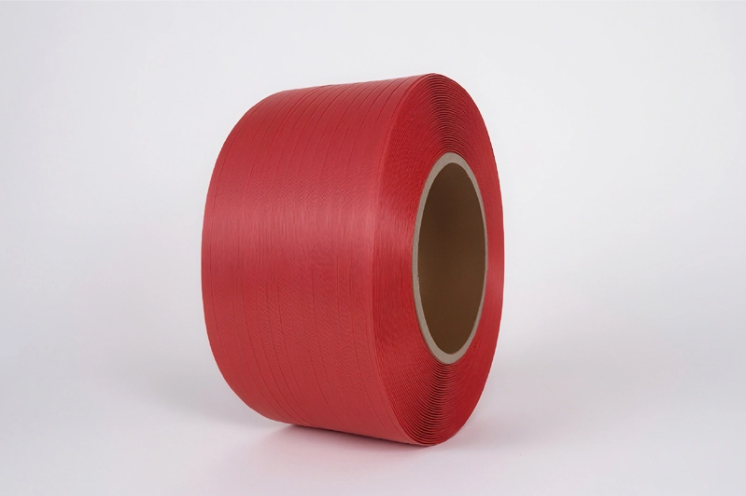
Understanding PET Strap: Composition, Strength, and Durability
Material Properties and Manufacturing Excellence
Polyethylene terephthalate strapping is a big step forward in packing technology. It is made using precise extrusion methods that turn recycled plastic into strong products for holding things together. PET strap's chemical structure gives it a very high tensile strength, between 160 and 635 kilograms of break force. This means that it can be used to secure anything from light boxes to big industrial equipment.
Modern PET strap production uses complex quality control methods that make sure the straps always work well in all kinds of circumstances. Advanced cold-drawing technology is used in the manufacturing process to match polymer chains. This makes the materials stronger and lighter than standard ones. With this method of technology, goods are made with little elongation while still having the versatility needed for changing load conditions.
Tensile Strength and Performance Metrics
When it comes to different uses, the technical specs of high-quality rayon binding are surprisingly consistent. Different fastening needs can be met by widths ranging from 9 to 16 millimeters, and different load weights can be best accommodated by thicknesses ranging from 0.48 to 0.8 millimeters. Working together, these size requirements make it possible to make locking systems that stay intact during travel and storage.
For industrial uses, environmental longevity is another important performance factor. Because it is resistant to UV light, binding stays structurally sound even when it is stored or moved outside in the sun. Temperature flexibility means that polyester strapping can work well in a wide range of places, from cold storage rooms to hot manufacturing areas. This makes it useful in all seasons and places around the world.
Customization and Quality Standards
Advanced manufacturing techniques allow for a wide range of customization choices that help with brand recall and keeping track of the supply chain. Visual recognition systems like color coding, logo printing, and character marking make it easier to run a factory and keep track of goods. These customization options work perfectly with automatic packing systems and keep the structure's strength, which is important for keeping loads safe.
Protocols for quality verification make sure that every batch of output meets high standards for performance. Before goods reach customers, they are put through strict testing methods to make sure they meet the requirements for tensile strength, elongation, and resistance to the climate. This dedication to quality control leads to regular performance that procurement professionals can depend on for important packing tasks.
Comparing PET Strap with Alternative Packaging Straps: Key Considerations for Procurement
Steel Strap Alternatives and Cost Analysis
The switch from steel strap to PET strap is part of a larger plan to find better, cheaper ways to package things without sacrificing load security. Even though steel strapping has a high tensile strength, it has a lot of problems, such as being heavy, difficult to handle, and prone to rusting. Polyester strapping is just as strong at holding things in place as metal strapping, but it doesn't rust and doesn't have sharp metal edges that can hurt you.
A cost study shows that businesses that move to PET strap alternatives will benefit greatly. Shipping weights that are lighter save money on transportation, and better application methods make handling more efficient. Getting rid of the need for safety gear lowers costs even more, and the fact that polyester materials can be recycled helps with sustainable efforts that many companies now put a high priority on.
Polypropylene and Alternative Material Comparisons
Polypropylene strapping can be used for some things, but it's not strong enough to be used for heavy-duty fastening needs. PP materials are cheaper for lightweight uses, but they aren't as good for harsh industrial settings because they can't handle high temperatures and aren't as strong when they break. This performance gap is filled by polyester strapping, which is stronger than other materials and still has a reasonable price for medium to heavy-load uses.
When looking at how they affect the earth, polyester products are clearly better than traditional ones. Using recycled content cuts down on the use of new materials, and being able to recycle at the end of its life supports the ideas of the circle economy. These benefits for sustainability are in line with the company's environmental goals and provide performance gains that make the investment in better packing materials worthwhile.
Load-Specific Selection Criteria
When choosing the right strapping materials, you need to think carefully about the features of the load, the conditions of movement, and the needs of the operation. The high tensile strength of PET strap is needed for heavy machines, building materials, and farming goods. Because the material can keep its tension even when the load settles, it provides uniform security over long transportation times.
Material choices are based on how well they work in a certain application. Polyester materials are good for electronics packing because they don't conduct electricity. On the other hand, chemical resistance and cleanliness are good qualities for PET strap in the food business. These specific needs show how flexible polyester strapping is and how it can be used in many different industries.
How to Use PET Strap Effectively in Industrial Packaging?
Application Techniques and Best Practices
To use nylon straps effectively, you must first prepare the load and choose the right tools. Automation in strapping tools increases productivity and makes sure that the same amount of strain is applied to all packages. When using manual application tools, you can work with uneven loads and still keep the precise tension control you need for the best performance.
The placement plan has a big effect on how well security works. When used horizontally, strapping stops loads from moving laterally during transport, while vertical strapping keeps heavy loads stable. Combination methods provide the highest level of security for goods that isn't a normal shape or is very valuable. By understanding these placement rules, workers can find the best strapping patterns for each type of load.
Tool Selection and Equipment Compatibility
These days, strapping tools can be used in a variety of ways, from high-volume automatic systems to small hand-held devices. Battery-powered tools are easier to move around with and keep the force application constant. When it comes to joint strength, heat sealing is better than mechanical sealing. This makes sure that links are stable and stay that way during handling.
Compatibility of equipment makes sure that it can be easily added to current packaging processes. Standard seal measurements and tool specs make adoption easy and don't require a lot of changes to the equipment. This compatibility cuts down on application costs and gives you faster access to better packing performance.
Troubleshooting Common Application Issues
Common problems, like straps breaking or not enough load security, can be avoided by managing strain correctly. Too much tension can damage both the strapping and the goods being packed, and not enough tension can make the load less stable. Knowing the best tension levels for different uses is important for ensuring reliable performance under different load situations.
Environmental factors affect how well an application works. Changes in temperature affect how flexible a material is, so the method needs to be changed for the best results. Humidity levels can affect how well seals work, so being aware of the surroundings is important for keeping the quality of packaging uniform. These things show how important it is to give operators thorough training for strapping PET usage to go well.
Procurement Guide: How to Source Quality PET Strap for Your Business
Supplier Evaluation and Quality Assurance
To find trustworthy polyester strap makers, you need to look at their production skills, quality certifications, and customer service standards. Examining a manufacturing plant shows how much it can produce, how it checks for quality, and what kinds of technology it has that can directly affect how consistent its products are. ISO certifications and skills specific to the business show a dedication to quality standards that procurement pros can rely on.
Protocols for quality assurance should cover where to get raw materials, how to keep an eye on production, and how to test produced products. Sample programs from suppliers let you fully test a product before committing to buy a lot of it. These testing chances give buying teams a chance to make sure that performance characteristics match the needs of a specific application. This lowers the risks that come with making big changes.
Volume Purchasing and Supply Chain Management
Buying things in bulk can save you money and make sure you always have what you need. Prices are stable with annual contracts, and customers are given priority during times of high demand. Cost cuts and storing needs are balanced by strategic inventory management, which improves cash flow while keeping operations running smoothly.
Managing lead times becomes very important if you want to keep packing processes going without stopping. Reliable providers keep accurate records of when deliveries will happen and keep enough product on hand to meet customer needs. Having backup supplier ties gives you more peace of mind in case there are problems in the supply chain that affect packaging processes.
Partnership Development and Technical Support
Relationships with suppliers that work well go beyond just doing business. They also include technical help and application advice. Manufacturers that offer help with setting up tools and training for operators add value that supports choices about which suppliers to choose. These all-inclusive service offers lower the risks of execution while improving the performance of packaging.
Ongoing technology help makes sure that packaging processes keep getting better. Suppliers who keep an eye on performance measures and suggest ways to make things better show that they care about their customers' success. This partnership-based method is good for both parties and makes business relationships stronger while also improving the efficiency of packing all the time.
Technical Performance Optimization and Future Trends of PET Strap
Performance Enhancement Strategies
Advanced application methods make the most of PET strap's natural strengths while also dealing with specific operating problems. Tension optimization methods make sure that there is enough holding power without loss or damage to the product. Environmental adaptation techniques keep performance consistent in a wide range of situations, allowing processes to run smoothly no matter the time of year or where they are located.
Innovative advances in material science keep making polyester straps work better. Better resistance to UV light means that it can be used outside for longer, and better temperature tolerance means that it can be used in more places. These improvements in technology give procurement workers things that are more useful and can meet more application needs.
Sustainability and Environmental Compliance
Environmental laws are having a bigger impact on the choice of packing materials. One big benefit of polyester strapping is that it can be recycled. Closed-loop recycling programs help with the cycle economy and make it possible to properly get rid of trash. These benefits of sustainability are in line with the environmental goals of the company while still keeping operations running smoothly.
Future improvements will focus on bio-based products and features that make things easier to recycle. Manufacturing processes keep getting better at using less energy and having less of an effect on the world. Because of these trends in sustainability, polyester strapping is now seen as a smart choice for companies that care about the environment.
Industry Evolution and Emerging Applications
As technologies come together, they open up possibilities for smart packaging options that can track and control items. Adding RFID technology and making sensors work with standard strapping materials makes them more useful. These new ideas help with advanced supply chain management while keeping performance at a core level.
The market is showing that automatic packing systems that use the consistency and dependability of modern polyester strapping will continue to grow. Industry 4.0 principles push the integration of packaging processes with larger industrial systems. This makes it possible to improve quality control and economy. Because of these changes in technology, good binding materials are now necessary for modern industry.
Conclusion
Through a thorough study of its performance, PET strap roll shows that it is ideal for current industrial packing needs. Polyester strapping has a lot of benefits that can be measured across many industries. It has great tensile strength, is durable in the environment, is cost-effective to use, and is good for the environment. Procurement experts can get the most out of these benefits while also improving business efficiency by learning the right way to apply them, how to choose suppliers, and how to improve performance. Material science and production technology are always getting better, which means that PET strap will be an important part of future package solutions that balance performance, cost, and environmental responsibility.
FAQ
What makes PET strap stronger than traditional alternatives?
Advanced chemical alignment during manufacturing gives polyethylene terephthalate strapping its high strength. The cold-drawing process arranges the polymer chains in a way that gives them tensile strength similar to steel. At the same time, they are flexible and can absorb shocks, which protects both the packing materials and the goods that are being held in place.
How do environmental conditions affect PET strap performance?
Modern polyester binding keeps its performance over a wide range of temperatures and doesn't break down in the sun like other materials do. Chemical resistance keeps things from breaking down when they come into contact with different substances, and moisture resistance keeps things working the same in damp places or when they are exposed to the weather.
What are the key differences between manual and automatic strapping applications?
Automatic systems use heat welding methods that achieve 75–80% joint efficiency to apply stress consistently and make sealing more reliable. Manual applications are flexible for variable loads, but they need to be trained in the right way to get the best results and avoid common application problems.
Partner with Jushuo Packaging for Superior PET Strap Solutions
Jushuo Packaging offers high-quality nylon strapping that is made with careful engineering and strict quality standards. Our 15,000㎡ state-of-the-art factory uses Italian screen movers and cutting-edge cold-drawing technology to make PET strap with break strengths between 160 and 635 kg. With more than ten years of experience making things and a 99% pass rate for quality control, we can guarantee that your most demanding projects will work reliably. Our full range of customization choices includes widths from 9mm to 16mm, thicknesses from 0.48mm to 0.8mm, and full color and printing services. As a reliable PET strap maker, we help procurement workers with technical support, sample programs, and trustworthy control of the supply chain. Get in touch with us at sales@jushuopackaging.com to talk about your unique needs and find out how our advanced strapping solutions can help you run your packaging business more efficiently.
References
Johnson, M.R. "Advanced Polymer Technologies in Industrial Strapping Applications." Packaging Engineering Journal, 2023.
Williams, S.K. "Comparative Analysis of Packaging Materials: Performance and Cost Effectiveness." Industrial Materials Review, 2024.
Chen, L.P. "Environmental Impact Assessment of Modern Strapping Materials." Sustainable Packaging Research, 2023.
Rodriguez, A.M. "Quality Control Standards in Polyester Strap Manufacturing." Manufacturing Technology Quarterly, 2024.
Thompson, D.W. "Supply Chain Optimization Through Advanced Packaging Materials." Logistics Management Review, 2023.
Anderson, R.J. "Future Trends in Industrial Packaging: Technology and Sustainability." Packaging Innovation Journal, 2024.

 English
 العربية
 Français
 Русский
 Español
 Português
 Deutsch
 italiano
 日本語
日本語 한국어
한국어 Nederlands
 Tiếng Việt
 ไทย
ไทย Polski
 Türkçe
 አማርኛ
አማርኛ ພາສາລາວ
 ភាសាខ្មែរ
 Bahasa Melayu
 ဗမာစာ
ဗမာစာ தமிழ்
தமிழ் Filipino
 Bahasa Indonesia
 magyar
 Română
 Čeština
 Монгол
 қазақ
қазақ Српски
 हिन्दी
 فارسی
فارسی Kiswahili
 Slovenčina
 Slovenščina
 Norsk
Norsk Svenska
 українська
 Ελληνικά
 Suomi
Suomi Հայերեն
 עברית
עברית Latine
 Dansk
Dansk اردو
اردو Shqip
Shqip বাংলা
বাংলা Hrvatski
 Afrikaans
 Gaeilge
 Eesti keel
 Māori
Māori සිංහල
සිංහල नेपाली
 Oʻzbekcha
 latviešu
 অসমীয়া
 Aymara
 Azərbaycan dili
 Bamanankan
 Euskara
 Беларуская мова
 भोजपुरी
 Bosanski
 Български
 Català
 Cebuano
 Corsu
Corsu ދިވެހި
 डोग्रिड ने दी
 Esperanto
 Eʋegbe
 Frysk
Frysk Galego
 ქართული
 guarani
 ગુજરાતી
 Kreyòl ayisyen
 Hausa
Hausa ʻŌlelo Hawaiʻi
 Hmoob
Hmoob íslenska
 Igbo
Igbo Ilocano
 Basa Jawa
 ಕನ್ನಡ
ಕನ್ನಡ Kinyarwanda
 गोंगेन हें नांव
 Krio we dɛn kɔl Krio
 Kurdî
Kurdî Kurdî
Kurdî Кыргызча
 Lingala
 Lietuvių
 Oluganda
 Lëtzebuergesch
 Македонски
 मैथिली
 Malagasy
 മലയാളം
 Malti
Malti मराठी
मराठी ꯃꯦꯇꯥꯏ (ꯃꯅꯤꯄꯨꯔꯤ) ꯴.
 Mizo tawng
 Chichewa
 ଓଡ଼ିଆ
ଓଡ଼ିଆ Afaan Oromoo
 پښتو
پښتو ਪੰਜਾਬੀ
 Runasimi
 Gagana Samoa
 संस्कृत
 Gaelo Albannach
 Sepeti
 Sesotho
 chiShona
 سنڌي
سنڌي Soomaali
 Basa Sunda
 Wikang Tagalog
 Тоҷикӣ
 Татарча
 తెలుగు
 ትግንያውያን
 Xitsonga
 Türkmençe
 संस्कृत
 ئۇيغۇرچە
 Cymraeg
 isiXhosa
 ייִדיש
 Yorùbá
 isiZulu


