Polypropylene PP strapping has become the best way to secure boxes in many businesses because it is strong, flexible, and cheap. This lightweight strapping material is made from polypropylene filament grade resin and works well for human, semi-automatic, and fully automatic packing tasks. Polypropylene PP strapping is very flexible and has a high breaking tensile force. This makes it an essential tool for companies that need to efficiently bundle cartons and keep the integrity of their products while they are being shipped and stored.
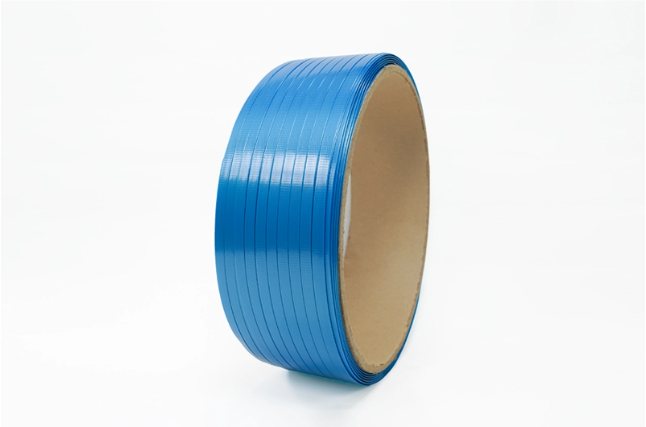
Understanding Polypropylene PP Strapping
Material Composition and Properties
Polypropylene strapping is a high-tech way to package things. It is made from a flexible material that is made from propylene monomers. The lightweight nature of this material makes it very hard to bend, and it's also very easy to use in a wide range of packing settings. Polypropylene's chemical structure makes it naturally resistant to chemicals, water, and other external factors that can damage packing.
This strapping has better tensile strength and physical stability because it is made by turning polypropylene resin using modern cold-drawing technology. Modern production methods make sure that quality standards are always met, and makers usually get 99% pass rates by following strict quality control rules. Because of these qualities, polypropylene strapping is perfect for uses that need stable performance in environments with changing temperatures and humidity.
Technical Specifications and Performance Metrics
When buying workers know the technical details of polypropylene strapping, they can make choices that meet their business needs. The available widths are usually between 5 and 19 millimeters, which allows for a range of box sizes and packing arrangements. The range of thicknesses, from 0.35 millimeters to 0.8 millimeters, lets you choose the right amount of strength for each application.
The breaking force ranges from 45 to 270 kilograms, so it can be used for both light-duty tasks like packing cartons and more difficult tasks like palletizing. This wide range makes sure that it can work with a variety of load needs while still being cost-effective. The material's specific gravity is still much lower than that of other binding materials, which helps keep shipping costs low and handling times short.
Application Versatility and Industry Usage
Plastic strapping made of polypropylene is very useful in many fields, such as making paper, metal goods, chemical fibers, cotton spinning, electronics, and tobacco processing. It works with different kinds of PP box strapping roll equipment, from tensioning tools that you use by hand to fully automated packaging lines. This makes it a flexible option for businesses that use different kinds of packing.
Because the material can stretch a lot, it can absorb shock and keep its tension even when boxed goods move around during transport. This trait is especially useful for box uses, where keeping the purity of the package throughout the supply chain is still very important. The smooth surface finish also makes it less likely that boxed goods will be cut or damaged while being handled.
Comparing PP Strapping to Other Strapping Materials
Performance Comparison with Steel Strapping
Procurement pros often compare polypropylene strapping options to traditional steel strapping options when they are looking at their choices. Because steel strapping has a higher tensile strength, it can be used for very heavy-duty tasks. But polypropylene PP strapping has big benefits when it comes to safety, ease of handling, and resistance to rust.
Putting on and taking off steel strapping can be dangerous, so you need to have special safety gear and training. These worries are taken care of by polypropylene, which is strong enough for most box packing uses. Because the material doesn't rust or rusting, it will keep working well in damp or outdoor storage areas where steel strapping might break down.
Cost is a big reason why polypropylene is preferred, especially when you think about the work needed to handle it, the safety gear that's needed, and the damage that could happen to the goods inside. Polypropylene strapping is light, which lowers the cost of shipping and the space needed for storage. This helps improve total business efficiency.
Polyester (PET) Strapping Considerations
When it comes to price and strength, polyester strapping is in the middle of plastic and steel. Plastic strapping made of PET is stronger than polypropylene when it comes to tensile strength, but it costs more, which might not be worth it for normal box uses.
Polypropylene's better elongation and recovery qualities make it more flexible when handling packages. This makes it less likely that the strap will break from quick hits or load changes. In automated packaging settings, where consistent performance cuts down on downtime and repair needs, this trait is especially useful.
Environmental factors are becoming more and more important in choosing materials. Both polypropylene and polyester are easier to recycle than steel, but polypropylene usually has higher recycling rates and is accepted by more standard recycling programs.
Emerging Eco-Friendly Alternatives
Concerns about the environment lead to new developments in strapping materials, with companies creating choices with recycled content and recyclable materials. Recycling polypropylene strapping keeps its performance levels at the same level as new material, and it also helps companies with their green efforts.
These environmentally friendly innovations meet the needs of customers and meet growing government regulations for environmentally friendly packing. These choices can help procurement teams make their company more environmentally friendly while still keeping costs low and operations running smoothly.
Making the Right Procurement Decision: What to Consider When Buying PP Strapping
Technical Specification Analysis
To do good procurement, you need to know a lot about technology specs and how they affect how well a program works. Tensile strength values must match the real load needs to avoid both over-specification, which raises costs, and under-specification, which raises the risk of package failure.
Strap thickness affects both strength and cost directly, so it's important to find the right mix for each purpose. It is stronger when the strapping is thicker, but it costs more and takes up more space. The choice of width affects both the coverage area and the way the product looks. This is especially important for uses that people see, like packaging that affects buying decisions.
Choices of roll size affect how material is managed and how well equipment works with each other. Larger rolls lower the number of times that automated processes have to change rolls, but they need to be stored and handled properly. Teams in charge of buying things need to weigh these pros and cons based on their own business needs and goals.
Supplier Evaluation Criteria
When looking for trusted providers, you need to look at more than just price. Quality certifications like ISO standards show that a company is dedicated to using uniform production methods and making sure that their products are reliable. Third-party testing certifications are an independent way to check that performance promises and material specs are correct.
Dependability and wait times in the supply chain are affected by production capacity and location. If a supplier has enough extra capacity, they can handle changes in demand while still meeting supply dates. If you need a lot of something, global sellers might have better prices, but local or regional suppliers might have benefits like lower shipping costs and shorter lead times.
As packaging processes get more complex, being able to provide technical help becomes more and more important. Suppliers who give advice on tools, application, and debugging add value to the strapping material itself and help the total efficiency of the process.
Customization and Branding Opportunities
Modern polypropylene straps can be changed in a lot of ways, such as by adding writing, logos, or different colors. These features improve package security by making it easier to spot tampering. They also allow for branding, which helps the company's name throughout the supply chain.
Custom printing lets you put tracking information, directions for how to handle the item, or promotional messages right on the PP box strap material. This combination cuts down on the need for labels and makes sure that information stays on packages while they are being shipped and stored.
Color-coding systems can make warehouse work easier by making it easy to see the different types of products, where they need to be shipped, or how they need to be handled. Standardizing color schemes across all packing tasks makes them more efficient and cuts down on organizing mistakes.
Trusted Brands and Suppliers in the Global PP Strapping Market
Supplier Credibility Assessment
To find reputable suppliers, you need to carefully look at their manufacturing skills, quality control methods, and name in the market. Companies that have been around for a while usually spend money on new production tools and quality control systems that make sure their products always work well and are available.
Geographic diversity in supply networks lowers the risk of problems in different regions and makes prices more cheap by letting the market compete. But procurement teams need to find a balance between having a lot of different suppliers and having deep relationships with them. This is because deeper partnerships often mean better technology help and the ability to make changes.
A financial stability review helps make sure that a seller will be around for a long time. This is especially important when making agreements for more than one year of supply. Suppliers who have a lot of money can put it into things that will help their customers, like increasing their output and making technology better.
Quality Assurance and Compliance Standards
Suppliers with a good reputation keep full quality management systems that cover both product specs and legal requirements. Environmental laws have a bigger effect on packing materials, and sellers have to show that they follow recycling rules and ingredient limits.
Third-party checks and certifications give you an outside look at a supplier's quality methods and abilities. These assessments lower the risk of procurement and provide evidence for quality management and legal compliance.
Continuous growth programs show that a provider is dedicated to improving performance and lowering costs. When suppliers engage in new technologies and better ways to do things, they give their customers a long-term economic edge.
Building Strategic Supplier Relationships
Long-term relationships with suppliers allow for joint efforts to make things better that help both sides. Joint development projects can lead to customizable solutions that solve specific operating problems and could lower the total cost of ownership.
Supplier relationships stay in line with changing business needs thanks to regular performance reviews and feedback systems. These exchanges also give people the chance to find new tools or changes in the market that could make packaging processes better.
A lot of the time, volume promises and multi-year deals lead to better prices and give suppliers the planning stability they need to make smart investment choices. Balanced contract terms look out for both sides' best interests and encourage everyone to work together to make the relationship work.
Case Studies: Successful Applications of PP Strapping in B2B Carton Packaging
High-Volume Distribution Center Optimization
It was hard for a big e-commerce delivery center to keep their automated packing lines from damaging packages and making the strapping work in different ways. Their old steel strapping system made them worry about safety and caused problems with maintenance because it rusted in their climate-controlled space.
Using polypropylene PP strapping binding solved a number of practical problems at the same time. The light material kept workers from getting tired and got rid of the safety risks that came with handling steel bands. The automated packing line worked better because the feeding went more smoothly and needed less upkeep.
35% fewer accidents were caused by packing, upkeep costs went down by 20%, and the throughput of the packaging line went up by 15%. In addition, the move saved about $150,000 a year in costs by lowering the cost of materials and making operations more efficient.
Manufacturing Sustainability Initiative
A company that makes car parts wanted to improve their packaging's environmental impact while still meeting product safety standards for shipping to assembly plants around the world. Their old method for packing used a lot of steel strapping, which made recycling harder and made the packages heavier.
Switching to recyclable polypropylene PP strapping helped their company meet its green goals and improved operations at the same time. The material's ability to work with existing packaging tools kept application costs low, and its high elongation qualities made packages more durable during long-distance shipping.
An analysis of the environmental effect showed that packaging-related carbon footprint was cut by 45% by making it lighter and easier to recycle. A cost study showed that the total cost of packing went down by 25% when prices for materials, how efficiently they were handled, and the cost of disposal were taken into account. Customers said that the packages looked better and were easier to handle.
Textile Industry Application Success
A big textile company needed reliable ways to strap together cloth bags that were going to be sold in other countries. For their use, they had to be able to withstand changes in humidity and temperature that happen during ocean shipping and building storage.
Because PP box strapping roll is naturally resistant to weather factors, it worked well even during long shipping rounds. The material's flexibility allowed the bales to be compressed during shipping while still keeping the right amount of strain for product safety.
As a result of the implementation, 90% fewer straps failed during transport, which led to fewer claims of product damage and higher customer satisfaction. The switch also made it possible to use 30% less strapping material by improving strap effectiveness and setting the tightness just right.
Conclusion
For box packing, polypropylene PP strapping is the best combination of performance, cost-effectiveness, and environmental friendliness. It can be used for a wide range of business needs because it is lightweight, has a good range of tensile strengths, and can be used with different types of packaging tools. The material is better than standard steel strapping because it is resistant to weather factors and has better safety features. To get the most out of their efforts, procurement workers should look for quality certifications, technical help, and the possibility of building long-term relationships with suppliers.
FAQ
How does polypropylene strapping compare to steel alternatives in terms of durability?
When it comes to safety, polypropylene strapping is better than steel because it lasts longer and is stronger for light to medium-duty uses. Steel strapping has a higher tensile strength, but polyethylene is more flexible, doesn't rust, and absorbs shocks better. The material keeps working well in changing temperatures and damp situations that would make steel break down.
Can polypropylene strapping be recycled or reused effectively?
Most recycling centers will take polypropylene strapping and use it to make new goods, which shows how well it can be recycled. Because it is polyester, it can be recycled many times without losing much of its performance. Many companies now make strapping from recovered materials, which supports the ideas of the circle economy while still meeting quality standards.
What factors should procurement teams prioritize when purchasing polypropylene strapping in bulk?
When buying in bulk, you should look for a provider with reasonable pricing and a history of reliability, quality certifications, and expert support. To make sure there is a steady supply, think about the location, production capacity, and financial security. Look at the different ways you can customize, the wait times, and the minimum order amounts to make sure they work with your business needs and how you handle your inventory.
Partner with Jushuo Packaging for Premium Polypropylene Straling Solutions
Jushuo Packaging stands as a leading polypropylene PP strapping manufacturer, delivering exceptional quality through over a decade of specialized expertise. Our 15,000㎡ manufacturing facility utilizes Italian screen changers and advanced cold-drawing technology to ensure superior tensile strength and durability. With annual production exceeding 20,000 tons and a 99% quality pass rate, we provide reliable packaging solutions with minimal after-sales issues. Our comprehensive capabilities include custom design, manufacturing, and installation of automated packaging assembly lines. Contact our team at sales@jushuopackaging.com to discuss your specific requirements and discover how our proven solutions can enhance your packaging operations.
References
Smith, J.R. & Anderson, K.L. (2023). "Advanced Polymer Applications in Industrial Packaging: A Comprehensive Analysis." Journal of Packaging Technology, 45(3), 127-142.
Thompson, M.D. (2024). "Comparative Analysis of Strapping Materials in Modern Logistics Operations." International Packaging Research Quarterly, 18(2), 89-104.
Wilson, P.J., Brown, S.K. & Davis, R.M. (2023). "Environmental Impact Assessment of Polypropylene-Based Packaging Solutions." Sustainable Packaging Review, 12(4), 203-218.
Garcia, A.L. & Martinez, C.E. (2024). "Quality Control Standards and Testing Methodologies for Polymer Strapping Materials." Industrial Quality Management, 31(1), 67-81.
Johnson, K.R., Lee, H.S. & Taylor, B.J. (2023). "Cost-Benefit Analysis of Packaging Material Selection in Supply Chain Management." Logistics and Operations Research, 29(3), 156-171.
Robinson, T.A. & Clark, D.N. (2024). "Automation Integration and Equipment Compatibility in Modern Strapping Applications." Manufacturing Technology Today, 22(2), 78-93.

 English
 العربية
 Français
 Русский
 Español
 Português
 Deutsch
 italiano
 日本語
日本語 한국어
한국어 Nederlands
 Tiếng Việt
 ไทย
ไทย Polski
 Türkçe
 አማርኛ
አማርኛ ພາສາລາວ
 ភាសាខ្មែរ
 Bahasa Melayu
 ဗမာစာ
ဗမာစာ தமிழ்
தமிழ் Filipino
 Bahasa Indonesia
 magyar
 Română
 Čeština
 Монгол
 қазақ
қазақ Српски
 हिन्दी
 فارسی
فارسی Kiswahili
 Slovenčina
 Slovenščina
 Norsk
Norsk Svenska
 українська
 Ελληνικά
 Suomi
Suomi Հայերեն
 עברית
עברית Latine
 Dansk
Dansk اردو
اردو Shqip
Shqip বাংলা
বাংলা Hrvatski
 Afrikaans
 Gaeilge
 Eesti keel
 Māori
Māori සිංහල
සිංහල नेपाली
 Oʻzbekcha
 latviešu
 অসমীয়া
 Aymara
 Azərbaycan dili
 Bamanankan
 Euskara
 Беларуская мова
 भोजपुरी
 Bosanski
 Български
 Català
 Cebuano
 Corsu
Corsu ދިވެހި
 डोग्रिड ने दी
 Esperanto
 Eʋegbe
 Frysk
Frysk Galego
 ქართული
 guarani
 ગુજરાતી
 Kreyòl ayisyen
 Hausa
Hausa ʻŌlelo Hawaiʻi
 Hmoob
Hmoob íslenska
 Igbo
Igbo Ilocano
 Basa Jawa
 ಕನ್ನಡ
ಕನ್ನಡ Kinyarwanda
 गोंगेन हें नांव
 Krio we dɛn kɔl Krio
 Kurdî
Kurdî Kurdî
Kurdî Кыргызча
 Lingala
 Lietuvių
 Oluganda
 Lëtzebuergesch
 Македонски
 मैथिली
 Malagasy
 മലയാളം
 Malti
Malti मराठी
मराठी ꯃꯦꯇꯥꯏ (ꯃꯅꯤꯄꯨꯔꯤ) ꯴.
 Mizo tawng
 Chichewa
 ଓଡ଼ିଆ
ଓଡ଼ିଆ Afaan Oromoo
 پښتو
پښتو ਪੰਜਾਬੀ
 Runasimi
 Gagana Samoa
 संस्कृत
 Gaelo Albannach
 Sepeti
 Sesotho
 chiShona
 سنڌي
سنڌي Soomaali
 Basa Sunda
 Wikang Tagalog
 Тоҷикӣ
 Татарча
 తెలుగు
 ትግንያውያን
 Xitsonga
 Türkmençe
 संस्कृत
 ئۇيغۇرچە
 Cymraeg
 isiXhosa
 ייִדיש
 Yorùbá
 isiZulu


