Choosing the right diameter for polypropylene PP strapping has a direct effect on how well it is packed, how safe the loads are, and how much it costs to run the business. This detailed guide looks at how differences in thickness affect performance traits, which will help purchasing managers and warehouse operations teams make smart choices. Businesses can improve their packaging strategies and make sure loads are safely contained in a wide range of industry settings by understanding thickness standards.
Understanding Polypropylene PP Strapping
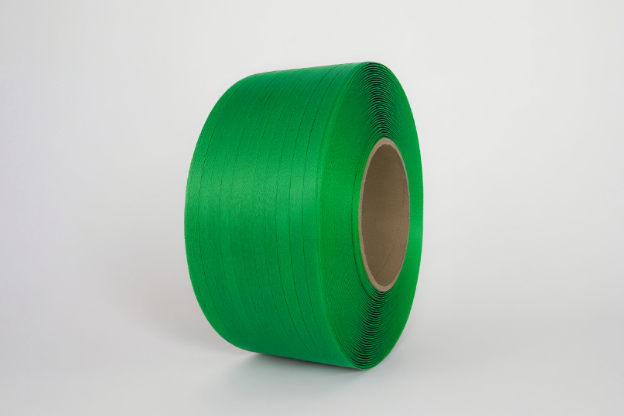
High-quality polypropylene fiber glue is used to make polypropylene strapping, which is a flexible way to package things. There is a lot of flexibility and strength in this thermoplastic material, which makes it good for semi-automatic, fully-automatic, and human packing tasks in many industries.
Key Physical Properties and Characteristics
Polypropylene PP strapping's main qualities come from its polymer structure, which makes it very flexible and strong when stretched. Modern ways of making things make fastening materials that are very hard to bend and have a low specific gravity, which makes them easy to handle. Because of these qualities, polypropylene is a great choice for situations where solid load control without too much weight is needed.
Good polypropylene PP strapping has regular elongation qualities that keep it taut while it's being moved or stored. The shock-absorbing properties of the material help keep packaged goods safe from quick hits or vibrations while they are being handled. The smooth surface also doesn't tear or split easily, so the package stays intact throughout the supply chain.
Common Thickness and Width Specifications
Standard polypropylene PP strapping comes in sizes from 5mm to 19mm, so it can be used for a wide range of packing needs, from light wrapping to heavy-duty palletizing. Specifications for thickness usually run from 0.35mm to 0.8mm, and each thickness level has a different break strength range of 45kg to 270kg.
The width you choose depends on how much surface area you have for strapping and how you want the load to be distributed. For bundling small things or binding light goods, narrower widths work well. For heavier uses, wider widths are better for spreading the load out. The tensile strength needed for a certain load weight and climate is directly related to the thickness choice.
Environmental Impact and Sustainability
Polypropylene PP strapping is better for the earth than steel options because it can be recycled and has a smaller carbon footprint. The material can be recovered more than once without losing many of its structural qualities. This helps circular economy efforts. The methods used to make polypropylene PP strapping usually use less energy than those used to make steel, which helps the environment generally.
Recycling systems today are very good at turning polypropylene trash into new things like car parts, home tools, and building materials. Because it can be recycled, polypropylene PP strapping is a good choice for businesses that want to start green programs. Because the material doesn't rust, protective coats aren't needed. This means that fewer chemicals are used and less trash is made.
How Thickness Influences Polypropylene Strapping Performance?
The main thing that determines the material qualities and performance characteristics of polypropylene PP strapping is how thick it is. When procurement teams understand this link, they can choose the best specs that meet both strength needs and cost concerns.
Direct Relationship Between Thickness and Strength
There are clear patterns in the relationship between width and tensile strength that help with choice. Strapping materials that are thicker have higher breaking forces, which means that heavy loads can be safely contained without the risk of breaking. Changes in the thickness of PP box strapping roll have a direct effect on its elongation properties, which in turn affect how the material reacts to changing loads during travel.
As the thickness goes up, so does the breaking power. This means that thicker versions can handle more stress at sharp edges or contact spots. This link is very important when strapping around walls or protrusions or when holding loads with odd shapes. Knowing these features of strength helps avoid over-specification, which adds costs without need, or under-specification, which raises the risk of load failure.
Environmental Resistance Factors
The thickness of polypropylene PP strapping has a big effect on how well it stands up to UV light, temperature changes, and wear and tear. When materials are thicker, they protect the surface better against damage caused by rough treatment or touching rough surfaces. This extra sturdiness is especially important for storing things outside or transporting things for long periods of time.
As the thickness goes up, temperature resistance goes up, so the material can stay strong and flexible over a wider range of temperatures. During cold weather, thicker strapping doesn't break easily, and when temperatures rise, it keeps its shape. These traits are very important for uses that need to store things during different seasons or move them through areas with different climates.
Application-Specific Performance Examples
Thicknesses between 0.35mm and 0.5mm are usually enough for light-duty tasks like bundling newspapers or binding light boxes. Thinner materials are better for these uses because they are flexible and easy to work with, but they are still strong enough to hold the loads they are meant to hold. For high-volume, light-duty jobs, cost-effectiveness becomes the most important thing to think about.
Thicknesses between 0.5mm and 0.65mm are needed for medium-duty tasks like palletizing mixed goods or securing device packing. These requirements make things stronger while still letting automatic binding tools do their job. When different package forms and weights are needed, the mix between strength and flexibility is very important.
Thicknesses between 0.65mm and 0.8mm are needed for heavy-duty tasks like protecting building materials or shipping industrial equipment. For these uses, the material needs to be as strong as possible and not easily damaged by impacts, while still being able to stretch enough to absorb dynamic loads during movement.
How to Choose the Right Polypropylene Strapping Thickness?
To choose the best thickness, you need to carefully look at a lot of different things that affect how well the packaging works and how much it costs. A structured method helps people who work in procurement make choices that meet business needs and stay within budget.
Load Requirements and Package Characteristics
The main thing that determines the minimum width needs is the load weight. Figuring out the total weight of the items being shipped helps set minimum strength standards that keep straps from breaking. But load weight alone doesn't tell you the best thickness to choose because the shape of the package and how the load is distributed have a big effect on where the stress is concentrated.
The form of the package affects how loads are transferred to strapping materials while they are being moved and handled. Regular geometric packages spread loads evenly across the width of the strapping, which makes it possible for lighter materials to hold more weight. When forms aren't straight, stress builds up, and stronger strapping may be needed to keep contact points from breaking.
The dynamic forces that PP box strap has to handle during transport depend on how dense the load is. Dense, hard loads put stress on packages in different ways than lighter, more flexible ones. Knowing these differences can help you choose the right width for a job and the way it will be transported.
Environmental and Operational Conditions
The conditions of storage and shipping have a big effect on the thickness needs. When strapping is stored outside, it is exposed to UV light, changes in temperature, and water, all of which can damage the material over time. These external factors are better handled by thicker materials, which increases their service life and keeps loads safe.
The way that strapping is handled changes the amount of mechanical stress that it goes through during transport and packing. When handling things automatically instead of by hand, stress patterns are different, which could mean that thickness requirements need to be changed. Knowing the features of the equipment and how to handle it properly can help you choose the best thickness for each operating setting.
The total stress that strapping goes through in the supply chain is affected by how far it has to be shipped and how often it has to be handled. If the materials need to be moved over longer distances or are handled more than once, they may need to be stronger to keep the load intact during the whole shipping process.
Cost Optimization Strategies
To find a good balance between performance needs and cost concerns, you need to know how thickness affects the total cost of packing. Even though thicker materials cost more per unit length, they may save money in the long run because they protect against damage from loads or allow for higher loading rates. Figuring out the total cost of ownership can help you find the best width specs.
If you want to save money by buying in bulk, it's usually best to stick to a few thickness options. Over-specification, on the other hand, can make material prices go up for no reason. By looking at how things are used and how much weight they need to hold, you can find ways to standardize width standards without lowering performance.
Options for customization, such as specific colors, stamped names, or exact measurements, may affect the thickness you choose and the price. Manufacturers of polypropylene PP strapping often offer customization services that can help raise awareness of a brand or make operations run more smoothly while keeping costs low.
Purchasing Polypropylene PP Strapping by Thickness
To be successful at procurement, you need to know what your suppliers can do, what the quality standards are, and what customizable choices are out there. Building relationships with dependable makers guarantees a steady supply of goods and good performance.
Supplier Selection and Quality Verification
To check a manufacturer's skills, you need to know about their production methods, quality control systems, and expert help. Leading makers use cutting edge extrusion technology and quality control systems to make sure that thickness tolerances and performance features stay the same. When specs call for tight thickness tolerances or consistent performance across big orders, these skills become very important.
Quality licenses and the ability to test products show that the maker is dedicated to making sure that their products always work well. Look for providers that have ISO certifications and testing facilities on-site that can confirm the thickness, tensile strength, and elongation qualities. These features make sure that the goods that are provided meet the requirements and work well in real-world situations.
The dependability of supplies and how well they are delivered are affected by production capacity and regional coverage. Manufacturers who have enough capacity and are located in a good spot can offer a more stable supply and faster transport response. Knowing about these capabilities helps make sure that important packaging tasks can keep getting supplies.
Customization and Help with Technology
For unique uses that need performance features that aren't offered in standard product lines, custom thickness specifications may be possible. Manufacturers of polypropylene PP strapping often offer custom molding services that can make mixes of thickness and width that work best for certain uses.
For special operating needs, technical support services help make the choice of strapping and the application process more efficient. Manufacturers with a lot of experience offer application engineering support that can help find the best thickness specs and machine settings for the job. This support is especially helpful when starting to use new packing methods or switching from other materials.
Color coding and printing choices help with keeping track of supplies and identifying brands while meeting thickness requirements. A lot of makers give custom printing and a range of colors, which can help businesses run more smoothly without affecting the quality of their products.
Leading makers show how knowledgeable they are by offering a wide range of product creation services and customer support. Businesses with state-of-the-art factories, quality control systems, and expert support can give packaging operations the dependability and stability they need to be successful.
Conclusion
To get the best performance from your packing, you need to find the right polypropylene PP strapping thickness by weighing the need for strength against environmental factors, cost, and other factors. Understanding the connection between thickness and performance traits helps procurement professionals make smart choices that keep costs low and ensure load security. Modern technology for making polypropylene offers stable, high-performance options in thicknesses ranging from 0.35mm to 0.8mm, suitable for a wide range of uses, from light wrapping to heavy-duty palletizing. Working with experienced makers who know what the application needs and can provide regular quality and technical support is key to success.
FAQ
What thickness of polypropylene strapping should I use for palletizing cartons?
Depending on the total weight of the pallet and how stable the cartons are, polypropylene PP strapping with a thickness of between 0.5mm and 0.65mm is usually needed to palletize cartons. Most of the time, 0.5mm thickness is enough for lighter pallets that weigh less than 500kg. However, 0.65mm thickness may be needed for larger pallets or loads that aren't stable.
How does thickness affect the compatibility with automatic strapping machines?
With the right adjustments, most automatic binding tools can handle thicknesses between 0.4mm and 0.8mm. If the material is thick, the tension settings and feeding systems may need to be changed. If the material is thin, the tension needs to be lower to keep it from pulling too much. Check the equipment's specs and test the settings to get the best results for each thickness choice.
Can I use thicker polypropylene strapping as a direct replacement for steel strapping?
In many situations, thicker polypropylene PP strapping can be used instead of steel strapping because it can hold loads just as well. But steel straps may still be needed in situations where strength or resistance to cutting are important. When thinking about replacing a material, you should look at the specific load factors and protection needs.
Partner with Jushuo Packaging for Premium Polypropylene Strapping Solutions
Jushuo Packaging brings over a decade of expertise in manufacturing high-performance polypropylene PP strapping with precise thickness specifications tailored to your operational needs. Our 15,000㎡ manufacturing facility utilizes Italian screen changers and advanced cold-drawing technology to ensure consistent thickness tolerances and superior tensile strength across our complete product range. With annual production capacity exceeding 20,000 tons and a 99% quality pass rate, we deliver reliable packaging solutions that minimize after-sales issues and maximize operational efficiency. As a trusted polypropylene PP strapping manufacturer, we provide comprehensive customization options including specific thickness requirements, colors, and printing to meet diverse industrial applications. Contact our technical team at sales@jushuopackaging.com to discuss your thickness requirements and discover how our expertise can optimize your packaging operations.
References
Morrison, J.K. "Polymer Strapping Materials: Performance Characteristics and Industrial Applications." Journal of Packaging Technology, Vol. 45, 2023.
Chen, L.W. and Rodriguez, M.A. "Thickness Optimization in Polypropylene Strapping for Industrial Packaging." International Packaging Science Review, 2022.
Thompson, R.S. "Comparative Analysis of Plastic Strapping Materials: Strength, Durability and Cost Factors." Packaging Engineering Quarterly, Vol. 38, 2023.
Williams, K.P. "Sustainable Packaging Solutions: Polypropylene Strapping Recycling and Environmental Impact Assessment." Green Packaging Technology, 2022.
Davies, M.J. "Automated Packaging Systems: Material Selection and Thickness Requirements for Optimal Performance." Industrial Packaging Solutions, Vol. 29, 2023.
Zhang, H.F. "Manufacturing Standards and Quality Control in Polypropylene Strapping Production." Polymer Processing Technology, 2022.

 English
 العربية
 Français
 Русский
 Español
 Português
 Deutsch
 italiano
 日本語
日本語 한국어
한국어 Nederlands
 Tiếng Việt
 ไทย
ไทย Polski
 Türkçe
 አማርኛ
አማርኛ ພາສາລາວ
 ភាសាខ្មែរ
 Bahasa Melayu
 ဗမာစာ
ဗမာစာ தமிழ்
தமிழ் Filipino
 Bahasa Indonesia
 magyar
 Română
 Čeština
 Монгол
 қазақ
қазақ Српски
 हिन्दी
 فارسی
فارسی Kiswahili
 Slovenčina
 Slovenščina
 Norsk
Norsk Svenska
 українська
 Ελληνικά
 Suomi
Suomi Հայերեն
 עברית
עברית Latine
 Dansk
Dansk اردو
اردو Shqip
Shqip বাংলা
বাংলা Hrvatski
 Afrikaans
 Gaeilge
 Eesti keel
 Māori
Māori සිංහල
සිංහල नेपाली
 Oʻzbekcha
 latviešu
 অসমীয়া
 Aymara
 Azərbaycan dili
 Bamanankan
 Euskara
 Беларуская мова
 भोजपुरी
 Bosanski
 Български
 Català
 Cebuano
 Corsu
Corsu ދިވެހި
 डोग्रिड ने दी
 Esperanto
 Eʋegbe
 Frysk
Frysk Galego
 ქართული
 guarani
 ગુજરાતી
 Kreyòl ayisyen
 Hausa
Hausa ʻŌlelo Hawaiʻi
 Hmoob
Hmoob íslenska
 Igbo
Igbo Ilocano
 Basa Jawa
 ಕನ್ನಡ
ಕನ್ನಡ Kinyarwanda
 गोंगेन हें नांव
 Krio we dɛn kɔl Krio
 Kurdî
Kurdî Kurdî
Kurdî Кыргызча
 Lingala
 Lietuvių
 Oluganda
 Lëtzebuergesch
 Македонски
 मैथिली
 Malagasy
 മലയാളം
 Malti
Malti मराठी
मराठी ꯃꯦꯇꯥꯏ (ꯃꯅꯤꯄꯨꯔꯤ) ꯴.
 Mizo tawng
 Chichewa
 ଓଡ଼ିଆ
ଓଡ଼ିଆ Afaan Oromoo
 پښتو
پښتو ਪੰਜਾਬੀ
 Runasimi
 Gagana Samoa
 संस्कृत
 Gaelo Albannach
 Sepeti
 Sesotho
 chiShona
 سنڌي
سنڌي Soomaali
 Basa Sunda
 Wikang Tagalog
 Тоҷикӣ
 Татарча
 తెలుగు
 ትግንያውያን
 Xitsonga
 Türkmençe
 संस्कृत
 ئۇيغۇرچە
 Cymraeg
 isiXhosa
 ייִדיש
 Yorùbá
 isiZulu


