Quality certifications for polypropylene PP strapping represent the cornerstone of reliable packaging operations across global supply chains. These certifications validate that plastic strapping materials meet rigorous international standards for tensile strength, durability, and safety performance. Modern manufacturing facilities utilize comprehensive testing protocols to ensure their PP strapping products comply with industry-specific requirements. Procurement managers rely on these certifications to guarantee consistent quality, regulatory compliance, and operational reliability when securing loads for transportation and storage applications worldwide.
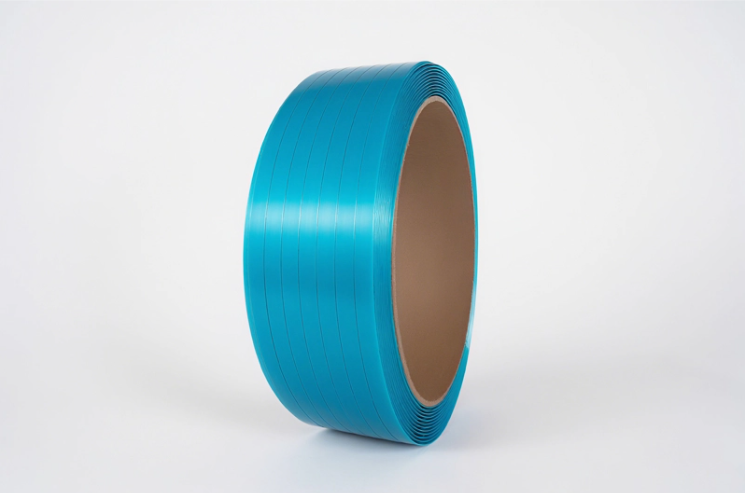
Understanding Polypropylene PP Strapping and Its Quality Standards
The unique mix of strength, flexibility, and low cost of polypropylene strapping has changed the way industrial packing is done. This lightweight material is made from polypropylene filament grade resin. It is the backbone of modern transportation, keeping loads safe for many businesses around the world.
Material Composition and Manufacturing Excellence
The foundation of quality polypropylene PP strapping lies in its sophisticated manufacturing process. The complicated process used to make polypropylene PP binding is what makes it good. Italian screen movers and cold-drawing technology are used in advanced production plants to turn raw polypropylene resin into high-performance strapping materials. Depending on the requirements, this process makes goods that are very flexible and have a breaking tensile strength of 45 to 270 kilograms.
Modern PP strapping is very strong and doesn't break easily. It also has a low specific gravity, which makes it easier to use when packing. Because of how it's made, the material can be used with semi-automatic, fully-automatic, and manual packing tools in a wide range of workplace settings.
Quality Standard Classifications
Knowing the different types of poly binding helps people who work in buying make smart choices. Light-duty types usually have widths between 5 and 19 mm and thicknesses between 0.35 and 0.8 mm. This makes them perfect for stacking boxes and holding down lighter loads. For tough jobs in the manufacturing and building industries, heavy-duty choices offer higher tensile strength.
Eco-friendly versions of PP box strap meet performance standards while also addressing growing environmental worries. These choices can be recycled and help companies be more environmentally friendly without affecting the safety of loads or the speed of operations.
Key Quality Certifications for Polypropylene PP Strapping Explained
In today's competitive global markets, quality approvals are the only way to tell the difference between different types of plastic bands. These standards include things like how things are made, how they affect the environment, and how well they work, and they have a direct effect on buying choices.
International Manufacturing Standards
ISO 9001 certification represents the gold standard for quality management systems in strapping production. When it comes to making straps, ISO 9001 approval is the gold standard for quality management systems. This complete framework makes sure that manufacturing processes, rules for continuous improvement, and measures for measuring customer happiness are all the same. Facilities that follow ISO 9001 show that they are dedicated to regularly providing products that meet or exceed customer standards.
As part of the certification process, industrial processes, quality control measures, and paperwork systems are carefully checked. Companies that meet this standard usually keep pass rates above 99%, which makes it much less likely that products will be defective or not work properly during important packing processes.
Performance and Safety Certifications
The ASTM D3950 guidelines spell out specific ways to test the mechanical strength of plastic strapping materials. Under controlled settings, these tests measure the tensile strength, stretch, and breaking force of a material. Buyers can match a product's powers with specific load needs and operating conditions when they understand these specs.
The EN 1492-1 license talks about safety issues for moving and securing tasks. For industrial use, this European standard makes sure that strapping materials meet strict safety standards. This is especially important in places where worker safety and load stability are very important.
Environmental and Chemical Compliance
REACH compliance approval shows that the materials used for binding comply with chemical substance rules in the European Union. This approval makes sure that goods don't have any chemicals that are bad for people or the environment that could be dangerous during production, use, or disposal.
RoHS approval limits the use of some dangerous materials in the production process. Products with this approval ensure that they meet international standards for environmental protection, which helps companies reach their green goals and meet government requirements.
How to Verify and Choose Certified Polypropylene PP Strapping
To choose the right certified strapping materials, you need to carefully look over the paperwork, the supplier's qualifications, and the product specs. This process keeps companies safe from fake goods while also making sure operations are reliable and rules are followed.
Documentation Verification Process
Real approval marks are easy to spot on technical documents and product boxes. Buyers should ask for full copies of the certifications, which should include test results, dates of manufacture, and information about the certifying body. Suppliers who are honest will gladly give you this paperwork and welcome third-party proof of their claims.
Tensile strength values, dimensional tolerances, and industry norms should all be made clear on product datasheets. Full technical details show that makers are dedicated to being open and ensuring quality throughout the whole production process.
Comparative Analysis Framework
PP box strapping roll offers distinct advantages compared to alternative materials like polyester and steel strapping. Polypropylene (PP) strapping has clear benefits over other materials like polyester and steel binding. When compared to steel options, they usually save between 40 and 60% of their weight, which lowers shipping costs and makes handling easier. Cost savings often go above and beyond 20 to 30 percent, and the power stays good enough for light to medium-duty uses.
Because PP binding is flexible, it absorbs pressure better during transport, which lowers the risk of damage to the load and the costs that come with it. This quality is especially useful for keeping mixed goods on crates secure when the load might move while they're being shipped.
Supplier Evaluation Checklist
When evaluating possible sellers, people who work in procurement should come up with a set of standard criteria. Some important things to think about are the ability to manufacture, the quality control processes, the certification maintenance schedules, and the expert help options. Suppliers who consistently do a good job usually have long-term ties with large logistics businesses and production operations.
Visits to production facilities can teach you a lot about how things are made, how to control quality, and how to run a general business. Companies that spend money on high-tech tools and automatic systems usually make products that are more consistent and reliable than companies that use simple manufacturing methods.
The Impact of Quality Certifications on Procurement Decisions and Supply Chain Efficiency
Quality certifications have a big effect on business results because they lower risks, make performance more predictable, and make the supply chain more reliable. You can easily measure these benefits in terms of lower costs and higher customer happiness.
Risk Mitigation and Performance Consistency
Certified strapping materials demonstrate substantially lower failure rates during critical packaging operations. Studies indicate that certified goods cut the number of load damage incidents by as much as 35% compared to options that aren't certified. This improvement comes from uniform manufacturing standards, strict quality control, and performance traits that have been proven to work.
Manufacturing facilities utilizing certified polypropylene PP strapping report fewer production line stoppages and reduced maintenance requirements for packaging equipment. Certified goods have uniform dimensional tolerances and material qualities that make sure automatic machines work well and equipment lasts longer.
International Trade Facilitation
Certified strapping materials make it easier to get through customs and follow the rules when traveling across foreign lines. Many countries need certain certificates for packing materials that are brought in from other countries, especially those that are used in electronics, food, and medicine. Having the right paperwork stops expensive delays and the possibility of a package being turned down.
Comprehensive approval systems make it possible to track down problems quickly when they happen. Full paper tracks make it easy to find the batches of products that are damaged and take steps to fix them without stopping the whole supply chain.
Sustainability and Corporate Responsibility
As businesses try to meet their sustainable goals and keep their promises to stakeholders, environmental standards play a bigger role in their buying decisions. Eco-friendly strapping choices that have been certified help with Corporate Social Responsibility efforts while still meeting basic performance standards. These goods often use recycled materials and can be recycled at the end of their useful life, which is better for the earth.
Companies that report on sustainable metrics say that certified goods give them clear proof for communicating with stakeholders and assessing the products' environmental effect. In places that care about the environment, this openness helps build brand loyalty and improves the image of the brand.
Conclusion
Quality certifications for polypropylene strapping materials are very useful for buying workers who have to deal with complicated global supply lines. These standards give us a way to measure how well a product works, how consistently it is made, and how well it follows the rules in a wide range of workplace settings. Being aware of the certification needs helps you make smart choices that combine cost concerns with safety and operating dependability needs. Buying approved polypropylene PP strapping pays off in a way that can be measured: fewer failures, better supply chain efficiency, and better compliance with regulations. As trade around the world continues to grow, quality standards become more important for staying ahead of the competition and improving operations.
FAQ
What certifications should I look for when purchasing polypropylene strapping?
Quality management systems that are certified by ISO 9001 are sure to meet foreign standards. Certifications from ASTM D3950 and EN 1492-1 show that the technical performance and safety features are correct. Environmental standards like RoHS and REACH show that chemicals are safe and don't harm the earth.
How do certified PP straps compare to steel strapping in terms of strength?
Steel strapping has a higher total tensile strength, but approved polypropylene PP strapping has a great strength-to-weight ratio and is good for light to medium-duty uses. PP strapping is safer for workers, better at absorbing shock, and more resistant to rust than steel strapping.
Can I trust eco-friendly certifications for polypropylene strapping?
Legitimate eco-friendly certifications undergo rigorous third-party verification processes. Look for licenses from well-known groups such as ISCC PLUS or others like them. To make sure that environmental claims are true, ask for proof that shows the amount of recycled material and how the product can be recycled at the end of its life.
How can I verify the authenticity of strapping certifications?
Get in touch with the organization that issued the license to make sure it is still legal and up to date. Legitimate providers give full paperwork, such as test results, times of production, and contact information for the accrediting body. Be wary of sellers who don't want to give you full licensing paperwork.
Partner with Jushuo Packaging for Certified Polypropylene Solutions
Jushuo Packaging stands as a leading polypropylene PP strapping manufacturer with over a decade of specialized expertise in high-performance packaging solutions. Our 15,000㎡ manufacturing facility utilizes advanced Italian screen changers and precision cold-drawing technology to produce superior quality strapping materials with comprehensive certifications. We maintain strict quality control standards achieving 99% pass rates while producing over 20,000 tons annually to meet global demand. Beyond manufacturing excellence, we design, manufacture, and install complete automated packaging assembly lines tailored to customer requirements. Contact our team at sales@jushuopackaging.com to request certified product samples, technical specifications, and competitive quotations that demonstrate our commitment to quality and reliability.
References
International Organization for Standardization. "Quality Management Systems Requirements for Plastic Strapping Manufacturing." ISO 9001:2015 Standards Documentation.
American Society for Testing and Materials. "Standard Test Methods for Strapping, Nonmetallic." ASTM D3950-98 Technical Specifications.
European Committee for Standardization. "Textile Slings Safety Requirements for Flat Woven Webbing Slings." EN 1492-1:2000 Certification Guidelines.
European Chemicals Agency. "Registration, Evaluation, Authorization and Restriction of Chemicals." REACH Regulation EC 1907/2006 Compliance Framework.
Restriction of Hazardous Substances Directive. "Environmental Protection Standards for Manufacturing Materials." RoHS 2011/65/EU Implementation Guidelines.
Packaging Industry Research Association. "Global Trends in Plastic Strapping Certifications and Quality Standards." Annual Industry Report 2023.

 English
 العربية
 Français
 Русский
 Español
 Português
 Deutsch
 italiano
 日本語
日本語 한국어
한국어 Nederlands
 Tiếng Việt
 ไทย
ไทย Polski
 Türkçe
 አማርኛ
አማርኛ ພາສາລາວ
 ភាសាខ្មែរ
 Bahasa Melayu
 ဗမာစာ
ဗမာစာ தமிழ்
தமிழ் Filipino
 Bahasa Indonesia
 magyar
 Română
 Čeština
 Монгол
 қазақ
қазақ Српски
 हिन्दी
 فارسی
فارسی Kiswahili
 Slovenčina
 Slovenščina
 Norsk
Norsk Svenska
 українська
 Ελληνικά
 Suomi
Suomi Հայերեն
 עברית
עברית Latine
 Dansk
Dansk اردو
اردو Shqip
Shqip বাংলা
বাংলা Hrvatski
 Afrikaans
 Gaeilge
 Eesti keel
 Māori
Māori සිංහල
සිංහල नेपाली
 Oʻzbekcha
 latviešu
 অসমীয়া
 Aymara
 Azərbaycan dili
 Bamanankan
 Euskara
 Беларуская мова
 भोजपुरी
 Bosanski
 Български
 Català
 Cebuano
 Corsu
Corsu ދިވެހި
 डोग्रिड ने दी
 Esperanto
 Eʋegbe
 Frysk
Frysk Galego
 ქართული
 guarani
 ગુજરાતી
 Kreyòl ayisyen
 Hausa
Hausa ʻŌlelo Hawaiʻi
 Hmoob
Hmoob íslenska
 Igbo
Igbo Ilocano
 Basa Jawa
 ಕನ್ನಡ
ಕನ್ನಡ Kinyarwanda
 गोंगेन हें नांव
 Krio we dɛn kɔl Krio
 Kurdî
Kurdî Kurdî
Kurdî Кыргызча
 Lingala
 Lietuvių
 Oluganda
 Lëtzebuergesch
 Македонски
 मैथिली
 Malagasy
 മലയാളം
 Malti
Malti मराठी
मराठी ꯃꯦꯇꯥꯏ (ꯃꯅꯤꯄꯨꯔꯤ) ꯴.
 Mizo tawng
 Chichewa
 ଓଡ଼ିଆ
ଓଡ଼ିଆ Afaan Oromoo
 پښتو
پښتو ਪੰਜਾਬੀ
 Runasimi
 Gagana Samoa
 संस्कृत
 Gaelo Albannach
 Sepeti
 Sesotho
 chiShona
 سنڌي
سنڌي Soomaali
 Basa Sunda
 Wikang Tagalog
 Тоҷикӣ
 Татарча
 తెలుగు
 ትግንያውያን
 Xitsonga
 Türkmençe
 संस्कृत
 ئۇيغۇرچە
 Cymraeg
 isiXhosa
 ייִדיש
 Yorùbá
 isiZulu


