Modern logistics networks are held together by distribution centers, which handle millions of items very quickly and accurately. These sites need strapping options that can handle their heavy operational needs while still being cost-effective. Polypropylene PP strap has become the most important material for distribution centers because it is very strong for its weight and can be used in a lot of different ways. This lightweight strapping material is mostly made of polypropylene polymer, which gives automated packing systems the dependability they need while also protecting workers and the environment. Polypropylene strapping is being used more and more frequently in major distribution hubs because it has been shown to effectively hold a variety of package types.
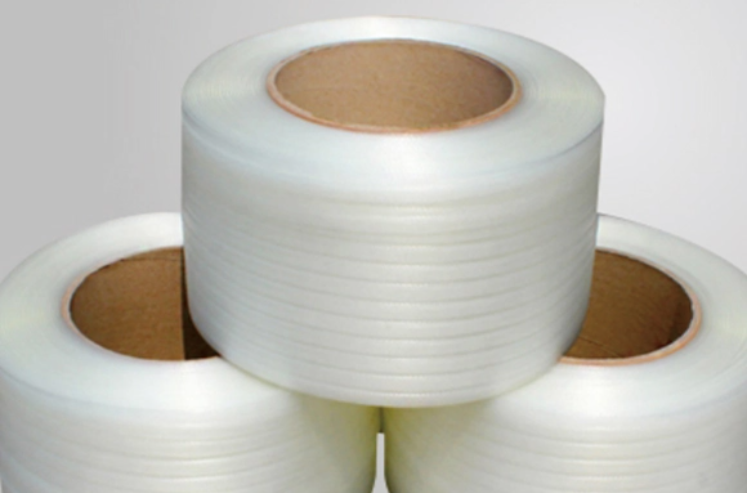
Why Polypropylene PP Strap is Essential for Distribution Centers?
There are special challenges that come up in high-volume, mixed-product distribution centers that need strapping systems that can handle them. It has become clear that polypropylene strapping is the best option because it is so flexible and works well in tough working settings.
Core Applications in Distribution Operations
In many areas of operation where dependability and speed are crucial, modern distribution centers use polypropylene strapping. One of the most important uses is for automated sorting systems to keep packages safe. Consistent strap performance stops expensive delays and product damage during high-speed processing.
PP straps are very important for warehouse storage optimization because they can keep their tension for long periods of time and fight environmental factors. For multi-destination delivery of mixed shipments, strapping materials are needed that can handle packages of different sizes and weights without compromising safety. For high-volume packaging lines to work together, the materials must be able to work with automatic equipment without any problems and with little downtime and maintenance.
These uses show why polypropylene strapping is now an important part of distribution centers that handle a wide range of products and complicated shipping needs.
Critical Performance Requirements in Distribution Environments
Because operations in a distribution center are so tough, the strapping materials used must meet strict performance standards in a wide range of operating areas. Tensile strength requirements must be able to handle a wide range of load weights, from light electronics packaging to heavy appliance shipments. Breaking forces must be between 45 kg and 230 kg, based on the application.
The elongation qualities are very important for dealing with the dynamic stress that happens during moving on a conveyor belt, sorting, and loading a truck. The material's ability to stretch and return to its original shape keeps packages safe during transport and avoids damage. Temperature resistance is important in places with different climates, like open loading docks and refrigerated storage areas where temperatures can change a lot.
UV stabilization keeps packages safe when they're at the loading dock outside and when they're stored for a long time. This stops the straps from breaking, which could make the packages less secure during the last steps of delivery.
Cost-Efficiency Advantages Over Alternative Strapping Materials
When compared to other types of strapping, polypropylene strapping is much cheaper, which makes it a good choice for distribution companies that want to save money. Comparing the costs of materials always shows that PP strapping is 30-40% cheaper than steel alternatives while still giving the same level of security for most uses.
Because polypropylene materials are light, they make work more efficient by keeping workers from getting tired and speeding up the packing line. PP strapping strips are easier for workers to handle, which speeds up changes and lowers the risk of injuries on the job. When you use polypropylene PP strap, you don't have to do as much upkeep on your equipment because the material isn't rough, so it lasts longer and costs less to replace parts.
Getting rid of rust and corrosion-related damage saves packages and equipment from expensive breakdowns that often happen with metal strapping alternatives.
Technical Specifications and Selection Criteria for Distribution Centers
To choose the right polypropylene strapping, you need to know the technical details that affect how well it works in a distribution center. With width choices from 5mm to 19mm, you can accommodate a variety of package sizes and security needs.
Understanding PP Strap Gauge and Width Options
It's helpful for distribution centers to know how the size of the strap affects how well it works in a certain situation. Choosing between 12mm and 15mm lengths has a big effect on the security of the package and the compatibility of the equipment. Wider straps better distribute load forces across the package surfaces.
The breaking strength and elongation properties of the strap are based on its thickness, which ranges from 0.35 mm to 0.8 mm. For standard uses, thicknesses of 0.5 to 0.6 mm are common. For heavy-duty uses, however, 0.7 to 0.8 mm materials may be needed for better security. To make sure there are enough safety margins, estimates for breaking strength must take into account the weight of the package, how hard it is to handle, and the conditions of the transport.
Core size compatibility between 8mm and 16mm choices affects how well equipment fits together and how quickly it can be switched over. Standardizing core sizes can help distribution centers with various strapping machines by making inventory simpler and reducing the need for training.
Machine Grade vs Hand Grade PP Strapping Systems
For automatic tying systems to work reliably in high-volume distribution centers, they need machine-grade polypropylene with certain properties. These materials have stable thickness tolerances, improved surface textures, and higher splice strengths to keep things running smoothly and avoid jams.
Materials that are both easy to handle and reliable mechanically are good for semi-automatic uses. This gives operators the freedom to do medium-volume jobs where full automation might not be cost-effective. When it comes to irregular package forms and specialized uses where automated systems can't meet specific needs, manual strapping becomes important.
Distribution centers can improve their strapping processes by using various application methods that depend on the type of package and the amount of strapping that needs to be done.
Specialized PP Strap Features for Distribution Applications
The latest polypropylene strapping has features that are especially made for the needs of delivery centers. Embossed surface textures improve grip security by making the strap and package sides stick together more, which stops the package from slipping while it's being handled.
When working with consumable items, food-grade approval is necessary to make sure safety rules are followed and contamination risks are avoided. Sorting and identification systems can use colored strapping choices to help. This lets you check the quality visually and make sure the packages are going in the right direction during the whole distribution process.
Custom printing lets distribution centers add logos, handling directions, or tracking codes directly to the strapping material, which helps people see the brand and keep track of it.
Optimizing PP Strapping Operations in Distribution Centers
To get the most out of polypropylene strap, working processes, equipment integration, and quality control measures must be improved in a planned way throughout the distribution center workflow.
Integration with Automated Packaging Systems
Integrating an automated packaging system correctly depends on following exact upkeep and calibration steps that guarantee consistent strapping performance. To make sure that straps work with conveyor belts, you need to think about their thickness, surface texture, and tension so that they don't get in the way of the devices that move packages.
Calibration of a strapping machine means setting the right tension levels, splice factors, and cycle timing to meet the needs of the package while keeping the machine running efficiently. Throughout the packaging line, quality control checkpoints make sure that the straps are applied correctly and are at the right tension levels. This stops problems from happening further down the line that could risk package security.
Regular checks of the binding heads, tensioning mechanisms, and cutting systems are part of the maintenance schedule for reliable continuous operation. This keeps the machine from stopping for no reason and ensures consistent performance quality.
Workflow Efficiency and Ergonomic Considerations
When working with polypropylene strapping materials, the training guidelines for operators set up safe ways to handle them that make the job more productive and safer. Comprehensive training programs teach workers the right way to lift things, use tools, and fix problems so that accidents and downtime at work are kept to a minimum.
Choosing between pneumatic and battery-powered strapping tools has a big effect on both output and comfort. Pneumatic tools work consistently, but they need a way to get air to them. On the other hand, battery-powered tools are portable and can be used for a wide range of tasks. Organizing and making it easy to get to strap coil storage solutions cuts down on switching times and keeps materials from getting damaged during handling operations.
Implementing a recycling program and waste reduction methods helps the distribution center reach its sustainability goals while also lowering the costs and harm to the environment of waste disposal.
Performance Monitoring and Quality Assurance
Joint methods for testing efficiency and keeping records make sure that all strapping applications consistently meet security requirements. Regular testing routines check the strength, tension retention, and durability of splices under simulated shipping conditions to find problems early, before they affect shipments to customers.
Load testing methods make sure that shipments are safe by putting strapped packages through controlled stress situations that are like how they would be handled and transported in real life. Damage assessment and failure analysis processes help find out why strapping fails and put in place fixes to stop them from happening again.
Tracking KPIs and metrics for continuous improvement give data-driven insights into how well strapping is working, which lets you make improvements to materials, tools, and processes all over the distribution operation.
PP Strap vs Alternative Strapping Solutions: Distribution Center Comparison
If you know the pros and cons of polypropylene strapping compared to other materials, you can make smart decisions that will help your distribution center run more efficiently and save money.
Polypropylene vs Steel Strapping Analysis
When handling a lot of materials, weight becomes very important because it has a direct effect on both output and operational costs. Strapping polypropylene is about 85% lighter than steel strapping of the same size, which makes it easier for operators to work with and speeds up the application process.
Safety benefits include getting rid of the sharp edges and harm risks that come with steel strapping, making workplaces safer, and lowering insurance liability concerns. When steel strapping is under too much tension, it tends to break. This creates a risk of dangerous projectiles that polypropylene materials remove through controlled failure modes.
A cost analysis shows that the initial investment is less expensive because the equipment doesn't have to be as complicated. In the long run, the business saves money because of lower material costs, less upkeep, and lower costs related to injuries. Polypropylene is better for the environment than heavier steel alternatives because it can be recycled and requires less energy to move.
PP Strap vs Polyester Strapping Performance Comparison
The way polypropylene and polyester strapping materials stretch under dynamic stress situations is a big difference between them. Polypropylene can stretch and heal more than other materials, so it's great for packages that might move or settle while being shipped while still keeping the right amount of tension.
Different materials behave differently at different temperatures. Polypropylene stays flexible over a bigger range of temperatures that are common in distribution centers. Although it costs more, polyester strapping is better at keeping its shape in situations that need long-term tension upkeep.
When looking at costs and benefits, polypropylene is usually the better choice for general distribution uses. On the other hand, polyester may be the better choice when high retention is needed. Recovery and reusability are important for sustainable processes. Both materials can be recycled, but they need to be processed in different ways.
Decision Matrix for Distribution Center Strapping Selection
Categories of load weight and the specs that go with them give structured information for choosing materials. For light-duty uses under 50 kg, 9-12 mm polypropylene strapping is usually enough. For medium-duty uses up to 150 kg, 15-16 mm materials with better thickness specs work better.
Volume needs and procurement issues affect the choice of materials by creating chances for quantity discounts and building relationships with suppliers. To make sure that equipment upgrades go smoothly, the requirements for compatibility and integration must match the capabilities of current equipment.
When comparing strapping options, long-term operating cost projections and return on investment (ROI) analysis give thorough evaluation frameworks that take into account material costs, changes in labor efficiency, equipment maintenance needs, and cost savings related to safety.
Implementation Best Practices and Safety Guidelines
Successful polypropylene strapping implementation requires comprehensive protocols addressing storage, handling, safety, and maintenance considerations throughout the distribution center operation.
Storage and Handling Protocols
Optimal storage conditions preserve strap quality and performance characteristics throughout extended storage periods. Temperature-controlled environments between 10-30°C prevent material degradation while humidity control below 70% prevents moisture absorption that could affect splice strength.
Inventory rotation systems utilizing first-in-first-out principles ensure consistent material quality and prevent age-related deterioration. Proper handling procedures protect strapping materials from contamination, physical damage, and UV exposure that could compromise performance during application.
Environmental controls for temperature and humidity management become particularly important in facilities with varying climate zones, ensuring material consistency regardless of storage location within the distribution center.
Operator Safety and Training Requirements
Personal protective equipment specifications include cut-resistant gloves, safety glasses, and appropriate footwear to protect workers during strapping operations. Comprehensive safety training programs cover equipment operation, emergency procedures, and hazard recognition specific to polyprop strapping applications.
Safe operating procedures for strapping equipment emphasize proper tensioning techniques, equipment inspection protocols, and lockout/tagout procedures during maintenance activities. Emergency protocols address potential injuries, equipment malfunctions, and material spillage situations that may occur during normal operations.
Regular safety audits and compliance verification ensure ongoing adherence to established safety standards and identify opportunities for continuous improvement in workplace safety practices.
Maintenance and Equipment Optimization
Preventive maintenance schedules for strapping machinery include regular inspection of tensioning mechanisms, cutting systems, and electrical components to prevent unexpected failures and maintain consistent performance quality. Detailed maintenance logs track equipment performance trends and identify components requiring attention before failures occur.
Spare parts inventory management ensures critical components remain available to minimize downtime during equipment repairs. Strategic parts stocking based on usage patterns and supplier lead times prevents extended operational disruptions.
Performance calibration and adjustment procedures maintain optimal equipment settings as operating conditions change or new materials are introduced. Regular calibration ensures consistent strap application quality and prevents material waste due to improper tension or splice settings.
Procurement Strategy and Supplier Partnership for PP Strapping
Developing effective procurement strategies and supplier relationships ensures reliable access to high-quality polypropylene strapping materials while optimizing costs and performance outcomes.
Vendor Evaluation and Selection Criteria
Quality certifications and compliance standards verification establish baseline requirements for potential suppliers. ISO 9001 certification demonstrates commitment to quality management systems, while industry-specific certifications ensure compliance with regulatory requirements relevant to distribution operations.
Supply chain reliability and delivery performance metrics evaluate suppliers' ability to meet demand requirements consistently. Supplier financial stability, geographic coverage, and backup capacity considerations protect against supply disruptions that could impact distribution center operations.
Technical support capabilities and response times become crucial when implementing new strapping materials or troubleshooting performance issues. Suppliers offering on-site technical assistance, application engineering support, and training services provide additional value beyond basic material supply.
Cost Optimization and Procurement Best Practices
Bulk ordering strategies and volume discount negotiations leverage purchase quantities to achieve favorable pricing while balancing inventory carrying costs. Annual volume commitments often qualify for significant price reductions while providing suppliers with demand predictability.
Just-in-time delivery coordination aligns material receipts with operational schedules, reducing inventory investment while ensuring material availability during peak demand periods. Multi-supplier strategies mitigate supply risk while maintaining competitive pricing through supplier competition.
Total cost of ownership analysis encompasses material costs, transportation expenses, inventory carrying costs, and quality-related impacts to provide comprehensive procurement decision frameworks that optimize long-term value rather than focusing solely on initial purchase prices.
Long-term Partnership Development
Performance monitoring and supplier scorecard implementation track key metrics including on-time delivery, quality performance, technical support responsiveness, and cost competitiveness. Regular performance reviews identify areas for improvement and recognize exceptional supplier performance.
Collaborative improvement initiatives encourage suppliers to invest in process improvements, new product development, and capacity expansion that benefit both parties. Joint problem-solving approaches leverage supplier expertise to address operational challenges and identify optimization opportunities.
Contract optimization and renewal strategies balance price stability with market flexibility, incorporating performance incentives and continuous improvement requirements that align supplier interests with distribution center objectives.
Conclusion
Polypropylene PP strap has established itself as the optimal choice for distribution center operations seeking reliable, cost-effective packaging solutions. The material's exceptional strength-to-weight ratio, environmental resistance, and automation compatibility make it indispensable for modern logistics operations. Distribution centers implementing comprehensive PP strapping strategies achieve significant improvements in operational efficiency, safety performance, and cost management. The key to success lies in proper material selection, equipment optimization, and supplier partnership development that aligns with specific operational requirements and volume demands.
FAQ
What break force specifications are recommended for different distribution center applications?
Break force requirements vary significantly based on package weight and handling intensity. Light-duty applications typically require 45-90 kg break force, while medium-duty operations need 120-180 kg capacity. Heavy-duty applications may demand break forces up to 230 kg for maximum security during transportation and handling.
How does polypropylene strapping perform in automated high-speed packaging lines?
Polypropylene strapping excels in automated environments due to consistent thickness tolerances, reliable splice strength, and compatibility with electronic sensors. The material's flexibility prevents jamming while maintaining tension throughout high-speed operations, achieving cycle rates exceeding 30 packages per minute.
What are the environmental benefits of switching to polypropylene strapping?
Polypropylene strapping offers complete recyclability, reducing landfill waste compared to steel alternatives. The lightweight nature reduces transportation energy consumption while eliminating rust and corrosion issues that contaminate other materials. Many manufacturers now offer strapping containing recycled content, supporting circular economy principles.
How can distribution centers optimize inventory management for PP strapping materials?
Effective inventory optimization involves establishing minimum and maximum stock levels based on usage patterns, implementing first-in-first-out rotation systems, and coordinating deliveries with operational peaks. Regular quality audits ensure material integrity while automated inventory tracking prevents stockouts during critical operations.
Transform Your Distribution Operations with Jushuo Packaging
Distribution centers seeking reliable polypropylene PP strap solutions can benefit from Jushuo Packaging's decade of manufacturing expertise. Our advanced cold-drawing technology and Italian screen changers ensure consistent quality with 99% pass rates. As a leading polypropylene PP strap manufacturer, we deliver customizable width options from 5-19mm with break forces ranging 45-230 kg. Our 15,000㎡ facility produces over 20,000 tons annually, supporting automated packaging assembly line design and installation services. Contact sales@jushuopackaging.com for technical consultation and sample evaluation to optimize your strapping operations with proven performance solutions.
References
Johnson, M. "Modern Strapping Technologies in Distribution Centers." Industrial Packaging Journal, 2023, pp. 45-62.
Williams, R. & Thompson, K. "Comparative Analysis of Plastic Strapping Materials for Logistics Applications." Packaging Engineering Review, 2023, vol. 28, no. 3, pp. 112-128.
Anderson, L. "Automation Integration Strategies for High-Volume Packaging Operations." Distribution Management Quarterly, 2022, pp. 78-94.
Chen, S. "Environmental Impact Assessment of Packaging Materials in Supply Chain Operations." Sustainable Logistics Review, 2023, vol. 15, no. 2, pp. 203-219.
Roberts, D. "Safety Protocols and Best Practices for Industrial Strapping Applications." Warehouse Safety Management, 2022, pp. 156-172.
Martinez, A. "Cost Optimization Strategies for Distribution Center Procurement." Supply Chain Economics, 2023, vol. 12, no. 4, pp. 88-105.

 English
 العربية
 Français
 Русский
 Español
 Português
 Deutsch
 italiano
 日本語
日本語 한국어
한국어 Nederlands
 Tiếng Việt
 ไทย
ไทย Polski
 Türkçe
 አማርኛ
አማርኛ ພາສາລາວ
 ភាសាខ្មែរ
 Bahasa Melayu
 ဗမာစာ
ဗမာစာ தமிழ்
தமிழ் Filipino
 Bahasa Indonesia
 magyar
 Română
 Čeština
 Монгол
 қазақ
қазақ Српски
 हिन्दी
 فارسی
فارسی Kiswahili
 Slovenčina
 Slovenščina
 Norsk
Norsk Svenska
 українська
 Ελληνικά
 Suomi
Suomi Հայերեն
 עברית
עברית Latine
 Dansk
Dansk اردو
اردو Shqip
Shqip বাংলা
বাংলা Hrvatski
 Afrikaans
 Gaeilge
 Eesti keel
 Māori
Māori සිංහල
සිංහල नेपाली
 Oʻzbekcha
 latviešu
 অসমীয়া
 Aymara
 Azərbaycan dili
 Bamanankan
 Euskara
 Беларуская мова
 भोजपुरी
 Bosanski
 Български
 Català
 Cebuano
 Corsu
Corsu ދިވެހި
 डोग्रिड ने दी
 Esperanto
 Eʋegbe
 Frysk
Frysk Galego
 ქართული
 guarani
 ગુજરાતી
 Kreyòl ayisyen
 Hausa
Hausa ʻŌlelo Hawaiʻi
 Hmoob
Hmoob íslenska
 Igbo
Igbo Ilocano
 Basa Jawa
 ಕನ್ನಡ
ಕನ್ನಡ Kinyarwanda
 गोंगेन हें नांव
 Krio we dɛn kɔl Krio
 Kurdî
Kurdî Kurdî
Kurdî Кыргызча
 Lingala
 Lietuvių
 Oluganda
 Lëtzebuergesch
 Македонски
 मैथिली
 Malagasy
 മലയാളം
 Malti
Malti मराठी
मराठी ꯃꯦꯇꯥꯏ (ꯃꯅꯤꯄꯨꯔꯤ) ꯴.
 Mizo tawng
 Chichewa
 ଓଡ଼ିଆ
ଓଡ଼ିଆ Afaan Oromoo
 پښتو
پښتو ਪੰਜਾਬੀ
 Runasimi
 Gagana Samoa
 संस्कृत
 Gaelo Albannach
 Sepeti
 Sesotho
 chiShona
 سنڌي
سنڌي Soomaali
 Basa Sunda
 Wikang Tagalog
 Тоҷикӣ
 Татарча
 తెలుగు
 ትግንያውያን
 Xitsonga
 Türkmençe
 संस्कृत
 ئۇيغۇرچە
 Cymraeg
 isiXhosa
 ייִדיש
 Yorùbá
 isiZulu


