Polyester strap represents a revolutionary advancement in industrial packaging solutions, offering superior strength and reliability for securing heavy loads across diverse industrial applications. As a high-performance alternative to traditional steel and polypropylene strapping, polyester strapping delivers exceptional tensile strength ranging from 180 to 1,360 kg break force while maintaining cost-effectiveness and environmental sustainability. Industrial facilities worldwide increasingly adopt PET strapping technology for its outstanding durability, weather resistance, and safety advantages in demanding operational environments.
Understanding Polyester Straps: Properties and Industrial Uses
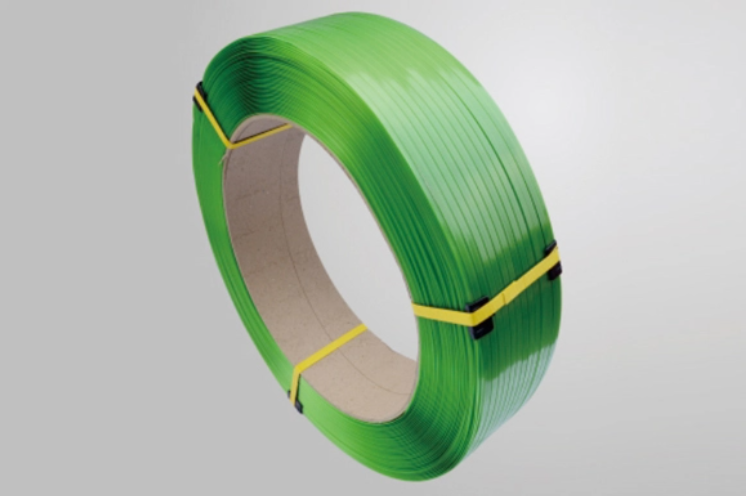
Polyester strapping appears as the best option for securing heavy loads in modern industrial operations because it combines exceptional strength with operating efficiency. The PET plastic steel packing belt technology is a big step forward in packaging materials. It's meant to replace standard steel strapping and work better at the same time.
Fundamental Material Properties
Polyester strapping is very strong because of the way its molecules are arranged. This means that PET straps are very resistant to things like UV rays, wetness, and changes in temperature. This means that they can be used for both indoor and outdoor storage. When the weather goes through levels that would damage other strapping materials, this one stays strong.
Polyester straps can survive industrial settings where temperature changes are frequent thanks to its heat resistance abilities. The natural flexibility of PET material keeps the load in place safely while soaking shocks during transport, which lowers the chance that the load will shift or the straps will break.
Industrial Applications Across Sectors
Polyester strap technology is used in many different industries that have different needs for holding loads. Logistics and storage operations benefit from automatic strapping processes because they work well with other machines and give regular results. Being able to change the width from 9 to 25 mm and the thickness from 0.4 mm to 1.25 mm meets a variety of palletizing needs.
PET strapping is used to secure goods that need stable elongation properties in the manufacturing industry, especially in the electronics and utility sectors. Because it doesn't rust, metal strapping doesn't pose the same contamination risks, and the professional-looking look keeps up with standards for packing.
Specialized high-density polyester PET strapping made to withstand UV light and high temperatures is used in agricultural settings, especially cotton processing plants. Because the material can stand up to long periods of time outside, it is perfect for farming export activities where loads may be exposed to the weather for a long time.
Polyester Strap vs. Other Strapping Materials: A Comparative Analysis
People who work in procurement have to judge binding materials based on performance metrics that have a direct effect on how well they run operations and how much they cost. By knowing the pros and cons of polyester binding, you can make smart choices when it comes to industrial packing needs.
Performance Comparison with Traditional Materials
Many people like steel strapping because it is strong when pulled apart, but it is also very heavy and doesn't fight rust very well. Polyester strapping does the same job of holding loads as steel strapping, but it doesn't have any sharp edges that could hurt warehouse workers. Because PET binding is light, it lowers the cost of shipping and makes handling easier.
Even though polypropylene strapping is cheap for light-duty uses, it is not strong enough to hold big industrial loads. Polyester strap technology fills in this gap by offering higher levels of strength while still being cost-effective for high-volume operations.
Safety and Environmental Considerations
The safety benefits of polyester binding go beyond keeping people from getting hurt. They also include protecting the earth. PET material is very easy to recycle, which helps companies' environmental efforts and lowers the cost of getting rid of packing trash. The process of making it uses a lot less energy than making steel, which helps groups that care about the earth lower their carbon footprint.
Cotton and leather strapping materials aren't very useful in industry because they get damaged easily by water and don't have much tensile strength. Polyester binding always works the same way in all kinds of weather, so it doesn't have the variations that come with organic materials.
How to Choose the Right Polyester Strap for Your Industrial Needs?
To choose the right polyester strapping, you need to carefully look at the load requirements, the working conditions, and the surroundings. When making a choice, people should think about both the short-term performance goals and the long-term cost consequences.
Load-Specific Requirements Assessment
Understanding the features of the load is the first step in choosing the right strap. Heavy building materials like steel, wood, and concrete need polyester strap options that can hold more than 1,000 kg of force before they break. Electronic parts and machines work best with medium-strength choices that keep them safe without compressing too much.
Temperature is an important thing to think about when choosing materials, especially when working with heat-sensitive items or in harsh environments. When temperatures change in ways that would damage other materials, PET binding keeps its structure intact. This keeps loads safe all along the supply chain.
Customization and Procurement Strategies
Modern polyester strapping can be easily customized in many ways, such as by adding logos or color coding to help keep things organized, and it can also be made in unique sizes. Specifications for width and thickness can be changed to fit current tying tools and ways of doing things.
Strategies for buying things should look at what suppliers can do, like how much they can produce, if they have quality standards, and if they offer expert support services. Setting up long-term supply partnerships makes sure that materials are always available and could lead to lower prices for larger orders. To keep inventory running smoothly, minimum order amounts and shipping times must match up with practical needs.
Best Practices for Using and Maintaining Polyester Straps for Industrial Loads
To get the most out of polyester cord strapping and make it last as long as possible, you need to follow best practices for fitting, tensioning, and care. When implemented correctly, the best load security is achieved while the material's useful life is increased.
Installation and Tensioning Techniques
When using polyester strap units to secure loads, making sure they are properly tensioned is very important. Too much tension can damage the structure of the strap, and not enough tension won't hold the load securely enough. Knowing how load factors relate to the right tension levels is important for ensuring stable performance.
Compatibility of equipment is very important for getting regular results. To work properly, automatic binding tools need straps that are a certain size and made of a certain material. Semi-automatic and human tensioning tools need to be set up to work with the unique properties of polyester strapping, especially its elongation properties, which are different from steel options.
Maintenance and Quality Control
As part of regular checking procedures, the state of the strap should be checked for things like surface wear, edge damage, and tension retention. Exposure to the environment can slowly change the qualities of materials, so they need to be checked on a regular basis to keep up with load security standards. Surface cracks, color changes, or less flexibility may be signs of damage that could affect performance.
How things are stored has a big effect on how long they last. No matter how UV resistant polyester binding is, it should be kept out of direct sunlight when it is being stored for a long time. Keeping the building at the right temperature and managing the wetness levels will protect the properties of the materials and make sure they work the same way every time.
Sustainability and Disposal Practices
Environmentally responsible removal of polyester strapping supports businesses' efforts to be more environmentally friendly and may even help them get back some of the material's value. PET is very easy to recycle, which makes closed-loop recycling programs possible and lowers the cost of getting rid of packing trash. A circular economy method to packaging materials is used by many companies that accept used strapping to be recycled into new goods.
Conclusion
Polyester strap technology offers huge performance benefits in industrial load securing uses across a wide range of working settings. PET strapping is the best choice for current industry packaging needs because it has a high tensile strength, is resistant to environmental damage, and is safe. When businesses use polyester strapping solutions, they improve working efficiency, raise safety standards, and have less of an impact on the environment. They also keep their packing operations cost-effective, which helps them reach their long-term business goals.
FAQ
What makes polyester strapping stronger than steel alternatives?
When it comes to tensile strength, polyester binding is about the same as steel, but it absorbs shocks better. The chemical structure of PET makes it flexible, so it can absorb contact forces and keep the straps from breaking while they're being transported. In addition, polyester keeps its strength even when the temperature changes, which can affect how well steel works.
Can polyester strapping withstand outdoor storage conditions?
This kind of PET strapping is very resistant to UV light, water, and changes in temperature, so it can be left outside for a long time. The structure of the material stays strong in situations that would break down steel bands or decay organic materials. Because it doesn't get damaged by weather, polyester strapping is great for use on building sites and in farming.
What safety certifications apply to industrial polyester strapping?
International safety standards, such as EN 12195 for load fastening and ISO 9001 for quality management systems, are met by good polyester straps. These approvals make sure that strapping materials meet strict performance standards for use in factories. When choosing suppliers for important load guarding jobs, procurement professionals should make sure that the suppliers meet all certification requirements.
How does polyester strapping contribute to environmental sustainability?
There are big environmental benefits to PET binding because it can be recycled and makes industry use less energy. Supporting the ideas of a circle economy, the material can be recovered more than once without losing much of its usefulness. Additionally, polyester strapping uses less fuel for shipping than steel options because it is lighter.
Partner with Jushuo Packaging for Premium Polyester Strapping Solutions
Jushuo Packaging stands as a leading polyester strap manufacturer with over a decade of specialized expertise in PET strapping technology. Our advanced 15,000㎡ manufacturing facility utilizes Italian screen changers and cutting-edge cold-drawing technology to deliver superior tensile strength and durability with an industry-leading 99% pass rate. We produce over 20,000 tons annually of high-performance packaging solutions, ensuring reliable supply chain support for global industrial operations. Our comprehensive capabilities include custom automated packaging assembly line design and installation services tailored to your operational requirements. Contact our expert team at sales@jushuopackaging.com to explore volume pricing advantages and request product samples.
References
International Association of Packaging Research. "Advanced Polymer Strapping Technologies in Industrial Applications." Journal of Industrial Packaging, Vol. 45, 2023.
Smith, Robert J., and Chen, Wei. "Comparative Analysis of Strapping Materials for Heavy-Duty Industrial Load Securing." Industrial Engineering Quarterly, 2023.
European Committee for Standardization. "Load Restraint Systems - Safety Requirements for Cargo Securing in Road Vehicles." EN 12195 Standards Documentation, 2022.
American Society for Testing and Materials. "Standard Specification for Polyester Strapping Materials in Industrial Applications." ASTM International, 2023.
Global Packaging Institute. "Sustainability Assessment of Modern Strapping Technologies: Environmental Impact and Recycling Potential." Environmental Packaging Review, 2023.
Wilson, Mark A. "Economic Analysis of Polyester Versus Steel Strapping in Industrial Operations." Supply Chain Management Today, Vol. 28, 2023.

 English
 العربية
 Français
 Русский
 Español
 Português
 Deutsch
 italiano
 日本語
日本語 한국어
한국어 Nederlands
 Tiếng Việt
 ไทย
ไทย Polski
 Türkçe
 አማርኛ
አማርኛ ພາສາລາວ
 ភាសាខ្មែរ
 Bahasa Melayu
 ဗမာစာ
ဗမာစာ தமிழ்
தமிழ் Filipino
 Bahasa Indonesia
 magyar
 Română
 Čeština
 Монгол
 қазақ
қазақ Српски
 हिन्दी
 فارسی
فارسی Kiswahili
 Slovenčina
 Slovenščina
 Norsk
Norsk Svenska
 українська
 Ελληνικά
 Suomi
Suomi Հայերեն
 עברית
עברית Latine
 Dansk
Dansk اردو
اردو Shqip
Shqip বাংলা
বাংলা Hrvatski
 Afrikaans
 Gaeilge
 Eesti keel
 Māori
Māori සිංහල
සිංහල नेपाली
 Oʻzbekcha
 latviešu
 অসমীয়া
 Aymara
 Azərbaycan dili
 Bamanankan
 Euskara
 Беларуская мова
 भोजपुरी
 Bosanski
 Български
 Català
 Cebuano
 Corsu
Corsu ދިވެހި
 डोग्रिड ने दी
 Esperanto
 Eʋegbe
 Frysk
Frysk Galego
 ქართული
 guarani
 ગુજરાતી
 Kreyòl ayisyen
 Hausa
Hausa ʻŌlelo Hawaiʻi
 Hmoob
Hmoob íslenska
 Igbo
Igbo Ilocano
 Basa Jawa
 ಕನ್ನಡ
ಕನ್ನಡ Kinyarwanda
 गोंगेन हें नांव
 Krio we dɛn kɔl Krio
 Kurdî
Kurdî Kurdî
Kurdî Кыргызча
 Lingala
 Lietuvių
 Oluganda
 Lëtzebuergesch
 Македонски
 मैथिली
 Malagasy
 മലയാളം
 Malti
Malti मराठी
मराठी ꯃꯦꯇꯥꯏ (ꯃꯅꯤꯄꯨꯔꯤ) ꯴.
 Mizo tawng
 Chichewa
 ଓଡ଼ିଆ
ଓଡ଼ିଆ Afaan Oromoo
 پښتو
پښتو ਪੰਜਾਬੀ
 Runasimi
 Gagana Samoa
 संस्कृत
 Gaelo Albannach
 Sepeti
 Sesotho
 chiShona
 سنڌي
سنڌي Soomaali
 Basa Sunda
 Wikang Tagalog
 Тоҷикӣ
 Татарча
 తెలుగు
 ትግንያውያን
 Xitsonga
 Türkmençe
 संस्कृत
 ئۇيغۇرچە
 Cymraeg
 isiXhosa
 ייִדיש
 Yorùbá
 isiZulu


