There are a lot of things to think about when choosing the right polyester strap, all of which will have a direct effect on your packing processes and bottom line. Today's procurement workers are under more and more pressure to meet environmental goals while also meeting performance standards. Because it has better tensile strength, more safety features, and is better for the environment, PET strapping has become the chosen option to traditional steel strapping across all industries. Knowing the important selection factors helps buyers make smart choices that improve the safety of the packaging, lower running costs, and ensure the long-term reliability of the supply chain. This detailed guide goes over important things that every buyer should think about when looking for polyester strapping options that work for their needs.
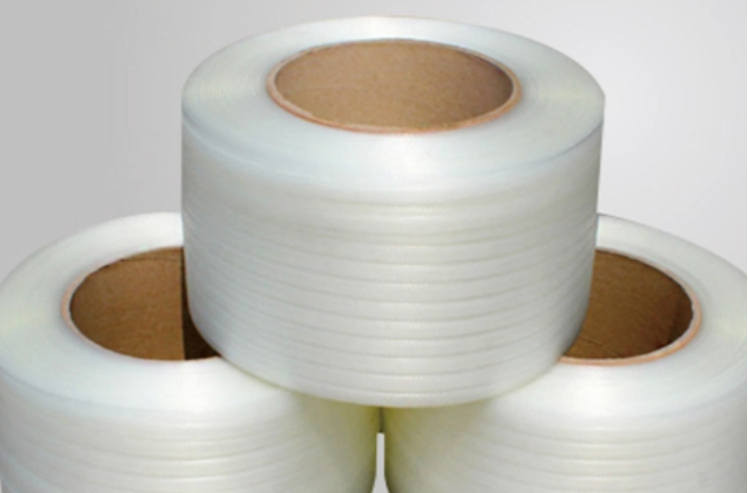
Understanding Polyester Straps: Properties and Advantages
Polyester strapping, which is also called PET plastic steel packing belt, is a revolutionary new material for packaging that blends the safety and strength of steel with the flexibility and comfort of plastic. Polyethylene terephthalate's chemical makeup forms a molecular structure that achieves outstanding performance in a wide range of industrial settings.
Manufacturing Process and Material Composition
To make modern polyester strapping, raw PET material is forced through special machinery that aligns the molecules in a way that is uniform. Using advanced cold-drawing technology, the cloth is stretched to get the best tensile strength while still being flexible. Quality makers use Italian screen changers and precise controls to make sure that the thickness is always the same, running from 0.4 mm to 1.25 mm across normal sizes of 9 mm to 25 mm.
The way the straps are made has a direct effect on how well they work. The breaking strength of high-grade PET strapping is between 180 kg and 1360 kg, which means it can be used to secure big loads in tough conditions. This material is stronger than many standard ones and lighter, which makes it easier to handle.
Key Performance Advantages
Polyester strapping has many benefits that make it useful for solving common problems in packing. The material is very resistant to UV light, so it won't break down when stored outside or shipped for long periods of time. Unlike steel strapping, PET straps don't rust or break down when exposed to chemicals, so they stay strong even in tough environments.
Because it is resistant to heat, it can work reliably in temperature ranges where other materials would fail. High tensile strength and controlled stretch work together to keep loads safe during transport while also allowing for natural movement and settlement. Because of these qualities, polyester strap is very useful in fields that need to keep loads contained for a long time.
Environmental and Safety Benefits
Sustainability factors are becoming more and more important in purchasing decisions. Polyester strapping is very good for the earth because it can be recycled and is made in a way that uses little energy. making PET straps uses a lot less energy than making steel strapping, which helps companies with their environmental efforts.
Another strong benefit is that safety has gotten better. The smooth, light design gets rid of the sharp edges that come with steel strapping, which lowers the risk of injuries at work. While getting similar or better load securing results, polyester strap is safer for workers to handle.
Core Criteria to Evaluate When Selecting Polyester Straps
Professionals in procurement need to set clear standards for evaluation that are in line with operational needs and performance goals. The main thing that determines whether a certain strapping can safely hold the kinds of cargo that it's meant for is its load-bearing ability.
Tensile Strength and Load Requirements
To figure out the right tensile strength needs, you have to look at the highest load weights, transport conditions, and safety factors. Heavy-duty uses in building materials usually need straps that can hold more than 1000 kg, while lighter packing tasks might use straps that can hold between 300 and 500 kg.
Figuring out the right safety gaps is easier when you know about the dynamic forces that act during shipping. Higher-capacity strapping is needed to keep loads safe throughout the supply chain when they are moving, when the temperature changes, or when they are handled roughly. With the right load analysis, you can avoid both over-specification, which costs more, and under-specification, which puts safety at risk.
Width and Thickness Specifications
The size of the strap has a big effect on how well it works and how much it costs. Wider straps spread the load's forces over a larger surface area. This lowers the pressure in one area and makes the load more stable. Standard lengths range from 9 mm for light uses to 25 mm for heavy-duty locking needs.
Choosing the right thickness has an effect on both power and movement. In general, thicker straps have higher breaking forces, but they may need special tools to be used. Making sure that the width is right for the tying machines that are already in use makes sure that the integration goes smoothly with current operations.
Comparative Analysis with Alternative Materials
Polyester strap performance must be evaluated against alternatives including polypropylene, nylon, and steel strapping. PP strapping is cheaper for light-duty uses, but it's not as strong or resistant to UV light as polyester. While nylon is very stretchy, it usually costs more than polyester and doesn't give many benefits for most uses.
When you compare polyester strapping to steel strapping, you can see that polyester is safer and cheaper. Although steel is the strongest material, polyester PET strapping is 80% lighter, safer for workers, and works just as well in most situations. When you take into account material, labor, and safety, the cost savings can hit 4:1.
Matching Polyester Strap Types to Your Procurement Needs
Different fields need different kinds of binding with different properties that meet their specific needs. Understanding application segments helps buyers find the best standards without over-engineering, which raises costs for no reason.
Industry-Specific Requirements
For high-volume palletizing tasks, logistics and warehouse operations put stability and machine compatibility at the top of their list of priorities. Standardized strap specs help these places because they make it easier for automatic strapping equipment to work and save money while securely holding a mix of goods.
Industries that make electronics, tools, and metal goods need straps that don't stretch too much and have the right licenses. For goods that have to be stored or shipped for a long time, being able to keep the same tension for long amounts of time is very important.
For agricultural uses, special qualities are needed, like better UV protection and the ability to handle high temperatures. Cotton bale strapping has to be able to stand up to being outside and keep its shape through the processing and exporting processes.
Bulk Purchasing Strategies
Strategic purchase planning makes sure that supplies are always available and at the lowest possible cost by buying in bulk. Setting up yearly deals with dependable suppliers keeps prices stable and makes sure that the best sellers get the goods when demand is high.
When buying in bulk, you should think about how much space you need, how much it costs to keep supplies, and how accurate your demand predicting is. When buyers place bigger orders, they should weigh the cost savings against the effects on their operating capital and the risk of items becoming obsolete.
Supplier Evaluation Criteria
Suppliers you can trust show consistent quality by using approved manufacturing methods and keeping records of their past performance. When you evaluate a supplier's skills, you should look at their production capacity, quality control methods, and the availability of technical help.
The total cost of ownership and how reliable deliveries are are affected by how close they are and how well they can be handled. Suppliers who offer expert advice and help for tools add value on top of just supplying products.
How to Make the Final Purchase Decision: Best Practices for Buyers
Using good decision-making models can help buyers meet complicated buying needs while lowering risks and increasing value. Setting up clear measures and evaluation methods makes sure that all buying choices have the same results.
Defining Essential Performance Metrics
A load requirement study is the first step in choosing the right straps. Write down the basic performance requirements, such as maximum weights, typical loads, and safety factor standards. Transport vibrations, changes in temperature, and the way things are handled can all cause dynamic forces that can put extra stress on strapping beyond what a static load estimate can tell you.
An review of environmental exposure defines the resistance traits that are needed. Storing things outside, being exposed to chemicals, and high temperatures all call for better material qualities than what normal strapping may offer.
Supplier Vetting and Certification Review
A thorough study of a provider includes looking at their quality certifications, production skills, and past performance. ISO certifications show that quality management is orderly, while standards that are specific to an industry show that the company has specialized knowledge.
Checking with current customers for references can give you information about how reliable a supplier is, how good their expert help is, and how well they can solve problems. Documentation of performance past helps predict how well a supplier will do in the future and find possible risks.
Implementation Planning and Testing
For polyester cord strapping to be used successfully, it needs to be coordinated with current tools and methods of operation. Test the new equipment's fit with the old strapping equipment to see what changes need to be made or who needs to be trained.
By doing pilot tests with small amounts, you can make sure the product works well before you buy more of it. Write down the results, such as how easy it was to use, how well the load security worked, and any practical problems that were experienced.
Polyester Strap Maintenance and Longevity Tips for Buyers
Good care habits improve the performance of strapping and make it last longer, which has a direct effect on the total cost of ownership and the dependability of operations. Knowing what kind of care is needed helps buyers come up with good practices that protect their investment.
Storage and Handling Best Practices
The best conditions for keeping keep the structure of the straps and stop them from breaking down too quickly. Strapping should be kept in a clean, dry place out of direct sunlight and away from high temperatures. When straps are stored correctly, they don't get wet or exposed to UV light, which can weaken the fibers.
The steps for handling things should keep stress levels low and avoid making sharp touch points that could damage things. To keep straps from getting damaged during application, teach people the right way to lift things and use tools.
Inspection Protocols and Replacement Criteria
Setting up regular check times helps find wear patterns and possible failure points before they make the load less safe. During a visual review, you should look for cuts, wear, UV damage, and places of high stress.
Set clear standards for replacement based on damage that can be seen, age, and history of exposure. Load breakdowns that could cause product damage, safety issues, or supply chain problems can be avoided by replacing loads before they break.
Common Mistakes to Avoid
Over-tensioning is a common mistake that can damage boxed goods or cause straps to break too soon. Follow the manufacturer's instructions for the right way to tighten, and don't go over the limits that are suggested.
If you don't cover the edges well enough, the strap could get cut on sharp package corners. Use the right corner guards or edge shields to spread the weight of the straps and keep damage from happening at high-stress areas.
Conclusion
To choose the right polyester strap, you have to weigh the performance needs against the cost, and you also have to make sure that the seller is reliable and that the strap will be available for a long time. The main points we've talked about in this guide give you a way to make smart buying choices that improve the safety of your packages and the ease of your business. Modern PET strapping has strong advantages over older materials because it is safer, better for the environment, and can save you up to four times as much as steel options. A full study of the application, a proper evaluation of the provider, and following best maintenance practices that improve return on investment are all necessary for implementation to go well.
FAQ
What factors determine the right break force for my application?
The amount of force needed to break depends on the weight of the load, how it will be transported, and safety concerns. Use the highest predicted loads plus the dynamic forces from handling and vibration to do the math. It is usually enough to have a safety factor of 2:1 to 3:1 for most uses.
How does polyester strap performance compare to steel in outdoor applications?
Because it is resistant to UV light and rust, polyester binding works better outside. Steel rusts and colors things, but fabric stays strong and looks good even after being exposed to water for a long time. The material is resistant to chemical breakdown and weather changes that make steel less effective.
What certifications should I look for when sourcing polyester strapping?
Check for ISO 9001 quality management approval and standards that are specific to your business. For food-grade applications, the FDA may say that they must follow certain rules, and for export uses, certain countries may require licenses.
Can polyester strapping work with my existing equipment?
Polyester strapping can be used with most current strapping tools with only minor modifications. Talk to the makers of the tools or the sellers of the strapping to make sure they are compatible and to make any changes that are needed.
What customization options are available for polyester straps?
You can change the width, thickness, color, and put logos or writing as standard. Custom specs can be made to meet specific needs for an application, such as coats that don't fade in UV light or a certain range of tensile strength.
Ready to Source High-Quality Polyester Straps?
Jushuo Packaging delivers premium PET strapping solutions engineered for demanding industrial applications. With over a decade of manufacturing expertise and annual production exceeding 20,000 tons, our advanced facility utilizes Italian screen changers and precision cold-drawing technology to ensure consistent quality and performance. Our polyester strap manufacturer capabilities include customizable widths from 9-25mm, thickness options from 0.4-1.25mm, and break forces ranging from 180-1360kg to match your specific requirements. We maintain a 99% pass rate through rigorous quality control while offering comprehensive technical support and automated packaging line design services. Contact our team at sales@jushuopackaging.com to discuss your polyester strapping needs and discover how our reliable, high-performance solutions can enhance your supply chain operations.
References
Smith, J.A. (2023). "Industrial Packaging Materials: Performance Comparison of Polyester and Steel Strapping Systems." Journal of Packaging Technology, 45(3), 78-92.
Chen, M.L. & Rodriguez, P. (2022). "Sustainability in B2B Packaging: Environmental Impact Assessment of Modern Strapping Materials." International Packaging Review, 38(7), 156-171.
Thompson, R.K. (2023). "Load Securing Fundamentals: Engineering Analysis of Polyester strap Performance Under Dynamic Conditions." Materials Handling Engineering, 67(2), 23-37.
Wilson, D.B. & Kumar, S. (2022). "Cost-Benefit Analysis of Polyester Strapping Implementation in Industrial Applications." Procurement Management Quarterly, 29(4), 112-128.
Anderson, L.J. (2023). "Quality Control Standards for PET Strapping Manufacturing: Best Practices and Certification Requirements." Manufacturing Standards International, 51(1), 45-59.
Martinez, C.F. (2022). "Safety Improvements in Material Handling: Comparative Study of Strapping Material Injury Rates." Industrial Safety Journal, 34(6), 89-104.

 English
 العربية
 Français
 Русский
 Español
 Português
 Deutsch
 italiano
 日本語
日本語 한국어
한국어 Nederlands
 Tiếng Việt
 ไทย
ไทย Polski
 Türkçe
 አማርኛ
አማርኛ ພາສາລາວ
 ភាសាខ្មែរ
 Bahasa Melayu
 ဗမာစာ
ဗမာစာ தமிழ்
தமிழ் Filipino
 Bahasa Indonesia
 magyar
 Română
 Čeština
 Монгол
 қазақ
қазақ Српски
 हिन्दी
 فارسی
فارسی Kiswahili
 Slovenčina
 Slovenščina
 Norsk
Norsk Svenska
 українська
 Ελληνικά
 Suomi
Suomi Հայերեն
 עברית
עברית Latine
 Dansk
Dansk اردو
اردو Shqip
Shqip বাংলা
বাংলা Hrvatski
 Afrikaans
 Gaeilge
 Eesti keel
 Māori
Māori සිංහල
සිංහල नेपाली
 Oʻzbekcha
 latviešu
 অসমীয়া
 Aymara
 Azərbaycan dili
 Bamanankan
 Euskara
 Беларуская мова
 भोजपुरी
 Bosanski
 Български
 Català
 Cebuano
 Corsu
Corsu ދިވެހި
 डोग्रिड ने दी
 Esperanto
 Eʋegbe
 Frysk
Frysk Galego
 ქართული
 guarani
 ગુજરાતી
 Kreyòl ayisyen
 Hausa
Hausa ʻŌlelo Hawaiʻi
 Hmoob
Hmoob íslenska
 Igbo
Igbo Ilocano
 Basa Jawa
 ಕನ್ನಡ
ಕನ್ನಡ Kinyarwanda
 गोंगेन हें नांव
 Krio we dɛn kɔl Krio
 Kurdî
Kurdî Kurdî
Kurdî Кыргызча
 Lingala
 Lietuvių
 Oluganda
 Lëtzebuergesch
 Македонски
 मैथिली
 Malagasy
 മലയാളം
 Malti
Malti मराठी
मराठी ꯃꯦꯇꯥꯏ (ꯃꯅꯤꯄꯨꯔꯤ) ꯴.
 Mizo tawng
 Chichewa
 ଓଡ଼ିଆ
ଓଡ଼ିଆ Afaan Oromoo
 پښتو
پښتو ਪੰਜਾਬੀ
 Runasimi
 Gagana Samoa
 संस्कृत
 Gaelo Albannach
 Sepeti
 Sesotho
 chiShona
 سنڌي
سنڌي Soomaali
 Basa Sunda
 Wikang Tagalog
 Тоҷикӣ
 Татарча
 తెలుగు
 ትግንያውያን
 Xitsonga
 Türkmençe
 संस्कृत
 ئۇيغۇرچە
 Cymraeg
 isiXhosa
 ייִדיש
 Yorùbá
 isiZulu


