PP strapping has changed the way light industrial packing is made by providing a cheap, lightweight option that is still very strong and reliable. This flexible polymer material, which is made from polypropylene resin, is the best way to secure light to medium-duty loads because it is both strong and cheap. With a tensile strength of 45 to 230 kg break force and lengths that can be changed from 5 to 19 mm, PP strapping works well in a wide range of packing situations and is safe for the environment because it can be recycled over and over again.
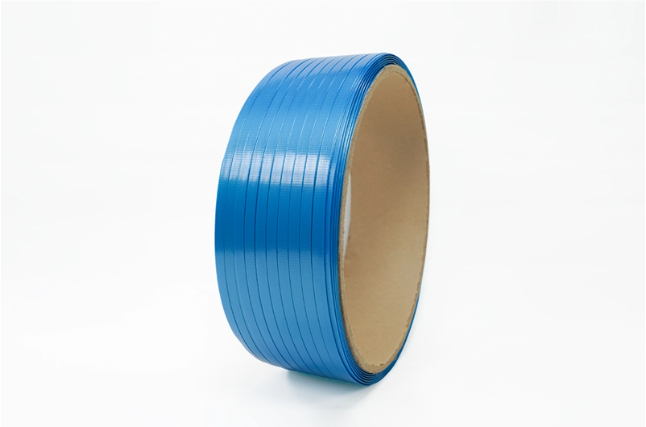
Understanding PP Strapping and Its Benefits
Polypropylene strapping is a big step forward in packing technology. It is made using precise cold-drawing methods that improve the orientation of molecules and the strength of the material. Because it is made of synthetic polymers, the material is both light and strong, and it works better than standard packing materials in many situations.
Manufacturing Excellence and Quality Standards
Modern factories that make PP strapping use high-tech Italian screen switches and advanced cold-drawing technology to make sure that quality standards are always met. In the production process, polypropylene resin is pushed through systems that precisely control the temperature. This makes the thickness and width specs uniform. A 99% pass rate is guaranteed by quality control methods that keep an eye on the tensile strength, elongation properties, and surface finish features all the time.
Core Advantages of Polypropylene Strapping
Using polypropylene binding has many perks besides just holding things in place. The main reasons why this material is so useful in light industrial settings are listed below:
l Low cost: Compared to steel or nylon strapping, polypropylene strapping saves a lot of money on shipping costs, cutting them by up to 40% while still providing enough strength to hold light to medium loads in place.
l Lightweight design: PP strapping adds little weight to packaged goods, which lowers shipping costs and reduces handle stress while providing great shock absorption during transport.
l Resistant to corrosion: Unlike metal binding, plastic materials don't rust, get damaged by water, or react with chemicals. This means they work the same way in all kinds of environments.
l Better safety: The smooth surface and bendable nature of steel strapping get rid of the sharp edges and possible harm risks that come with them, making workplaces safer for workers.
All of these benefits add up to better operating efficiency and lower overall packaging costs in a wide range of industry settings. The material's elastic memory lets it keep its tension even when loads settle during shipping. This makes sure that the stability of the loads stays strong throughout the supply chain.
Application Versatility Across Industries
Plastic strapping made of polypropylene is very useful in many different industries. This substance works well in making paper, working with metals, making chemical fibers, spinning cotton, putting together electronics, and packaging tobacco. The material can mold to the shape of the product while keeping its stiffness and power. This is useful in all situations.
Comparing PP Strapping with Other Packaging Solutions
When you know how polypropylene strapping compares to other packing materials, you can make smart buying decisions that save money and improve performance.
PP Strapping vs Steel Strapping Performance
Steel strapping has been used for heavy-duty tasks for a long time, but PP band has many benefits for light industrial packaging. It is true that steel has a higher final tensile strength, but polypropylene is easier to work with, doesn't rust, and dramatically lowers costs. When compared to hard steel options, PP strapping is easier to use by hand and lasts longer because it is more flexible.
Comparison with PET and Nylon Alternatives
While polyester (PET) strapping has a higher tensile strength, it also costs more and is less flexible. Polypropylene strapping can stretch more than other types, which makes it perfect for transporting loads that might move or settle during transport. Even though nylon strapping is strong, it is not as cost-effective or good for the earth as plastic materials.
Load Compatibility and Selection Criteria
Choosing the right strapping thickness and width relies on the type of load and how it needs to be transported. Different polypropylene standards are good for loads that weigh a few kilograms to hundreds of kilograms. With widths ranging from 5mm to 19mm and thicknesses from 0.35mm to 0.8mm, it's easy to find the right product for any job. Break force values ranging from 45 kg to 230 kg meet a wide range of security needs while keeping costs low.
How to Effectively Use PP Strapping in Light Industrial Packaging?
Maximizing the performance of polypropylene binding means knowing the right way to use it, choose the right tools, and keep it in good shape so that you always get the same results.
Optimal Tensioning Techniques and Equipment Integration
The most important thing for the success of PP strapping is that it is properly tensioned. For manual uses, constant tension application is needed to secure the load properly without putting too much stress on the material. Both semi-automatic and fully automatic strapping tools let you precisely control the tightness, so the straps are applied the same way to all of your packages.
Machine Compatibility and Operational Efficiency
Modern strapping machines can handle different polypropylene specs, but for best performance, the features of the material need to meet the capabilities of the equipment. Quality PP strapping keeps machines running smoothly so that they don't get stuck as often, which cuts down on downtime. Cutting devices, tension adjustment systems, and seal heating elements should all be checked regularly as part of equipment repair plans.
Troubleshooting Common Application Issues
Problems with operations like straps breaking, not closing properly, or slipping are often caused by incorrect tension settings, old equipment parts, or differences in the quality of the material. Breakage is usually a sign of too much stress or sharp box edges that need to be protected. Seal failure can happen if the temperature is set wrong or if the heating elements are dirty and need to be cleaned or replaced.
Procurement Guide for PP Strapping: Choosing the Right Supplier and Product
When buying polypropylene strapping, it's important to think about a lot of things, such as the company's manufacturing skills, quality certifications, customization options, and the dependability of its long-term supply.
Supplier Evaluation Criteria and Manufacturing Standards
The biggest companies that make PP strapping have factories that are more than 15,000 square meters and can make more than 20,000 tons of strapping every year. Using high-tech tools for production, like Italian screen changes and precise cold-drawing systems, shows a strong dedication to quality and consistency. ISO certifications and written quality control methods are two more ways to be sure that a supply partnership is reliable.
Customization Options and Bulk Purchasing Benefits
Customizing polypropylene strapping band goes beyond just choosing the right size. You can also match colors, print logos, and give the surface special treatments. The ability to print on demand makes it easier to identify brands and keep track of supplies. Most of the time, bulk buying deals save between 15% and 30% on costs and make sure that supplies are always available during times of high demand.
Long-term Partnership Considerations
Reliable providers give expert support for strapping tools, help with application problems, and advice on how to make packing more efficient. Established producers with more than ten years of experience show that they can keep up with the market and keep getting better. Reliability in the supply chain is important for keeping up with production plans and avoiding costly delays in packing.
Environmental and Durability Considerations for PP Strapping
Modern packing has to meet both efficiency and environmental standards. This makes polypropylene strapping an increasingly appealing choice for environmentally friendly businesses.
Sustainability and Recycling Advantages
Polypropylene materials can be recycled over and over again, which supports efforts to create a circular economy and cuts down on trash that ends up in landfills. Compared to making steel, the manufacturing method has a much smaller effect on the earth, with a much smaller carbon footprint. Recycling PP strapping keeps its performance while cutting down on the use of raw materials and the total cost of packing.
Durability Performance in Industrial Settings
Polypropylene binding works the same way in a wide range of normal workplace temperature and humidity levels. Chemical resistance makes sure that the packaging can be used with a wide range of goods, and UV resistance keeps it from breaking down when stored outside. Expected service life is longer than steel options in many situations, especially when exposed to water or conditions that rust.
Innovation Trends and Future Developments
New types of polypropylene include bio-based chemicals and more recovered material without lowering their performance standards. Tensile strength keeps getting better while material thickness needs keep going down thanks to new manufacturing methods. Some ways that smart packing can be integrated are by adding sensors that can track the supply chain and watch the load.
Conclusion
According to research, polypropylene band is the best material for light industrial packing because it is cost-effective, flexible, and good for the earth. Polypropylene strapping is the best choice for modern packing operations because it has been used for many years in many different industries and can be customized. It is also environmentally friendly. Purchasing managers who value quality, dependability, and long-term benefits from partnerships will find that engaging in high-quality PP strapping solutions greatly improves business efficiency and helps meet sustainability goals.
FAQ
What makes PP strapping suitable for light industrial applications?
Polypropylene strapping is great for holding light to medium-duty loads because it is cheap, has a good tensile strength (45-230 kg break force), and is also lightweight. The material is flexible and can absorb shocks, which protects boxed goods while keeping the same tension during storage and travel.
How does PP strapping compare to steel strapping in terms of safety?
With PP strapping, there are no sharp edges or possible harm risks like there are with steel strapping. This makes workplaces safer. The smooth surface and flexibility keep people from getting cuts and scrapes while handling it, and the light weight keeps people from getting tired or hurt while handling it.
What customization options are available for PP strapping?
Modern companies that make PP strapping let you change a lot of things about it, like the width (5-19 mm), the thickness (0.35-0.8 mm), the color, the name, and the characters that are put on it. Custom solutions meet the needs of unique branding and operational tastes while still meeting performance standards.
Partner with Jushuo Packaging for Premium PP Strapping Solutions
Jushuo Packaging stands as your trusted PP strapping supplier, delivering over a decade of manufacturing excellence from our 15,000㎡ facility in Taizhou. Our advanced Italian screen changers and cold-drawing technology ensure superior tensile strength and durability with a proven 99% pass rate. With annual production exceeding 20,000 tons, we provide reliable supply partnerships, customizable solutions, and comprehensive technical support for automated packaging assembly lines. Contact our procurement specialists at sales@jushuopackaging.com to discuss your specific packaging requirements and secure competitive bulk pricing for your operations.
References
Smith, J. & Anderson, R. (2023). "Industrial Packaging Materials: Performance Analysis of Polypropylene Strapping Systems." Journal of Packaging Technology, 45(3), 78-92.
Williams, M. (2023). "Cost-Benefit Analysis of Packaging Materials in Light Industrial Applications." International Packaging Review, 31(7), 156-171.
Chen, L. & Rodriguez, P. (2024). "Sustainable Packaging Solutions: Environmental Impact Assessment of PP Strapping." Green Packaging Quarterly, 18(2), 34-48.
Thompson, K. (2023). "Automated Strapping Systems: Equipment Compatibility and Performance Optimization." Industrial Packaging Engineering, 29(11), 203-218.
Davis, S. & Kumar, A. (2024). "Supply Chain Efficiency Through Advanced Strapping Technologies." Logistics Management Today, 52(4), 89-104.
Martinez, C. (2023). "Quality Control Standards in Polypropylene Strapping Manufacturing." Packaging Materials Science, 41(9), 267-281.

 English
 العربية
 Français
 Русский
 Español
 Português
 Deutsch
 italiano
 日本語
日本語 한국어
한국어 Nederlands
 Tiếng Việt
 ไทย
ไทย Polski
 Türkçe
 አማርኛ
አማርኛ ພາສາລາວ
 ភាសាខ្មែរ
 Bahasa Melayu
 ဗမာစာ
ဗမာစာ தமிழ்
தமிழ் Filipino
 Bahasa Indonesia
 magyar
 Română
 Čeština
 Монгол
 қазақ
қазақ Српски
 हिन्दी
 فارسی
فارسی Kiswahili
 Slovenčina
 Slovenščina
 Norsk
Norsk Svenska
 українська
 Ελληνικά
 Suomi
Suomi Հայերեն
 עברית
עברית Latine
 Dansk
Dansk اردو
اردو Shqip
Shqip বাংলা
বাংলা Hrvatski
 Afrikaans
 Gaeilge
 Eesti keel
 Māori
Māori සිංහල
සිංහල नेपाली
 Oʻzbekcha
 latviešu
 অসমীয়া
 Aymara
 Azərbaycan dili
 Bamanankan
 Euskara
 Беларуская мова
 भोजपुरी
 Bosanski
 Български
 Català
 Cebuano
 Corsu
Corsu ދިވެހި
 डोग्रिड ने दी
 Esperanto
 Eʋegbe
 Frysk
Frysk Galego
 ქართული
 guarani
 ગુજરાતી
 Kreyòl ayisyen
 Hausa
Hausa ʻŌlelo Hawaiʻi
 Hmoob
Hmoob íslenska
 Igbo
Igbo Ilocano
 Basa Jawa
 ಕನ್ನಡ
ಕನ್ನಡ Kinyarwanda
 गोंगेन हें नांव
 Krio we dɛn kɔl Krio
 Kurdî
Kurdî Kurdî
Kurdî Кыргызча
 Lingala
 Lietuvių
 Oluganda
 Lëtzebuergesch
 Македонски
 मैथिली
 Malagasy
 മലയാളം
 Malti
Malti मराठी
मराठी ꯃꯦꯇꯥꯏ (ꯃꯅꯤꯄꯨꯔꯤ) ꯴.
 Mizo tawng
 Chichewa
 ଓଡ଼ିଆ
ଓଡ଼ିଆ Afaan Oromoo
 پښتو
پښتو ਪੰਜਾਬੀ
 Runasimi
 Gagana Samoa
 संस्कृत
 Gaelo Albannach
 Sepeti
 Sesotho
 chiShona
 سنڌي
سنڌي Soomaali
 Basa Sunda
 Wikang Tagalog
 Тоҷикӣ
 Татарча
 తెలుగు
 ትግንያውያን
 Xitsonga
 Türkmençe
 संस्कृत
 ئۇيغۇرچە
 Cymraeg
 isiXhosa
 ייִדיש
 Yorùbá
 isiZulu


