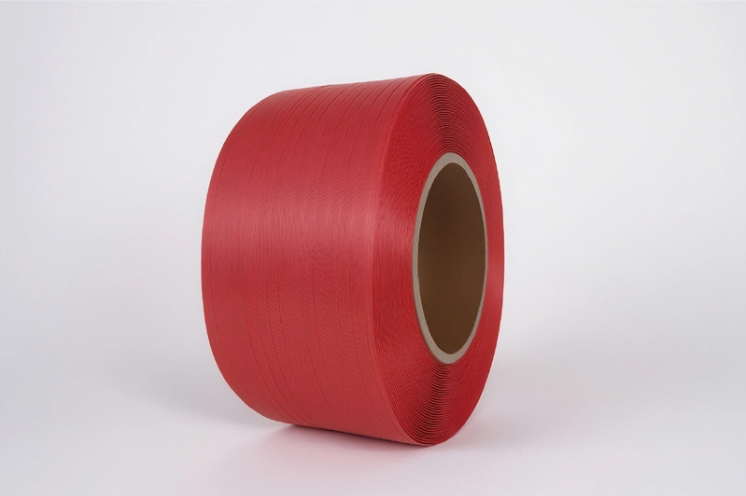
Picking the right PP strapping size is very important for businesses that need reliable, low-cost packaging options. PP strapping, which is made from polypropylene polymer, is very flexible and doesn't react badly with chemicals. It can be used to secure light to medium-duty loads. Knowing the exact sizes has a direct effect on how well operations run, how safe packages are, and how much materials cost generally. This complete guide helps purchasing managers, warehouse workers, and packaging experts understand the different sizes of polypropylene straps so they can improve their packing processes and keep products safe while they're being stored and shipped.
Understanding PP Strapping Specifications: Essential Parameters for Industrial Applications
These days, PP strapping has very specific requirements that tell us how well it works in different industry settings. When buyers know about these factors, they can make smart choices that balance cutting costs with meeting business needs.
Width Dimensions and Their Impact on Holding Strength
The most obvious factor that affects the performance of PP strapping is its width. Standard polypropylene straps come in widths ranging from 5 mm to 19 mm. Each width is used for a different reason in industry. Narrower widths, like 5–9 mm, are strong enough for light uses like bundling newspapers and binding small cartons. Medium widths (12–15 mm) are flexible enough for most packing needs, while wider widths (16–19 mm) give you the most holding power for tough jobs.
A straight link exists between the two variables, width and holding strength. Depending on the grade of the material and the quality of the making, every millimeter of width adds 15 to 25 kg of break strength. Based on the specific load characteristics, this linear relationship helps buyers figure out the best width needs.
Thickness Variations: From Light-Duty to Heavy-Duty Applications
The thickness ranges from 0.35mm to 0.8mm, which has a direct effect on the tensile strength and stability of the strap. For light-duty uses, 0.35–0.5 mm thickness is enough for goods that weigh up to 50 kg. For medium-duty uses, 0.6–0.7 mm thickness is needed for loads that weigh between 50 and 150 kg. For heavy-duty uses, 0.8 mm diameter is needed to safely handle packages weighing more than 150 kg.
The choice of thickness also affects how well equipment works and how compatible it is. When tensioning thicker straps, you need stronger tools, and automatic strapping machines may not be able to hold as many coils. Finding the right balance between thickness and operating needs is key to getting the best performance without spending too much on materials.
Core Diameter Specifications for Different Strapping Equipment
Core diameter specifications tell you what tools will work with what and how well it will run. Core diameters for standard PP strapping are either 200mm or 406mm, but custom measurements may be needed for certain uses. The 200mm core works with both manual and semi-automatic machines, making them easier to use and taking up less space. The 406mm core can fit high-speed automatic strapping lines, which means that the coil doesn't have to be changed as often.
Knowing the required core width keeps you from having to make expensive changes to your equipment and makes sure that it works well with your current packaging systems. To avoid problems with connectivity, buyers should check the specs of their equipment before placing an order.
Break Strength Ratings: Matching Load Requirements to Strap Capacity
For standard PP strapping sizes, the break strength ranges from 45 kg to 230 kg. This number shows how much force the strap can take before it breaks. It is the most important safety factor for holding a load. For industrial uses, a safety factor of two to three times the real load weight is usually needed to account for forces that change during transport.
Correctly choosing the break strength stops both over-specification (which costs extra) and under-specification (which raises the chance of package failure). Figuring out how the size of the strap affects its breaking strength lets you choose the right material for each job.
Standard PP Strapping Sizes: Industry Classifications and Common Applications
Standardized industry classifications make it easier to choose products while also making sure they have the right performance traits for each application. These categories are based on decades of testing and knowledge in the field.
Light-Duty Sizes (9-12mm): E-commerce and Consumer Goods Packaging
Light-duty PP strapping sizes work great in fulfillment centers for online shopping and packing for consumer goods, where packages rarely weigh more than 25 kg. The 9mm width and 0.5mm thickness give it a break strength of 85–110kg, making it good for sealing boxes with electronics, textiles, or medicines inside them. This size group is very cost-effective for activities with a lot of volume and stable load characteristics.
Because they work with high-speed automatic packaging tools and lower material costs, these dimensions are especially useful for e-commerce applications. Because these straps are so light, they reduce the weight of shipping while still protecting most consumer goods well.
Medium-Duty Sizes (13-16mm): Industrial Components and Pallet Securing
Most workplace packaging needs are met by medium-duty classifications, which have break strengths between 120 and 180 kg. These sizes work well for securing pallets, packing industrial parts, and general office work. The 15.5mm width is the standard in the industry for a wide range of uses because it strikes the best balance between strength, cost, and machine compatibility.
These specifications are very important for the manufacturing businesses because they keep appliances, auto parts, and machinery parts safe. Due to their stable dimensions and consistent performance, medium-duty sizes are perfect for automated packing lines that need reliable feed mechanisms.
Heavy-Duty Sizes (19-25mm): Construction Materials and Steel Coils
Heavy-duty polypropylene strapping is used for tough jobs like securing steel coils, wood packaging, and building materials. With these specs, the break forces go over 200 kg, and the safety benefits of plastic strapping over steel ones are still there. The 19mm width is the widest that normal PP strapping can get before switching to more specialized PET materials.
The safety features and corrosion resistance of heavy-duty PP strapping make it useful in the construction business. Unlike steel alternatives, polypropylene stays strong even when used outside, and there are no risks of getting hurt from sharp edges or quick failure.
Extra Heavy-Duty Sizes (32mm+): Lumber, Concrete Products, and Extreme Loads
Extra heavy-duty uses usually go beyond what standard PP strapping can handle, so it's time to switch to PET strapping materials. But certain types of polypropylene can be made in sizes of up to 32 mm for uses that need the benefits of plastic strapping. These very strict requirements are for niche markets where steel strapping is unsafe but still needs to be very strong.
Lumber companies and companies that make concrete products use these specs when standard ones don't work well enough. Because extra heavy-duty PP strapping is so unique, it usually needs to be made to order and takes longer to arrive.
Size Selection Criteria: Matching Strap Specifications to Application Requirements
Systematic selection factors make sure that the best performance is achieved while keeping costs and operational complexity to a minimum. Understanding these factors helps procurement managers make decisions based on facts.
Load Weight Analysis: Calculating Required Tensile Strength
Load weight analysis starts with getting an exact package weight that takes into account the contents, the packaging materials, and any moisture absorption. To make sure they have enough safety gaps, industrial buyers should figure out the total system weight instead of just the product weight. The usual safety factor is between two and three times the weight of the static load. This takes into account the forces that change during transport and handling.
When calculating a dynamic load, acceleration forces, vibration effects, and possible impact situations are all taken into account. Forklifts are used a lot in warehouses, so they need higher safety standards than controlled conveyor systems. Understanding how load changes over time keeps packages from breaking and keeps costs from going up from over-specification.
Package Geometry Considerations: Shape, Size, and Stress Distribution
The shape of the package has a big effect on how well the strap works and what size it needs to be. Sharp, rectangular packages put most of the stress at the points where they touch, so bigger straps are needed to spread the forces out evenly. Different stress patterns are created by cylindrical packages like steel coils, so they usually need more than one type of strap arrangement to stay stable.
Stress distribution research helps figure out where and how big to put the straps. For packages with odd shapes, you might need to make your own polypropylene band patterns or make changes to your special tools. Understanding how shape affects things stops packages from warping and makes sure that loads are securely contained.
Environmental Factors: Temperature, Humidity, and Storage Duration Impact
The environment has a direct effect on how well PP strapping works and what sizes are needed. Changes in temperature cause materials to expand and contract, which could affect the tightness of the straps over time. The amount of humidity affects the size of the package, especially for materials that absorb water, like paper or fabrics.
When storing things for a long time or shipping them across foreign borders, the length of storage becomes very important. Long-term exposure to changes in the surroundings might need higher safety factors or different materials. Understanding how things affect the surroundings helps keep packages safe during the whole distribution process.
Equipment Compatibility: Manual, Semi-Automatic, and Automatic System Requirements
Size ranges that are possible and working efficiency depend on how well the equipment works with each other. For effective feeding mechanisms, automatic systems need exact size tolerances, while manual strapping tools can work with narrower width ranges and lighter materials. These needs can be met by semi-automatic equipment, which is flexible and can work at a modest speed.
Some things to think about when integrating are systems for handling coils, tools for tensioning them, and equipment for sealing them. Size choices are often limited by the equipment that is already in place, so it's important to find the best mix between material properties and system compatibility.
Cost-Performance Optimization: Balancing Material Costs with Security Needs
To optimize cost-performance, you need to look at everything from the cost of materials to how efficiently they are used and how to lower the risk of failure. Even though bigger straps cost more per linear meter, they may use less material overall because they hold more. Knowing this balance lets you make smart buying choices that keep the total cost of packaging as low as possible.
Performance optimization also takes into account operational factors such as the speed of the application, the amount of training needed for operators, and the frequency of upkeep. When you look at all of your running costs, the lowest cost of materials is rarely the best economic choice.
Technical Specifications and Quality Standards for Size Selection
Technical specifications provide the foundation for informed purchasing decisions, ensuring product performance meets operational requirements while maintaining cost efficiency.
Tensile Strength Ratings: Understanding Break Load vs Working Load Limits
Break load represents the ultimate failure point under controlled testing conditions, while working load limits indicate safe operational parameters. Working loads typically range from 25-33% of break strength, providing adequate safety margins for normal operations. Understanding this relationship prevents overloading while maximizing strap utilization.
Testing standards like ASTM D3953 provide standardized measurement protocols ensuring consistent specification reporting across manufacturers. These standards enable reliable performance comparisons and specification verification through independent testing when required.
Elongation Properties: How Stretch Affects Package Security?
PP strapping exhibits significant elongation characteristics, typically stretching 10-15% before failure. This property provides shock absorption during transportation but may cause tension loss over extended periods. Understanding elongation effects helps determine appropriate initial tension settings and long-term performance expectations.
Elongation benefits include improved package conformity and reduced damage from impact loads. However, excessive elongation may compromise package security, particularly for rigid loads requiring constant tension maintenance.
Temperature Performance: Size Stability Across Operating Conditions
Temperature variations affect PP strapping dimensions and mechanical properties. Material expansion coefficients indicate dimensional changes across temperature ranges, typically 1-2% per 10°C variation. Cold temperatures increase material stiffness while reducing elongation, potentially affecting equipment operation and package security.
Understanding temperature effects enables appropriate material selection for specific environmental conditions. Applications with significant temperature variations may require larger safety factors or alternative materials with superior dimensional stability.
Quality Control Testing: Dimensional Tolerance and Consistency Standards
Dimensional tolerance specifications ensure consistent equipment compatibility and predictable performance. Standard tolerances range from ±0.1mm for width and ±0.05mm for thickness, with tighter tolerances available for critical applications. Consistent dimensions prevent equipment jamming and ensure reliable automatic operation.
Quality control testing protocols include dimensional verification, tensile strength testing, and elongation measurement. Understanding these protocols enables appropriate supplier evaluation and incoming inspection procedures.
Equipment Compatibility and Size Optimization
Equipment compatibility considerations determine operational efficiency and material utilization rates while influencing overall packaging system performance.
Manual Strapping Tools: Size Limitations and Ergonomic Considerations
Manual polypropylene strapping band tools accommodate specific size ranges while considering operator ergonomics and safety requirements. Standard manual tools handle 9-19mm widths with 0.5-0.8mm thickness, though extreme dimensions may require specialized equipment. Tool selection affects operator fatigue and productivity, particularly during extended operation periods.
Ergonomic considerations include tool weight, grip design, and tensioning force requirements. Wider straps require greater tensioning forces, potentially causing operator fatigue or injury risks. Balancing strap performance with operator comfort ensures sustainable operational practices.
Semi-Automatic Systems: Feed Mechanism and Size Compatibility
Semi-automatic equipment offers improved productivity while maintaining operator control over critical functions. Feed mechanisms accommodate specific dimensional ranges, typically 12-19mm width with standard thickness variations. Understanding compatibility requirements prevents equipment modifications and ensures reliable operation.
Semi-automatic systems provide excellent flexibility for varying package sizes while maintaining reasonable productivity levels. Size optimization within equipment constraints maximizes operational efficiency without compromising package security.
Fully Automatic Lines: High-Speed Production Requirements
Fully automatic strapping lines demand precise dimensional tolerances and consistent material properties for reliable high-speed operation. These systems typically accommodate 13-16mm widths with tight tolerance requirements, prioritizing operational reliability over dimensional flexibility.
High-speed applications require careful material selection balancing performance requirements with feeding reliability. Dimensional consistency becomes critical for preventing equipment downtime and maintaining productivity targets.
Dispensing Equipment: Coil Handling and Size Management
Dispensing equipment design affects coil capacity and handling efficiency. Larger core diameters provide extended operating periods but require robust handling equipment. Understanding dispensing system capabilities ensures optimal coil sizing and operational efficiency.
Coil weight considerations affect operator safety and handling requirements. Heavier coils may require mechanical handling equipment, influencing facility layout and operational procedures.
Procurement Best Practices: Sizing for Cost-Effective Operations
Strategic procurement practices optimize material costs while ensuring reliable supply and consistent quality performance across operational requirements.
Volume Calculations: Determining Optimal Order Quantities
Volume calculations balance inventory carrying costs with quantity discounts and supply security requirements. Annual usage projections provide the foundation for strategic purchasing decisions while considering seasonal variations and growth projections.
Economic order quantity calculations help determine optimal purchase volumes considering inventory costs, administrative expenses, and quantity pricing structures. These calculations enable cost-effective procurement while maintaining adequate inventory levels.
Inventory Management: Size Standardization Strategies
Size standardization reduces inventory complexity while improving operational efficiency. Most operations benefit from standardizing on 2-3 core sizes covering light-duty, medium-duty, and heavy-duty applications. This approach simplifies inventory management while reducing operator training requirements.
Standardization strategies must balance operational flexibility with inventory efficiency. Excessive standardization may compromise performance for specific applications, while too many sizes increase complexity and costs.
Supplier Evaluation: Quality Consistency and Size Accuracy Assessment
Supplier evaluation criteria should emphasize dimensional consistency and quality reliability rather than solely focusing on unit pricing. Quality suppliers provide detailed technical documentation and consistent product specifications, reducing operational risks and ensuring predictable performance.
Assessment protocols should include dimensional verification testing, performance validation, and supply reliability evaluation. Understanding supplier capabilities enables strategic partnerships that improve operational efficiency.
Total Cost of Ownership: Beyond Unit Price Considerations
Total cost analysis includes material costs, operational efficiency, failure risks, and administrative expenses. While premium materials may cost more initially, they often provide superior total value through improved operational efficiency and reduced failure risks.
Understanding total ownership costs enables strategic purchasing decisions that optimize long-term operational performance rather than minimizing initial material expenses.
Conclusion
Selecting optimal PP band sizes requires comprehensive understanding of application requirements, material properties, and operational constraints. This guide provides industrial buyers with systematic approaches for evaluating specifications while balancing performance needs with cost efficiency. Understanding the relationship between dimensions, break strength, and application requirements enables informed purchasing decisions that optimize packaging operations. Successful size selection considers load characteristics, environmental factors, equipment compatibility, and total cost implications rather than focusing solely on initial material costs.
FAQ
What is the most versatile PP strapping size for general industrial use?
The 15.5mm x 0.8mm specification offers optimal versatility for most industrial applications, providing break strengths between 170-200kg while maintaining compatibility with standard equipment. This size handles medium-duty requirements efficiently while offering reasonable cost per unit strength. The dimensional characteristics suit both manual and automatic application methods, making it ideal for operations requiring operational flexibility.
How do I calculate the right PP strapping size for my specific load requirements?
Calculate total package weight including contents and packaging materials, then multiply by a safety factor of 2-3 depending on handling conditions and transportation requirements. Select PP strapping with break strength exceeding your calculated requirement. Consider dynamic loading factors like vibration, acceleration, and potential impact scenarios when determining safety factors.
Can I use different PP strapping sizes on the same packaging line?
Using multiple sizes reduces operational efficiency and increases complexity. Most successful operations standardize on 2-3 sizes maximum to cover their application range. This approach simplifies inventory management, reduces operator training requirements, and improves equipment utilization while maintaining adequate performance across different package types.
Partner with Jushuo Packaging for Optimal PP Strapping Solutions
Jushuo Packaging leverages over a decade of manufacturing expertise to deliver precision-engineered PP strapping solutions tailored to your specific operational requirements. Our 15,000㎡ facility utilizes advanced Italian screen changers and cold-drawing technology, ensuring consistent dimensional tolerances and superior break strength characteristics. With annual production exceeding 20,000 tons and a 99% quality pass rate, we provide reliable polypropylene strapping that minimizes operational disruptions while optimizing packaging costs. Contact our technical specialists at sales@jushuopackaging.com to discuss your specific size requirements and receive customized recommendations based on your application parameters.
References
American Society for Testing and Materials. "Standard Test Methods for Strapping Materials." ASTM International Standards Manual, 2023.
International Organization for Standardization. "Packaging Materials - Polypropylene Strapping Specifications and Testing Methods." ISO Technical Committee Report, 2023.
Industrial Packaging Association. "Comparative Analysis of Plastic Strapping Materials in Industrial Applications." Annual Technical Report, 2023.
Packaging Machinery Manufacturers Institute. "Equipment Compatibility Guidelines for Polypropylene Strapping Systems." Technical Publication Series, 2023.
National Institute of Standards and Technology. "Dimensional Stability and Performance Characteristics of Thermoplastic Strapping Materials." Materials Science Research Publication, 2023.
Society of Packaging and Handling Engineers. "Best Practices for Industrial Strapping Size Selection and Application Methods." Professional Development Series, 2023.

 English
 العربية
 Français
 Русский
 Español
 Português
 Deutsch
 italiano
 日本語
日本語 한국어
한국어 Nederlands
 Tiếng Việt
 ไทย
ไทย Polski
 Türkçe
 አማርኛ
አማርኛ ພາສາລາວ
 ភាសាខ្មែរ
 Bahasa Melayu
 ဗမာစာ
ဗမာစာ தமிழ்
தமிழ் Filipino
 Bahasa Indonesia
 magyar
 Română
 Čeština
 Монгол
 қазақ
қазақ Српски
 हिन्दी
 فارسی
فارسی Kiswahili
 Slovenčina
 Slovenščina
 Norsk
Norsk Svenska
 українська
 Ελληνικά
 Suomi
Suomi Հայերեն
 עברית
עברית Latine
 Dansk
Dansk اردو
اردو Shqip
Shqip বাংলা
বাংলা Hrvatski
 Afrikaans
 Gaeilge
 Eesti keel
 Māori
Māori සිංහල
සිංහල नेपाली
 Oʻzbekcha
 latviešu
 অসমীয়া
 Aymara
 Azərbaycan dili
 Bamanankan
 Euskara
 Беларуская мова
 भोजपुरी
 Bosanski
 Български
 Català
 Cebuano
 Corsu
Corsu ދިވެހި
 डोग्रिड ने दी
 Esperanto
 Eʋegbe
 Frysk
Frysk Galego
 ქართული
 guarani
 ગુજરાતી
 Kreyòl ayisyen
 Hausa
Hausa ʻŌlelo Hawaiʻi
 Hmoob
Hmoob íslenska
 Igbo
Igbo Ilocano
 Basa Jawa
 ಕನ್ನಡ
ಕನ್ನಡ Kinyarwanda
 गोंगेन हें नांव
 Krio we dɛn kɔl Krio
 Kurdî
Kurdî Kurdî
Kurdî Кыргызча
 Lingala
 Lietuvių
 Oluganda
 Lëtzebuergesch
 Македонски
 मैथिली
 Malagasy
 മലയാളം
 Malti
Malti मराठी
मराठी ꯃꯦꯇꯥꯏ (ꯃꯅꯤꯄꯨꯔꯤ) ꯴.
 Mizo tawng
 Chichewa
 ଓଡ଼ିଆ
ଓଡ଼ିଆ Afaan Oromoo
 پښتو
پښتو ਪੰਜਾਬੀ
 Runasimi
 Gagana Samoa
 संस्कृत
 Gaelo Albannach
 Sepeti
 Sesotho
 chiShona
 سنڌي
سنڌي Soomaali
 Basa Sunda
 Wikang Tagalog
 Тоҷикӣ
 Татарча
 తెలుగు
 ትግንያውያን
 Xitsonga
 Türkmençe
 संस्कृत
 ئۇيغۇرچە
 Cymraeg
 isiXhosa
 ייִדיש
 Yorùbá
 isiZulu


