PP strapping is one of the most important parts of foreign shipping and export packing for making sure that rules are followed and cargo is safe. This strapping material is made from polypropylene and is both light and strong. It is an important part of meeting international packing standards and keeping things safe while they're in transit. Knowing the right rules for compliance can make the difference between a quick and easy customs clearance process and delays that cost you money and hurt your bottom line.
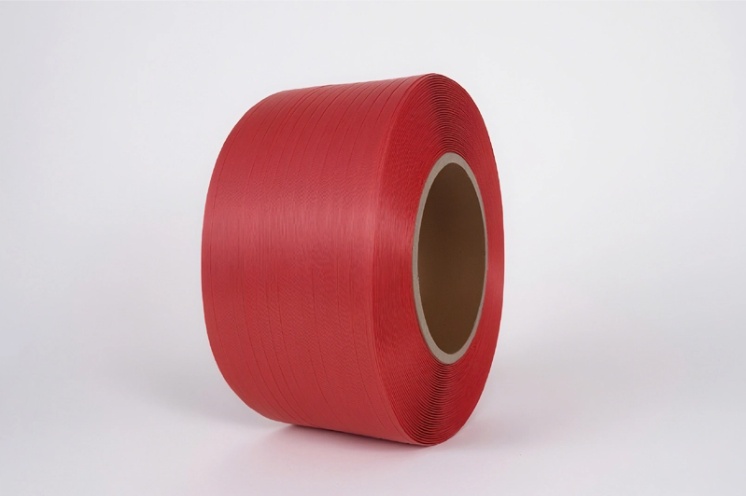
Understanding PP Strapping and Its Role in Export Compliance
Polypropylene resin is used to make PP strapping, which is a thermoplastic polymer solution that has changed the packing industry because it is strong, flexible, and cheap. This man-made material is very resistant to water, chemicals, and other environmental factors that can affect foreign packages during long transport times.
Material Properties That Drive Compliance
Polypropylene strapping is very light, which makes it a great choice for exporting, where shipping costs are directly related to package weight. Unlike traditional steel strapping options, this plastic strapping solution has great elongation qualities that keep the tension even when the goods moves during shipping. These features make sure that the structure of the packaging stays the same on its way from the source to the destination.
To follow foreign rules, you must first understand what the material requirements are. Depending on the purpose, modern PP strapping can be anywhere from 5 to 19 mm wide and 0.35 to 0.8 mm thick. It can also break at any point between 45 and 230 kg. These rules are the same as the EU's packaging guidelines and the ISPM 15 standards for wooden packaging. These rules protect the earth and people.
Regulatory Framework for International Shipping
To be compliant with export laws, you have to find your way through complicated legal settings in many different countries. The foreign Standards for Phytosanitary Measures (ISPM 15) talk about packaging materials used in foreign trade. At the same time, European Union directives set rules for plastic packing materials that are good for the environment. Knowing about these frameworks helps procurement managers choose the right strapping options that meet the needs of both the start and the end.
Using certified polypropylene strapping cuts down on the chances of customs delays, shipping rejects, and claims of cargo damage by a large amount. When working with high-value electronics, sensitive agricultural goods, or manufacturing parts that need to be handled in a certain way during foreign transit, compliance paperwork is even more important.
Types and Specifications of PP Strapping for Export Use
Different types of polypropylene straps are now available to meet the needs of different export markets around the world. When procurement experts know about these differences, they can match specific strapping solutions with different cargo safety needs while still following the rules in different legal settings.
Flat Profile vs. Rounded Profile Applications
Flat profile strapping is most often used for exports because it has a larger surface area and better gripping properties. This setup gives the best tension distribution across the package surfaces, which makes it great for keeping mixed goods on stacks or packing things that aren't all the same shape. The flat shape also makes it easier for automatic strapping machines, which are popular in fulfillment centers with a lot of orders, to work smoothly.
Options with a rounded shape are useful in certain situations where flexibility is more important than maximum strain. These types work best when they need to be handled a lot or when the contents of the package could move around a lot during long shipping rounds.
Key Specifications That Matter for Export Success
Tensile strength is the most important thing to think about when looking at polypropylene straps for export uses. Breaking strengths between 45 kg and 230 kg can be used for a wide range of tasks, from light-duty tasks like packing cartons to heavy-duty tasks like secure pallets. Changes in thickness between 0.35mm and 0.8mm give you more ways to customize it, so you can find the best mix between cost and function.
When you compare PP band to other materials, you can see that there are some important trade-offs that affect how you follow export rules. For greater strength, steel binding is better, but it adds weight and could be dangerous to handle. Polyester-based options are stronger, but they cost more, which might not work for logistics companies that are trying to save money.
As environmental standards get stricter across global markets, thinking about how materials will affect the environment plays a bigger role in choosing what to use. Polypropylene strapping has big benefits over standard steel alternatives because it can be recycled and leaves less of an impact on the earth.
Ensuring Compliance: How to Use PP Strapping Correctly in Export Packaging?
When using polypropylene strapping systems for export, making sure they are legal starts with using the right application methods. Knowing the best ways to do things makes sure that packages stay intact while traveling through foreign customs and meet the rules set by different customs officials.
Step-by-Step Application Guidelines
The first step to successful strapping processes is choosing the right tools and making sure it is calibrated. Fully automatic binding machines made for polypropylene materials need to be set to a certain stress level to work with the stretchy nature of this synthetic material. For manual tasks, you need to pay close attention to the tensioning methods that provide the best safety without putting too much stress on the strapping material.
When tensioning, it's important to pay close attention to the load's properties and how it needs to be transported. Medium amounts of strain are good for light packages because they keep the package stable and don't damage the contents. For heavier loads, higher tension sets are needed to make sure that the strapping stays effective over long shipping rounds.
Common Pitfalls That Compromise Compliance
Overloading is one of the most common mistakes that people make when they are packing goods for sale. If you use more PP strapping than it's recommended for, it could fail catastrophically during transport, damaging the cargo and making things more difficult at customs. These expensive mistakes can be avoided by knowing the load limits and choosing the right binding specs.
Ignoring legal requirements that are specific to target markets increases the risk of not following the rules. Some places have strict rules about the materials used for packaging, like needing proof that they can be recycled or certificates of their chemical make-up. Keeping up with these changing standards will help you avoid shipping delays and possible fines.
Environmental Responsibility and Recycling Considerations
Polypropylene straps can be recycled in a way that supports environmentally friendly exports that are in line with business goals. This flexible material can be used again and again without breaking down much, which makes it an eco-friendly choice for businesses that want to lower their carbon footprint.
Knowing how to recycle at the places where goods are going helps sellers follow local environmental rules and show that they are responsible business owners. Many markets now need proof that packing materials can be recycled, so this knowledge is necessary to stay in line.
Procurement Strategies for Compliant PP Strapping in Global B2B Markets
To find dependable providers of polypropylene strapping band, you need to carefully consider a number of factors that affect both compliance and working efficiency. Cost and quality must be balanced by procurement managers, who must also make sure that sellers keep up with the appropriate certifications and quality standards.
Essential Supplier Criteria and Certifications
Quality management qualifications, such as ISO 9001 standards, give buyers basic peace of mind that sellers follow consistent quality control procedures. For European markets, REACH compliance paperwork is very important. Other regional certifications may be needed based on where the goods are being exported to.
The ability to manufacture has a direct effect on the accuracy and supply of a product. Suppliers with modern factories that use Italian screen switches and cold-drawing technology usually provide more consistent products, which lowers the risks of quality-related compliance. A production capacity of more than 20,000 tons per year means that the factory has been around for a while and can support stable supply lines.
Quality control methods have a big effect on how reliable and compliant a product is. Suppliers who get 99% pass rates through strict quality control show that they know how to use organized methods to make things that are good enough for sale. These measures directly lead to fewer problems after the sale and better business efficiency for buyers.
Cost Optimization and Quality Balance
When buying PP strapping, there are a lot of complicated trade-offs between short-term cost saves and long-term operating benefits. Buying in bulk can often save you a lot of money and keep your supply chain running smoothly for high-volume businesses. Branding choices that are customized add value by making it easier to recognize the brand and find the box.
When figuring out a price, you need to look at the total cost of ownership, not just the original cost of materials. High-quality binding materials may cost more, but they work better and decrease the number of claims for cargo damage, so they are worth it. When sending high-value goods abroad, these factors become even more important because the need to protect the package supports spending more on better materials.
There are several parts to the source integrity verification method that affect the results of compliance. Quality checks and site trips are great ways to get first-hand information about how things are made and how quality is controlled. Third-party approvals are another way to be sure that suppliers meet foreign standards for quality and caring for the environment.
Future Trends and Innovations in PP Strapping for Export Compliance
The polypropylene strapping business is still changing because of improvements in sustainable technology and better material performance. By knowing about these changes, procurement professionals can plan for future legal needs and give their companies a competitive edge.
Emerging Biodegradable and Recycled Materials
Biodegradable options to polypropylene are a big step forward in environmentally friendly packing. These materials keep working the same way as traditional formulas, but they are better at being compatible with the environment, so they meet stricter global environmental standards.
Using recycled materials in the production of polypropylene band supports the ideas of the circle economy while still meeting product performance standards. More recycled materials can be used thanks to new recycling technologies that don't hurt the tensile strength or longevity that are needed for export purposes.
Digital Solutions and Smart Packaging Integration
Modern tying systems have traceability features that make the supply chain more visible and help with compliance paperwork needs. With these digital solutions, you can check on the state and condition of packages in real time while they are traveling across foreign borders.
Supplier data systems make it easier for buyers and sellers to talk to each other openly, which speeds up the processes of checking for quality and compliance. These systems cut down on the work that needs to be done by administrators while also making sure that compliance paperwork, which is necessary for foreign shipping, is correct.
Conclusion
To be PP strapping compliant for export operations, you need to know a lot about the material's qualities, the rules that apply, and the best ways to use it. To be successful, you need to choose the right standards that meet the needs for cargo safety and make sure they are compliant with many different regulatory bodies. Choosing the right supplier, using the right methods, and checking the quality are all important parts of a reliable export packing business that keeps goods safe and follows all customs rules during foreign transit cycles.
FAQ
What are the key compliance requirements for PP strapping in international exports?
To be able to export polypropylene strapping internationally, it must meet ISPM 15 standards for packing materials, EU packaging guidelines for environmental safety, and rules that are specific to each market. Material makeup certificates, quality control records, and environmental compliance statements that show agreement with standards are some of the documents that are usually needed.
How do I select the right PP strapping specifications for my export needs?
The choice of specification relies on the weight of the cargo, the way of transport, and the needs of the location. Tensile strengths between 45 kg and 230 kg can be used to meet a variety of load needs, and differences in width and thickness allow for customization. Talking to experienced suppliers can help you match specs to the needs of a particular application while also making sure you're following all the rules.
What are the environmental benefits of using PP strapping for exports?
Polypropylene strapping is better for the earth because it can be recycled, is lighter than steel options, and leaves less of a carbon footprint when it is made. The material can be recovered more than once without losing any of its usefulness. This supports the circle economy and complies with stricter environmental rules in global markets.
Partner with Jushuo Packaging for Compliant PP Strapping Solutions
Jushuo Packaging brings over a decade of specialized expertise in manufacturing high-performance polypropylene strapping designed specifically for export compliance requirements. Our 15,000㎡ manufacturing facility utilizes Italian screen changers and advanced cold-drawing technology to ensure consistent quality that meets international standards. With annual production exceeding 20,000 tons and a 99% pass rate through rigorous quality control, we deliver reliable packaging solutions that minimize compliance risks for global exporters. Contact our experienced team at sales@jushuopackaging.com to discuss customized PP strapping specifications that meet your specific export packaging needs from a trusted manufacturer committed to excellence.
References
International Standards for Phytosanitary Measures No. 15: Regulation of Wood Packaging Material in International Trade. Food and Agriculture Organization of the United Nations, 2019.
European Parliament and Council Directive 94/62/EC on Packaging and Packaging Waste. Official Journal of the European Communities, 2018 Amendment.
Global Plastic Strapping Market Analysis: Trends, Applications, and Regulatory Compliance. Industrial Packaging Research Institute, 2023.
Best Practices for Export Packaging Compliance in International Trade. World Trade Organization Technical Barriers to Trade Committee, 2022.
Sustainable Packaging Materials for Global Supply Chains: A Comprehensive Analysis. International Packaging Technology Association, 2023.
Polypropylene Strapping: Performance Characteristics and Quality Standards for Industrial Applications. American Society for Testing and Materials, 2022.

 English
 العربية
 Français
 Русский
 Español
 Português
 Deutsch
 italiano
 日本語
日本語 한국어
한국어 Nederlands
 Tiếng Việt
 ไทย
ไทย Polski
 Türkçe
 አማርኛ
አማርኛ ພາສາລາວ
 ភាសាខ្មែរ
 Bahasa Melayu
 ဗမာစာ
ဗမာစာ தமிழ்
தமிழ் Filipino
 Bahasa Indonesia
 magyar
 Română
 Čeština
 Монгол
 қазақ
қазақ Српски
 हिन्दी
 فارسی
فارسی Kiswahili
 Slovenčina
 Slovenščina
 Norsk
Norsk Svenska
 українська
 Ελληνικά
 Suomi
Suomi Հայերեն
 עברית
עברית Latine
 Dansk
Dansk اردو
اردو Shqip
Shqip বাংলা
বাংলা Hrvatski
 Afrikaans
 Gaeilge
 Eesti keel
 Māori
Māori සිංහල
සිංහල नेपाली
 Oʻzbekcha
 latviešu
 অসমীয়া
 Aymara
 Azərbaycan dili
 Bamanankan
 Euskara
 Беларуская мова
 भोजपुरी
 Bosanski
 Български
 Català
 Cebuano
 Corsu
Corsu ދިވެހި
 डोग्रिड ने दी
 Esperanto
 Eʋegbe
 Frysk
Frysk Galego
 ქართული
 guarani
 ગુજરાતી
 Kreyòl ayisyen
 Hausa
Hausa ʻŌlelo Hawaiʻi
 Hmoob
Hmoob íslenska
 Igbo
Igbo Ilocano
 Basa Jawa
 ಕನ್ನಡ
ಕನ್ನಡ Kinyarwanda
 गोंगेन हें नांव
 Krio we dɛn kɔl Krio
 Kurdî
Kurdî Kurdî
Kurdî Кыргызча
 Lingala
 Lietuvių
 Oluganda
 Lëtzebuergesch
 Македонски
 मैथिली
 Malagasy
 മലയാളം
 Malti
Malti मराठी
मराठी ꯃꯦꯇꯥꯏ (ꯃꯅꯤꯄꯨꯔꯤ) ꯴.
 Mizo tawng
 Chichewa
 ଓଡ଼ିଆ
ଓଡ଼ିଆ Afaan Oromoo
 پښتو
پښتو ਪੰਜਾਬੀ
 Runasimi
 Gagana Samoa
 संस्कृत
 Gaelo Albannach
 Sepeti
 Sesotho
 chiShona
 سنڌي
سنڌي Soomaali
 Basa Sunda
 Wikang Tagalog
 Тоҷикӣ
 Татарча
 తెలుగు
 ትግንያውያን
 Xitsonga
 Türkmençe
 संस्कृत
 ئۇيغۇرچە
 Cymraeg
 isiXhosa
 ייִדיש
 Yorùbá
 isiZulu


