For logistics and storage tasks, PP strap is an important part of modern supply chain management. It is made of strong but lightweight polypropylene and is meant to hold pallets, cartons, and mixed goods in place. This thermoplastic strapping material has a high tensile strength and is also cost-effective and good for the environment. It is the first choice for procurement managers and warehouse operation heads who want reliable packaging solutions that work well with automated strapping systems in a wide range of industrial settings.
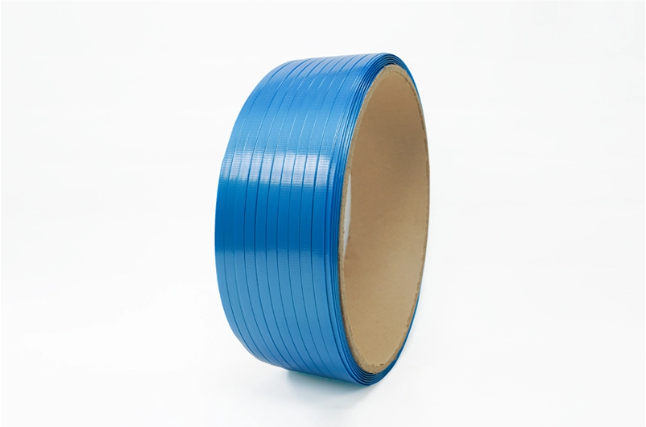
Understanding PP Strap: Material Properties and Specifications for Industrial Applications
What Makes Polypropylene Strapping Superior for Logistics
The way polypropylene molecules are arranged gives it special benefits for use in warehouses. For example, this thermoplastic polymer is very strong against chemicals, water, and changes in temperature that are typical in industrial settings. The polymer chains make the material naturally flexible while still having a high tensile strength. This lets the material handle shock loads without breaking completely.
The solid structure of polypropylene helps it last a long time and hold a lot of weight. Controlled cooling and molecular orientation during production in modern manufacturing methods make these natural properties even better. The finished product works the same way in all kinds of environments, which makes it perfect for places that deal with a lot of different kinds of products.
One thing that sets high-quality polypropylene binding apart is its ability to withstand changes in temperature. In a wide range of temperatures, from freezing storage to heated warehouses, the material keeps its structural stability. This temperature stability makes sure that the security always works, even when the weather changes or when special storage needs arise.
PP Strap vs. Alternative Strapping Materials: A Technical Comparison
When you compare polypropylene strapping to steel options, you can see that it is safer, easier to handle, and cheaper. When steel strapping is put on or taken off, it can hurt people, needs special tools, and makes packages much heavier. Polypropylene gets rid of these worries and provides enough holding power for most transportation tasks.
When you compare polypropylene and polyethylene terephthalate, you can see that they are used for different things. PET strapping has a higher tensile strength and less elongation, so it can be used for heavy-duty tasks that need the most holding force. However, polypropylene is more adaptable and less expensive for normal warehouse tasks that involve a mix of goods and mild load weights.
When choosing materials, criteria should take into account the features of the load, the conditions of transportation, and the need for automation. Polypropylene works great in situations where it needs to be flexible, resistant to chemicals, and able to work with fast automatic tying machines. Because the material is flexible, it can handle loads with odd forms without creating stress points that could damage the integrity of the package.
Key Specifications and Thickness Guidelines
Polypropylene strapping comes in standard widths ranging from 5mm to 19mm, so it can be used for a wide range of packing needs, from bundling light cartons to securing heavy pallets. Changes in thickness from 0.35 mm to 0.8 mm allow breaking forces from 45 kg to 230 kg, which makes it possible to precisely fit the properties of a material to the needs of a load.
Breaking strength scores are directly related to cross-sectional area and the quality of the material. High-quality polypropylene keeps the same molecular structure across the whole cross-section of the strap, so it works reliably even when the load changes. Quality manufacturing methods keep internal stress levels as low as possible so that products don't break down too soon.
Color-coding systems make operations more efficient by making it easy to see what straps are used for and how they should be used. Custom printing lets you keep track of your inventory, identify your business, and track your products all the way through the supply chain. These features are especially useful in places that deal with a lot of different product lines or customers with different needs.
Critical Applications of PP Strap in Modern Warehousing Operations
Pallet Stabilization and Load Securing
To strap pallets properly, you need to know how loads move and how stress is distributed. Vertical strapping keeps things from moving around while they're being moved, and horizontal strapping prevents compression and keeps the unit together. When you use these ways together, you get full load protection that covers all possible failure scenarios.
When you use the right methods, you place the straps in a way that evenly distributes the weight across the surface of the pallet. Corner safety and edge reinforcement keep the strap from getting cut or worn down, which could weaken it. In more advanced facilities, pp strap roll processes are combined with automated pallet wrapping systems to make stronger security.
Load shape has a big effect on how well strapping works. To keep the load from shifting, irregular shapes need more securing places and special methods. When warehouse workers know these standards, they can change how they strap different types of products while still getting the same level of security.
Carton Bundling and Unit Load Formation
The flexibility and adhesion qualities of polypropylene are used in multi-package bundling to make stable unit loads from individual cartons. This way of doing things makes handling easier while still letting packages be easily inspected and sorted. The material's ability to mold to rough surfaces makes sure that the pressure is evenly distributed across bundled things.
Standardized bundling configurations make it easier to sort and redistribute goods quickly, which is good for cross-docking activities. Polypropylene strapping makes it easy to separate and identify groups of products while keeping the structure of the unit during high-speed handling. The material's resistance to wear and tear guarantees reliable performance over many handling rounds.
When bundled goods are stored and shipped, they are subject to stacking loads, which makes compression resistance very important. Good polypropylene strapping keeps its tightness over long periods of time, which stops bundles from deforming in ways that could hurt the quality of the product or make handling more difficult. This trait is very important for places that store things for long periods of time.
Heavy-Duty Applications and Specialized Use Cases
Construction materials need strapping options that can hold together forms that aren't perfectly round and handle heavy loads. Polypropylene is flexible enough to work with the sharp edges that are common in building supplies, but strong enough to safely handle and move. Because the material is resistant to water and chemicals, it can be used in tough building sites.
Many parts of cars have sensitive areas that need to be kept safe from strapping pressure and wear and tear. Specialized forms of polyethylene provide the necessary holding power while lowering the pressure on the surface. The material's even thickness and smooth surface make it less likely that parts will get damaged while they are being secured.
Materials used in food-grade uses must meet strict safety and contamination prevention standards. Certified polypropylene strapping goes through a lot of tests to make sure it meets the rules for food contact while still having the performance qualities needed for warehouse operations to run smoothly.
Manual vs. Automated PP Strapping Systems: Choosing the Right Solution
Manual Strapping Tools and Techniques
The choice of hand tools has a big effect on how productive a user is and how well quality is maintained. Some ergonomic factors that affect long-term operator comfort and effectiveness are tool weight, grip design, and the amount of force needed for operations. Modern hand tools have features that keep precise tension control while reducing repeated stress.
Different tensioning methods are used depending on the load and the limitations of the task. With the right training, operators can keep tension levels steady while avoiding over-tensioning, which could damage goods or cause too much stress to build up. Standardized processes make sure that the quality of security is the same for all operators and shifts.
Safety rules include the right way to use tools, what personal protective equipment is needed, and how to handle releasing strap tension. Full training programs cover both normal activities and what to do in an emergency, making sure that safe handling is done at all times.
Semi-Automatic Strapping Equipment
When compared to manual methods, desktop strapping machines are much more productive while still being a fair investment. These systems make the tensioning and sealing processes consistent, so there is no room for error on the part of the operator and less work needs to be done. Most of the time, integrating with current packaging lines doesn't require many changes to the facility.
Mobile strapping units make it easy to secure goods across big warehouse areas without having to move the goods to fixed stations. Battery-powered systems give you more operational freedom while still having the accuracy and consistency of automated equipment. These options are especially helpful for facilities that deal with a range of product sizes and unpredictable schedules.
When figuring out the return on investment, you have to take into account things like lower labor costs, better consistency, less material waste, and more output. Payback times are usually between 12 and 24 months, but they depend on the size of the business and the cost of labor. Compared to manual processes, automation often leads to productivity gains of more than 40%.
Fully Automated Strapping Systems
Automatic high-speed strapping tools work perfectly with conveyor systems so that continuous securing can be done without any help from a person. With these methods, you can make more than 30 packages per minute while still controlling the tension perfectly and getting a good seal. Advanced sensors make sure that the polypropylene strapping rolls are in the right place and find problems before they affect activities.
Careful thought needs to be given to package spacing, changes in height, and system timing when a conveyor is being put together. Modern automatic strapping systems can handle a range of package sizes thanks to guides and sensors that can be adjusted automatically when needs change. This adaptability is very important for centers that deal with different types of product streams.
Regular lubrication, cleaning of the seal heads, and occasional calibration are all maintenance tasks that must be done to make sure the machine always works the same way. Sensor data is used by predictive maintenance programs to find possible problems before they stop operations. With the right upkeep procedures, systems are usually available more than 95% of the time.
Cost Optimization and Procurement Strategies for PP Strapping
Total Cost of Ownership Analysis
The cost of materials is only one part of the total cost of binding. When looking at labor efficiency, things like operator time, training needs, and how strapping processes affect overall throughput are things that need to be thought about. Automated systems usually cut the amount of work that needs to be done by 40 to 60 percent while also making things more consistent and cutting down on waste.
Prior to making an equipment investment choice, one must carefully consider the initial investment needed, the costs of setup, the cost of training, and the ongoing maintenance requirements. Leasing choices give facilities that don't have a lot of money other options while still letting them use the latest technology. When comparing total costs, you should look at more than just straight costs. You should also look at quality improvements and increased productivity.
Strategies for reducing waste include using the right amount of strain to get the most out of the material, storing it properly to keep it from breaking down, and recycling programs for old strapping materials. Advanced facilities get more than 98% of their materials to be used by carefully optimizing their processes and teaching their operators.
Supplier Selection and Quality Assurance
Manufacturer certification standards make sure that the quality and performance of materials are always the same. Systematic quality management is shown by ISO 9001 certification, while industry-specific certifications cover unique needs, like food safety or automotive quality standards. Supplier audits make sure that quality processes and manufacturing capabilities are being followed.
Strategies for buying in bulk weigh the costs of keeping goods against the benefits of lower prices for larger orders. When negotiating a contract, the parties should talk about price security, flexible delivery schedules, and quality guarantee terms. Most of the time, long-term relationships are more valuable than buying things at the lowest price.
Reliability in the supply chain includes the ability to distribute goods geographically, handle inventory, and plan for what to do if something goes wrong. When it comes to supply interruptions that could affect operations, suppliers with different manufacturing locations and strong distribution networks offer more protection.
Sustainability and Environmental Compliance
One big benefit of polypropylene strapping over other materials is that it can be recycled. Because it is thermoplastic, it can be used to make new things, which supports the circular economy and has less of an impact on the earth. A lot of places have programs that collect used strapping so that it can be recycled.
Some ways to lower your carbon impact are to use efficient packaging to make shipping easier, to cut down on material waste, and to choose suppliers who use sustainable manufacturing methods. Life cycle studies show that polypropylene is better for the environment than steel alternatives when production, transportation, and disposal are all taken into account.
Regulatory compliance standards vary by business and location, but they are becoming more and more concerned with the sustainability of packaging. Facilities that are proactive set up environmental management systems that go above and beyond what is required and prepare for future changes to the law.
Implementation Best Practices and Performance Optimization
Operational Workflow Integration
Standard operating procedures set up regular ways of doing things that make sure security works well and boost productivity. Procedures for setting up tools, moving materials, checking for quality, and fixing problems should be written down. Updates to procedures on a regular basis include lessons learned and new technology.
Before items go into transportation or storage systems, quality control checkpoints make sure the pp strap rolls are in the right place, that the tension is right, and that the seals are still good. Automated testing systems find problems with the security that could put the load at risk and give information for programs that keep making things better.
Cross-training programs make sure that operations don't stop when staff or shifts change. In-depth training covers how to use tools, follow safety rules, meet quality standards, and fix problems. Certification programs make sure that operators are qualified and give them a way to keep improving their skills.
Troubleshooting Common Issues
To find out why something broke, strap breaking analysis looks at the type of material used, how it was tensioned, and how it was applied. Some common causes are too much tension, the wrong seal temperature, contaminated sealing surfaces, and material degradation from bad keeping. Systematic investigation methods make it possible to solve problems quickly.
To figure out why a seal failed, you need to know how temperature, pressure, and dwell time work together in thermal sealing processes. Seals often fail because the temperature settings are wrong, the sealing elements are worn, or the sealing surfaces are dirty. Many problems with seals can be avoided by doing regular repair.
Maintenance plans for equipment list regular tasks like lubrication, part replacement, and calibration. Most of the time, preventive maintenance programs greatly reduce unexpected downtime and increase the useful life of equipment. Tracking tools for maintenance give information that can be used to find problems that keep happening and improve service intervals.
Performance Monitoring and Continuous Improvement
Some key success indicators are the amount of time it takes to secure a package, how well materials are used, the number of quality defects, and the availability of equipment. Data collection tools let you look at trends and find ways to make things better. Comparing performance to business standards gives performance reviews some background.
Statistical process control methods keep an eye on important factors like strap tightness, seal strength, and consistency of application. Control charts find changes in the process that could affect quality and let you know about problems before they happen. Regular capacity studies check that the process is working as expected.
Continuous improvement programs use comments from employees, analysis of performance data, and new technologies to make things run more smoothly. Structured growth methods, like Six Sigma, give you a way to solve problems and make your processes better in a planned way.
Future Trends and Technology Innovations in PP Strapping
Smart Packaging and IoT Integration
Internet of Things sensors embedded in packaging systems enable real-time monitoring of securing forces, environmental conditions, and handling stresses. This data provides insights into transportation conditions and helps optimize packaging specifications for specific supply chain routes. Advanced analytics identify patterns that could predict packaging failures.
RFID integration enables automated tracking of secured packages throughout the supply chain while providing data on securing system performance. Smart labels can monitor temperature exposure, impact events, and other factors that could affect product quality or securing integrity.
Predictive maintenance systems utilize sensor data from strapping equipment to optimize maintenance scheduling and prevent unexpected failures. Machine learning algorithms identify patterns in equipment behavior that indicate developing issues before they impact operations.
Sustainable Material Innovations
Bio-based polypropylene development represents the next evolution in sustainable packaging materials. These materials maintain the performance characteristics of traditional polypropylene while reducing dependence on fossil fuel feedstocks. Commercial production scales are expanding to support broader adoption.
Enhanced recyclability initiatives focus on improving collection systems, contamination prevention, and processing technologies that maintain material properties through multiple recycling cycles. Closed-loop systems enable continuous material circulation without quality degradation.
Biodegradable alternatives address specific applications where material recovery proves impractical. Research focuses on maintaining adequate performance characteristics while ensuring complete biodegradation under appropriate conditions.
Industry 4.0 and Automation Advancement
Machine learning optimization analyzes packaging parameters, product characteristics, and performance outcomes to identify optimal pp strap configurations. These systems continuously adapt to changing conditions while maintaining quality standards and minimizing material usage.
Robotic integration enables fully automated packaging lines that adapt to diverse product mixes without manual reconfiguration. Advanced vision systems guide robotic strapping operations while quality sensors verify securing effectiveness.
Digital twin technology creates virtual models of packaging operations that enable simulation-based optimization and predictive analysis. These systems support scenario planning and process improvement without disrupting actual operations.
Conclusion
Polypropylene strapping continues to evolve as the preferred choice for logistics and warehousing operations seeking reliable, cost-effective packaging solutions. The material's unique combination of strength, flexibility, and sustainability positions it well for future supply chain requirements. Successful implementation requires careful consideration of application requirements, equipment selection, and operational integration to maximize performance benefits while optimizing costs.
FAQ
What thickness of polypropylene strapping suits standard pallet loads?
For typical warehouse pallets weighing 500-1000 kg, 15.5-19mm width strapping with 0.8-1.0mm thickness provides optimal balance between securing force and cost efficiency. Load geometry and transportation conditions influence final specifications.
How do environmental conditions affect strapping performance?
Polypropylene maintains consistent performance across typical warehouse temperatures from -10°C to +60°C. Extreme conditions may require specialized formulations or adjusted tensioning parameters to compensate for material property changes.
What factors determine automated vs manual strapping selection?
Decision factors include package volume, labor costs, consistency requirements, and integration needs with existing equipment. Automated systems typically justify investment when processing exceeds 100 packages daily with consistent size ranges.
Partner with Jushuo Packaging for Premium PP Strap Solutions
Jushuo Packaging delivers industry-leading polypropylene strapping solutions engineered specifically for demanding logistics and warehousing applications. Our advanced manufacturing facility utilizes Italian screen changers and precision cold-drawing technology to produce strapping with exceptional tensile strength and consistency. With over a decade of specialization in PP and PET strapping manufacturing, we maintain a 99% quality pass rate while serving as your trusted pp strap manufacturer for high-volume operations. Contact sales@jushuopackaging.com to discuss your specific requirements and discover how our automated packaging assembly line capabilities can optimize your securing operations.
References
Thompson, R.J. "Advanced Polypropylene Strapping Technologies for Industrial Applications." Journal of Packaging Science and Technology, 2023.
Martinez, S.L. "Cost-Benefit Analysis of Automated Strapping Systems in Modern Warehouses." Supply Chain Management Quarterly, 2023.
Chen, K.W. "Material Properties and Performance Characteristics of Industrial Thermoplastic Strapping." International Packaging Research Institute, 2022.
Johnson, M.E. "Sustainable Packaging Solutions: The Role of Recyclable Strapping Materials." Environmental Packaging Review, 2023.
Anderson, P.D. "Safety and Efficiency Improvements Through Automated Packaging Equipment." Industrial Safety and Health Journal, 2022.
Williams, B.R. "Future Trends in Smart Packaging and IoT Integration for Logistics Operations." Technology in Supply Chain Management, 2023.

 English
 العربية
 Français
 Русский
 Español
 Português
 Deutsch
 italiano
 日本語
日本語 한국어
한국어 Nederlands
 Tiếng Việt
 ไทย
ไทย Polski
 Türkçe
 አማርኛ
አማርኛ ພາສາລາວ
 ភាសាខ្មែរ
 Bahasa Melayu
 ဗမာစာ
ဗမာစာ தமிழ்
தமிழ் Filipino
 Bahasa Indonesia
 magyar
 Română
 Čeština
 Монгол
 қазақ
қазақ Српски
 हिन्दी
 فارسی
فارسی Kiswahili
 Slovenčina
 Slovenščina
 Norsk
Norsk Svenska
 українська
 Ελληνικά
 Suomi
Suomi Հայերեն
 עברית
עברית Latine
 Dansk
Dansk اردو
اردو Shqip
Shqip বাংলা
বাংলা Hrvatski
 Afrikaans
 Gaeilge
 Eesti keel
 Māori
Māori සිංහල
සිංහල नेपाली
 Oʻzbekcha
 latviešu
 অসমীয়া
 Aymara
 Azərbaycan dili
 Bamanankan
 Euskara
 Беларуская мова
 भोजपुरी
 Bosanski
 Български
 Català
 Cebuano
 Corsu
Corsu ދިވެހި
 डोग्रिड ने दी
 Esperanto
 Eʋegbe
 Frysk
Frysk Galego
 ქართული
 guarani
 ગુજરાતી
 Kreyòl ayisyen
 Hausa
Hausa ʻŌlelo Hawaiʻi
 Hmoob
Hmoob íslenska
 Igbo
Igbo Ilocano
 Basa Jawa
 ಕನ್ನಡ
ಕನ್ನಡ Kinyarwanda
 गोंगेन हें नांव
 Krio we dɛn kɔl Krio
 Kurdî
Kurdî Kurdî
Kurdî Кыргызча
 Lingala
 Lietuvių
 Oluganda
 Lëtzebuergesch
 Македонски
 मैथिली
 Malagasy
 മലയാളം
 Malti
Malti मराठी
मराठी ꯃꯦꯇꯥꯏ (ꯃꯅꯤꯄꯨꯔꯤ) ꯴.
 Mizo tawng
 Chichewa
 ଓଡ଼ିଆ
ଓଡ଼ିଆ Afaan Oromoo
 پښتو
پښتو ਪੰਜਾਬੀ
 Runasimi
 Gagana Samoa
 संस्कृत
 Gaelo Albannach
 Sepeti
 Sesotho
 chiShona
 سنڌي
سنڌي Soomaali
 Basa Sunda
 Wikang Tagalog
 Тоҷикӣ
 Татарча
 తెలుగు
 ትግንያውያን
 Xitsonga
 Türkmençe
 संस्कृत
 ئۇيغۇرچە
 Cymraeg
 isiXhosa
 ייִדיש
 Yorùbá
 isiZulu


