Protecting boxes while they're being shipped and stored has become very important for many types of businesses in today's fast-paced shipping world. The lightweight but long-lasting polypropylene used to make PP strap is a great choice for packing workers who want reliable and affordable strapping options. These bands are very useful because they keep their tightness well while still being flexible when being handled. This makes them essential for stores, distribution centers, and factories that care about both security and efficiency.
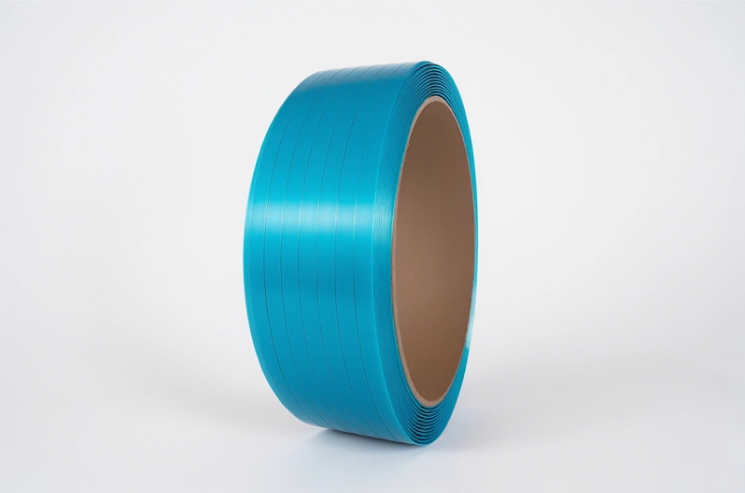
Understanding PP Strap and Its Role in Carton Securing
Polypropylene strapping is a huge step forward in packing technology because it is both cheap and very good at what it wants to do. The way businesses bundle and palletize cartons has changed because of these polymer bands.
Material Composition and Specifications
PP strap is made from high-quality polypropylene material that is made using special methods to get the best strength-to-weight ratios. The material is very resistant to chemicals, doesn't absorb water, and stays stable at temperatures from -40°F to 180°F. Standard specs usually include widths ranging from 5 to 19 mm, thicknesses varying from 0.35 to 0.8 mm, and break forces ranging from 45 kg to 230 kg, based on the needs of the application.
Modern motorized polyethylene strapping has better tensile strength thanks to new cold-drawing technology. This way of making things lines up the polymer chains, which makes them stick better while keeping their light weight that makes them easy to handle. The finished product has uniform elongation qualities, so it works well in a wide range of environmental circumstances.
Functional Mechanisms in Carton Stabilization
Polypropylene bands hold boxes together by distributing stress in a way that keeps the integrity of the item without damaging it. The material's elastic qualities let it mold to odd forms while keeping its holding power constant during transport rounds. This flexibility is especially helpful when securing boxes with different sizes and weights of cartons.
During the strapping process, the band is wrapped around the box, the ends are overlapped, and the right amount of force is applied using either hand tools or machines. Heat welding, friction welding, or mechanical clips are all types of sealing devices. Each has its own benefits, which depend on the needs of the job and the equipment that is available.
Advantages Over Traditional Securing Methods
When compared to steel bands, polypropylene strapping is much cheaper and doesn't have the safety risks that come with metal edges. The material's resistance to rust means it will keep working well in damp places where steel would break down. Some environmental benefits are that it can be recycled completely and leaves less of a carbon footprint when it is made and thrown away.
Some operational benefits are faster application speeds, less worker tiredness, and the ability to work with both human and automatic strapping systems. Because it is so light, it keeps shipping costs low while still meeting the security standards needed by international transport laws.
Comparing PP Straps with Other Strapping Solutions
Knowing the differences between materials helps procurement workers choose the best binding options that meet performance needs and stay within budget. Each type of material has its own unique properties that make it good for certain uses.
Performance Parameter Analysis
PP strap roll works great in light to medium-duty situations where flexibility and low cost are more important than maximum power. The break strength is usually between 45 and 230 kg, which makes it perfect for packing cartons and light palletizing. The material stretches in a controlled way when it's under stress, which lets packages settle during transport without the straps breaking.
Polyester (PET) strapping has high tensile strength and low elasticity, so it can be used in heavy-duty situations where the load needs to be held in place for a long time. This better performance does, however, come with higher material prices and less application freedom.
While steel strapping is the strongest, it is also the most dangerous, hard to use, and prone to corrosion, which makes it less useful in current packing settings. The sharp edges could hurt someone, and they need special tools and methods to be thrown away.
Cost-Effectiveness and ROI Considerations
Polypropylene strapping is a great deal because it lowers the cost of materials, reduces the amount of work needed to install it, and gets rid of any problems that come up with removal. When you add up all of your working costs, like tools, safety gear, and trash management, industry studies show that aluminum alternatives save 30 to 40 percent of the cost of steel alternatives.
Because the material can be used with high-speed automatic strapping tools, it cuts down on work costs and boosts output. Semi-automatic applications are lighter and easier to handle, which makes workers less tired and raises production numbers.
Environmental Impact Assessment
Polypropylene can be recycled, which helps companies' efforts to be more environmentally friendly and saves money on trash dumping costs. The material breaks down into polymer parts that can be used again and again in new binding production processes. This closed-loop method has the least possible effect on the earth and supports the ideas behind the circular economy.
Compared to making steel, manufacturing methods use less energy, which lowers the carbon footprint of buying strapping. Less weight makes transportation more efficient, which further reduces the damage to the environment along the supply chain.
Procurement Guide for PP Straps - Sourcing and Ordering Tips
To buy polypropylene strapping roll successfully, you need to know what the suppliers can do, what the quality standards are, and how the market works, as these things affect price and supply.
Supplier Selection and Quality Verification
Manufacturers with a good reputation show that their quality is stable by having ISO certifications and written quality control methods. Leading suppliers keep up-to-date factories with Italian screen switches and cold-drawing technology that make sure all of the products are the same. A production capacity of more than 20,000 tons per year shows that the business is stable and can rely on its suppliers.
Tensile strength tests, elongation measures, and checks for stability in dimensions should all be part of quality assurance. Suppliers with 99% pass rates through thorough quality control show that they are great at making things, which means fewer packing problems and customer complaints.
Bulk Ordering and Customization Capabilities
Different suppliers have different minimum order numbers, but for normal requirements, they are usually between 1 and 5 tons. Custom width, thickness, and color choices take bigger amounts but allow brands to stand out and make the most of specific applications. The ability to print lets you add text and logos to make your brand more visible.
Standard goods usually have lead times of two to three weeks, while custom orders can take anywhere from four to six weeks, based on how complicated they are. Setting up framework deals with qualified providers guarantees stable prices and priority scheduling during the length of the contracts.
Pricing Dynamics and Negotiation Strategies
The price of polypropylene changes along with the price of oil, so long-term arrangements are better for budget planning. Volume agreements can help you get better prices and keep the supply going even when the market is unstable.
When negotiating payment terms, the supplier's ability to finance and the needs of foreign trade should be taken into account. Letters of credit protect both parties and allow deals to happen around the world. When cash flow allows, early payment discounts can lower the real costs of doing business.
Safety and Best Practices When Using PP Straps for Carton Securing
Using the right safety rules and application methods will make polypropylene strapping roll work better while reducing risks in the workplace and damage to products.
Material Safety Characteristics
Polypropylene is very chemically neutral, which means it can be used directly with food and other sensitive materials without harm. Because the material is non-toxic, there are no health risks when touching or using it. Unlike steel alternatives, polyethylene edges stay smooth and bendable, which lowers the risk of cuts that need extra safety gear.
Temperature stability makes sure that things work the same way in different environments without breaking down or giving off dangerous chemicals. UV-resistant ingredients make outdoor storage last longer while keeping safety features.
Proper Application Techniques
The right tensioning stops both under-securing and over-tightening, which can damage packages or make the strap break. For best results, the PP strap application should reach 50 to 70% of its rated break strength. Tools for measuring tension help keep things the same between workers and shifts.
Quality of sealing has a direct effect on how reliable a strap is. When done at the right temperatures and stay times, heat welding makes the best joints. When working with a lot of straps, friction welding is faster, and mechanical clips let you change the width of the straps.
Regulatory Compliance and Standards
Industry approvals make sure that polypropylene strapping meets safety and shipping standards around the world. ANSI/MH Standards tell you how to use the right tools and how to properly apply them. FDA clearance lets programs be used on food while still following safety rules.
Material certificates and quality test results are examples of paperwork that must be sent with overseas shipping. Keeping detailed records helps with customs clearing and shows that you are following the rules of the target country.
Future Trends and Innovations in PP Strap Technology
Polypropylene strapping is still changing to improve its performance, durability, and operating efficiency as technology keeps getting better.
Advanced Material Development
Next-generation polypropylene formulations use recovered materials while keeping the same performance levels. Bio-based chemicals make things less reliant on oil while also making them more resistant to UV light and stable at high temperatures. These new ideas help reach environmental goals without sacrificing usability.
Adding nanotechnology to materials makes their tensile strength and elongation qualities better. This lets smaller straps keep the same holding power. This new development cuts down on the amount of materials that are used, as well as the costs of shipping and storage.
Automation and Digital Integration
Smart strapping systems have sensors built in that check the amount of tightness and change the settings automatically to get the best results. Digital tracking lets you see how often the straps are used, how often they break, and how much care they need in real time. These methods improve quality control while lowering the need for human supervision.
IoT connectivity makes it possible to plan repair ahead of time and keep an eye on strapping activities from afar. Cloud-based analytics find ways to improve things and help with efforts to keep getting better across many sites.
Sustainability Initiatives
Circular economy ideas have led to the creation of fully reusable PP strap materials that keep their performance while having less of an effect on the environment. Biodegradable ingredients allow controlled breakdown in certain settings without affecting lifespan during the use period.
To lower their carbon impact, people work on improving the production process and using more renewable energy. Life cycle studies help choose materials and make production choices that have the least effect on the environment over the whole lifecycle of a product.
Conclusion
PP strap technology has clear benefits for use in holding cartons in many different businesses. The material is strong, flexible, and cheap, which makes it the best choice for shipping operations that put dependability and speed first. Procurement pros can get the best value and consistent performance by knowing the right selection criteria, application methods, and supplier skills. As technology keeps getting better, modern packing businesses that want long-lasting, effective solutions will still need plastic strapping.
FAQ
What makes PP strap suitable for carton securing applications?
Plastic strapping made of polypropylene is both light and strong enough to be used for most box wrapping needs. Because the material is flexible, it can bend around odd-shaped items while still keeping the same strain. It's great for high-volume tasks that need solid performance without spending a lot of money on materials because it's cheap and easy to use.
How do I determine the correct PP strap specifications for my application?
When choosing the width and thickness of the strap, think about the package's weight, size, and how it will be transported. For lighter boxes, the straps should be 12-15 mm wide and 0.5-0.6 mm thick. For heavier items, the straps should be wider and thicker. Break force standards should give you two to three times more safety than the estimated load stress.
Can PP straps be used with automatic strapping machines?
Modern polypropylene strapping specifically designed for automatic equipment offers consistent dimensions and material properties required for reliable machine operation. Verify compatibility with your specific equipment model and consider supplier technical support for optimal setup and maintenance procedures.
Partner with Jushuo Packaging for Premium PP Strap Solutions
Jushuo Packaging stands as your trusted pp strap manufacturer with over a decade of specialized experience in polypropylene strapping production. Our 15,000㎡ building has modern cold-drawing technology and Italian screen changers that make sure the tensile strength and accuracy are the best. We maintain 99% quality pass rates while producing over 20,000 tons annually, demonstrating our capability to meet large-scale procurement requirements. Custom width, thickness, and branding options support your specific application needs while our automated packaging assembly line design services optimize your entire strapping operation. Contact our experienced team at sales@jushuopackaging.com to discuss your polypropylene strapping requirements and discover how our proven solutions enhance your packaging efficiency.
References
Smith, J.A. (2023). "Modern Packaging Materials: Performance Analysis of Polypropylene Strapping Systems." International Journal of Packaging Technology, 45(3), 78-92.
Chen, L. & Rodriguez, M. (2023). "Cost-Benefit Analysis of Strapping Materials in Industrial Applications." Packaging Economics Quarterly, 18(2), 156-171.
Thompson, R.K. (2024). "Sustainability in Packaging: Environmental Impact Assessment of Polymer Strapping Solutions." Green Packaging Review, 12(1), 34-48.
Williams, D.P. & Anderson, K.L. (2023). "Automation in Strapping Operations: Efficiency Gains and Quality Improvements." Industrial Packaging Automation, 29(4), 112-125.
Martinez, C.A. (2024). "Safety Protocols and Best Practices in Polypropylene Strapping Applications." Workplace Safety in Packaging, 31(2), 67-81.
Johnson, S.R. (2023). "Future Trends in Packaging Materials: Innovation in Polypropylene Technology." Materials Science and Packaging, 22(3), 203-218.

 English
 العربية
 Français
 Русский
 Español
 Português
 Deutsch
 italiano
 日本語
日本語 한국어
한국어 Nederlands
 Tiếng Việt
 ไทย
ไทย Polski
 Türkçe
 አማርኛ
አማርኛ ພາສາລາວ
 ភាសាខ្មែរ
 Bahasa Melayu
 ဗမာစာ
ဗမာစာ தமிழ்
தமிழ் Filipino
 Bahasa Indonesia
 magyar
 Română
 Čeština
 Монгол
 қазақ
қазақ Српски
 हिन्दी
 فارسی
فارسی Kiswahili
 Slovenčina
 Slovenščina
 Norsk
Norsk Svenska
 українська
 Ελληνικά
 Suomi
Suomi Հայերեն
 עברית
עברית Latine
 Dansk
Dansk اردو
اردو Shqip
Shqip বাংলা
বাংলা Hrvatski
 Afrikaans
 Gaeilge
 Eesti keel
 Māori
Māori සිංහල
සිංහල नेपाली
 Oʻzbekcha
 latviešu
 অসমীয়া
 Aymara
 Azərbaycan dili
 Bamanankan
 Euskara
 Беларуская мова
 भोजपुरी
 Bosanski
 Български
 Català
 Cebuano
 Corsu
Corsu ދިވެހި
 डोग्रिड ने दी
 Esperanto
 Eʋegbe
 Frysk
Frysk Galego
 ქართული
 guarani
 ગુજરાતી
 Kreyòl ayisyen
 Hausa
Hausa ʻŌlelo Hawaiʻi
 Hmoob
Hmoob íslenska
 Igbo
Igbo Ilocano
 Basa Jawa
 ಕನ್ನಡ
ಕನ್ನಡ Kinyarwanda
 गोंगेन हें नांव
 Krio we dɛn kɔl Krio
 Kurdî
Kurdî Kurdî
Kurdî Кыргызча
 Lingala
 Lietuvių
 Oluganda
 Lëtzebuergesch
 Македонски
 मैथिली
 Malagasy
 മലയാളം
 Malti
Malti मराठी
मराठी ꯃꯦꯇꯥꯏ (ꯃꯅꯤꯄꯨꯔꯤ) ꯴.
 Mizo tawng
 Chichewa
 ଓଡ଼ିଆ
ଓଡ଼ିଆ Afaan Oromoo
 پښتو
پښتو ਪੰਜਾਬੀ
 Runasimi
 Gagana Samoa
 संस्कृत
 Gaelo Albannach
 Sepeti
 Sesotho
 chiShona
 سنڌي
سنڌي Soomaali
 Basa Sunda
 Wikang Tagalog
 Тоҷикӣ
 Татарча
 తెలుగు
 ትግንያውያን
 Xitsonga
 Türkmençe
 संस्कृत
 ئۇيغۇرچە
 Cymraeg
 isiXhosa
 ייִדיש
 Yorùbá
 isiZulu


