When purchasing polypropylene strapping for industrial packaging uses, procurement professionals have to look at a lot of technical specs and performance factors that have a direct effect on how efficiently and cheaply the business runs. PP strap is a flexible, light-weight packaging option that can be used for light to medium-duty tasks in transportation, manufacturing, and e-commerce. When procurement teams know how to choose the right specifications, they can cut costs on packing while still meeting load security standards. This detailed guide gives purchasing professionals the technical information, industry standards, and useful decision-making frameworks they need to choose the best polypropylene strapping options for a wide range of industrial uses.
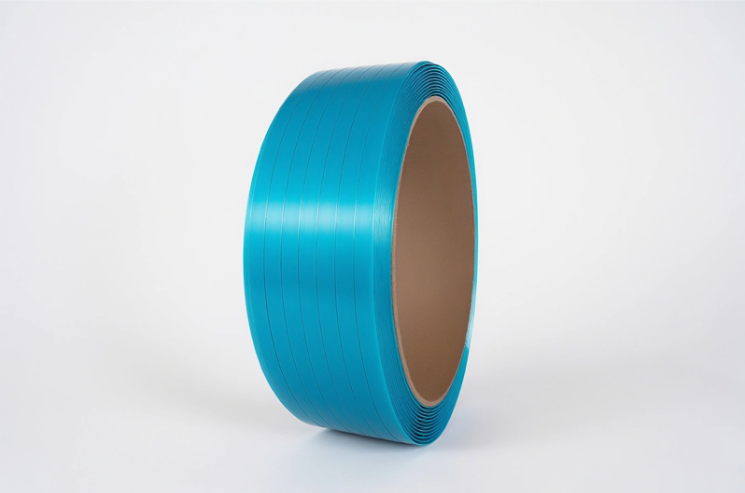
Understanding PP Strap Material Properties and Classifications
The science behind polypropylene strapping keeps getting better to meet the strict needs of industrial packaging. Modern automatic polypropylene strapping has better performance features that were designed to work with fully automatic strapping tools. It provides reliable packaging solutions for many industries.
Core Material Characteristics of Polypropylene Strapping
The chemicals that make up polypropylene give it special molecular qualities that make it perfect for use in packaging. The polymer structure is made up of repeating propylene units that are grouped in crystalline shapes. This makes a material that is both flexible and strong when pulled apart. This pattern of molecules in polypropylene strapping keeps the structure strong even when the load changes, and it also gives the material enough stretch to allow for product movement during transport.
When using polypropylene strapping, temperature resistance is one of the most important performance factors. Good polypropylene straps keep their mechanical qualities at temperatures between -20°C and 80°C, which means they can be used for storage and transportation in warehouses. The material is very resistant to acids, alkalis, and most organic solvents, which makes sure that the packaging stays intact in a wide range of industrial settings.
The levels of UV protection in different types of polypropylene are very different. Standard polyethylene is strong enough for indoor use, but UV-stabilized versions have extras that make them last longer when used outside. High-quality automatic strapping has UV stabilizers built in that keep the material's qualities even after being in direct sunlight for a long time.
PP Strap Grade Classifications for Different Industries
When it comes to performance, virgin polypropylene grades are better than recycled options. Virgin material has constant tensile strength, predictable elongation qualities, and better resistance to UV light. Strapping made from virgin polypropylene has break forces that range from 45 kg to 230 kg, based on the size requirements and the purpose of the strapping.
Recycled polypropylene grades are cheaper options for uses where efficiency isn't the most important thing. These materials usually have a tensile strength that is 15 to 20 percent lower than virgin materials, but they can still be used for light-duty packing tasks. The amount of recycled content ranges from 25% to 85%, and performance traits get worse as the percentage of recycled content goes up.
For direct food contact uses, food-grade polypropylene strapping meets strict safety standards. These special grades are made with additives that are allowed for food packaging and follow FDA rules and European Union food contact standards. Facilities that make food-grade strapping keep their production lines separate from those that make industrial-grade materials so that they don't get contaminated.
Surface Treatments and Their Impact on Performance
Surface treatments that are embossed make it easier to hold on to things and stop them from slipping during automatic binding operations. When heat-seal joining methods are used, the embossing design makes micro-channels that help the strap layers stick together better. This process on the surface works especially well for automatic high-speed strapping tasks that need reliable sealing.
Polypropylene strapping with a smooth surface is better for manual tasks and cases where the straps need to be removed easily. The lower friction coefficient makes it easier to feed through strapping tools and easier to take straps off when items need to be opened again. It's also easier to print on smooth surfaces, which is useful for marking and product identification.
Anti-slip treatments use special coats on the surface that make the friction between the strap and the package surface higher. These treatments are especially helpful for keeping smooth or covered packaging materials in place, which could otherwise let the straps move. Different weather and humidity levels don't affect how well advanced anti-slip formulations work.
Critical Specification Parameters for Procurement Decisions
When procurement teams know about dimensional requirements and performance metrics, they can match the properties of pp strap with the needs of a particular application. Technical specs have a direct effect on how well packaging works, how efficiently it runs, and how much it costs to own everything.
Dimensional Specifications and Tolerance Standards
Automatic polypropylene strapping comes in widths that range from 5 to 19 mm, so it can be used for a wide range of packing needs. Standard widths range from 9 mm for light-duty purposes like bundling cartons to 12 mm for medium-weight packages, 15 mm for stabilizing pallets, and 19 mm for heavy-duty uses. It is possible to get custom widths between these normal sizes for specific uses that need the best performance.
Changes in thickness have a big effect on the load-bearing ability and the rate at which materials are used up. The standard thickness is between 0.35 mm and 0.8 mm. Thinner gauges are cheaper for light-duty uses, while thicker choices are stronger for heavy-duty uses. The relationship between thickness and tensile strength is based on well-known engineering principles. This lets procurement teams choose the best materials for the job based on the load needs.
Length standards affect how well operations run and how inventory is managed. Standard roll lengths are between 2,000 and 6,000 meters, and longer rolls mean that automatic strapping processes don't have to change them out as often. But longer rolls need more room to be stored and may be too heavy to move by hand, so there are trade-offs between how efficiently they work and how easily they can be moved.
Tensile Strength and Breaking Load Requirements
Minimum breaking strength standards depend on the width of the strap and what it will be used for. Automatic polypropylene strapping of good quality can break at loads ranging from 45 kg for 5 mm width options to 230 kg for 19 mm heavy-duty options. These strength numbers are the bare minimum for performance. Higher grades usually do 10-15% better than the minimum requirements.
Safety factor estimates help figure out what kind of straps are needed for a certain load. Best practices in the industry say to use safety factors of 2:1 to 3:1, which means that the breaking strength of the strap should be 200 to 300 times the highest expected load. This safety margin takes into account things like shifting loads during travel, environmental stressors, and the fact that materials may break down over time.
Standardizing testing methods makes sure that performance checks are done the same way for all providers and production batches. Astm D3950 gives detailed instructions on how to test plastic strapping materials for tensile strength, elongation, and resistance to external factors. When it comes to foreign procurement, ISO standards offer different ways to test things that might work better.
Elongation Properties and Flexibility Metrics
The amount of elongation at break shows how flexible a material is and how well it can handle dynamic loads without breaking. The elongation values of good polypropylene strapping are usually between 15 and 20%, which is enough flexibility for most packaging tasks while keeping its shape under constant strain. Higher stretch values could mean that the material isn't as good or that the additives aren't mixed properly.
In transportation uses where vibration and impact loading are common, the ability to absorb shocks becomes very important. Polypropylene is naturally flexible, so it can stretch and rebound during dynamic loading events. This keeps packaged goods from being stressed out. Because of this, polypropylene strapping is perfect for keeping fragile things safe while they are being shipped.
When working in harsh environments, success is affected by factors that depend on temperature. When temperatures are low, polypropylene becomes more rigid, but when temperatures are high, it becomes more flexible. Knowing these things about the grades helps procurement teams choose the right ones for different working conditions and yearly changes.
Application-Specific PP Strap Selection Criteria
Different industrial applications require specific pp strap roll characteristics to achieve optimal performance and cost-effectiveness. Matching strap specifications to application requirements ensures reliable packaging performance while minimizing material costs and operational complexity.
Palletizing and Warehouse Operations
Standard pallet dimensions create specific strapping length requirements that affect material consumption calculations. Euro pallets (1200x800mm) and standard pallets (1200x1000mm) require different strap lengths for equivalent securing patterns. Vertical strapping typically consumes 3-4 meters per application, while combination vertical and horizontal patterns may require 6-8 meters per pallet.
Automatic strapping machine compatibility represents a critical specification parameter for high-volume operations. Machines require specific strap characteristics including consistent thickness tolerance, appropriate surface friction, and compatible heat-sealing properties. Premium automatic strapping incorporates additives that enhance heat-seal performance and reduce jamming incidents in high-speed equipment.
Storage and handling considerations affect material selection beyond basic performance requirements. Polypropylene strapping maintains dimensional stability in warehouse environments with controlled temperature and humidity. However, extended exposure to direct sunlight or extreme temperature variations can affect material properties, requiring UV-stabilized grades for long-term storage applications.
Heavy Machinery and Construction Applications
High-tensile strength requirements for equipment bundling exceed typical packaging applications, necessitating premium-grade polypropylene strapping or alternative materials like PET strapping. Heavy machinery components may require breaking strengths exceeding standard polypropylene capabilities, making PET strapping a more appropriate choice for these demanding applications.
Weather resistance specifications become critical for outdoor storage and transportation environments. UV-stabilized polypropylene strapping maintains performance characteristics for extended periods under direct sunlight exposure, while standard grades may experience degradation within weeks of outdoor exposure. Precipitation resistance ensures dimensional stability and prevents water absorption that could affect tensile properties.
Compatibility with lifting and rigging operations requires careful consideration of strap placement and load distribution patterns. While polypropylene strapping excels at securing loads for transportation, it should never be used for lifting applications where failure could create safety hazards. Clear operational guidelines help prevent inappropriate use while maximizing legitimate application benefits.
Logistics and Shipping Industry Standards
International shipping compliance requirements vary among different transportation modes and destination countries. Container shipping applications require strapping materials that maintain performance throughout extended ocean voyages, including exposure to salt air and temperature variations. Documentation requirements may include material certifications and compliance declarations for specific regulatory frameworks.
Container loading and securing specifications often mandate specific strapping patterns and tension requirements. Standardized loading procedures help ensure consistent package security while optimizing container space utilization. Automatic strapping systems can apply consistent tension levels that manual methods cannot achieve, improving load security and reducing material consumption.
Multi-modal transport durability standards address the cumulative stress effects of multiple transportation modes including truck, rail, and ocean shipping. Polypropylene strapping must maintain integrity throughout these combined stress cycles while providing adequate protection for packaged products. Quality materials designed for multi-modal applications incorporate enhanced fatigue resistance characteristics.
Quality Standards and Certification Requirements
Comprehensive quality standards and certification procedures make sure that the performance of polypropylene strapping meets industry standards. They also give procurement teams objective evaluation criteria for choosing suppliers and keeping quality high.
International Quality Standards and Compliance
The ISO 9001 manufacturing quality requirements set the basic standards for quality management methods used to make polypropylene strapping roll. Certified manufacturers show that they have written quality control methods, training programs for employees, and ways to keep improving. These methods make sure that the quality of the products is the same across production batches and time periods.
Compliance with the ASTM D3950 testing standard gives uniform ways to check the performance of plastic strapping materials. This complete standard includes tests for tensile strength, elongation, weather resistance, and making sure that the dimensions are correct. Suppliers should give test certificates that show they meet the requirements of this standard.
The European EN 14677 packaging standard alignment talks about certain rules that packing materials used in European markets must follow. This standard focuses on performance factors important for European transportation infrastructure, rules for recyclability, and environmental concerns. Products that are going to be sold in Europe may need to have compliance paperwork.
Industry-Specific Certifications
Certifications for food contact safety make sure that polypropylene strapping meets strict standards for use in direct food contact situations. Food safety rules in the United States are followed when it gets FDA approval, and similar rules are set by the EU for markets in Europe. To get these certifications, a lot of tests must be done to make sure the material meets guidelines for chemical migration, bacterial resistance, and purity.
Because of the high performance needs of automotive packaging uses, OEM approval requirements in the automotive industry often go beyond general industry standards. Major automakers keep lists of accepted suppliers based on strict qualification processes that include testing materials, auditing facilities, and keeping an eye on ongoing performance. Getting OEM approval standing shows that you can provide high-quality products.
The pharmaceutical packaging compliance guidelines take into account the special needs of medical and pharmaceutical uses. These standards put a lot of emphasis on keeping things clean, making sure they can be tracked, and making sure they work with sterilization methods. Specialized grades that meet the needs of pharmaceutical companies cost more but give you access to high-value market groups.
Supplier Audit and Quality Assurance Protocols
Procedures for inspecting factories help procurement teams check the quality control systems and skills of suppliers. Production equipment, quality control testing facilities, staff training programs, and documentation systems should all be looked at in full during audits. An annual audit plan helps keep up with a supplier's performance and find ways to make things better.
How often quality control tests are done depends on the supplier and the needs of the product. Premium providers usually test each batch for tensile strength, dimensional accuracy, and visible flaws. Customers should be able to look at the testing documentation, which should show that the product works the same way during all production times.
When quality problems happen, batch tracking systems make it easy to find and fix them quickly. Advanced manufacturers keep detailed records that connect the sources of their raw materials, the conditions of production, and the features of the final product. This traceability feature is very important for situations where you need to act quickly on quality issues or product returns.
Conclusion
To buy polypropylene strapping effectively, you need to find a balance between technical requirements, cost factors, and operational needs within the context of complete supplier relationship strategies. Procurement teams can improve the performance of packaging while keeping costs low by knowing the properties of the materials, the sizes that are needed, and the unique needs of each application. Quality standards and certification requirements give you a way to objectively choose a provider and keep an eye on their performance over time. Systematic planning, teaching employees, and constantly improving performance are all important for implementation to go well. As new materials and application technologies come out, the market for automatic polypropylene strapping keeps growing. These improvements lead to better performance and operating efficiency for industrial packaging uses.
FAQ
What is the difference between virgin and recycled PP strap in terms of performance?
Virgin PP strap offers superior tensile strength, consistent quality, and better UV resistance compared to recycled options. While recycled polypropylene strapping is more cost-effective, virgin material is recommended for critical applications where load security cannot be compromised. Virgin materials typically provide 15-20% higher breaking strength values and more predictable performance characteristics across varying environmental conditions.
How do I determine the right PP strap width and thickness for my application?
The selection depends on your load weight, package size, and strapping method. For loads up to 50kg, 12mm width is typically sufficient. For heavier applications (50-200kg), 15mm or 19mm widths are recommended. Thickness should increase proportionally with load requirements, with automatic strapping applications typically requiring precise thickness tolerances for reliable machine feeding and sealing performance.
What quality certifications should I require from PP strap suppliers?
Essential certifications include ISO 9001 for quality management, ASTM D3950 compliance for performance standards, and specific industry certifications like FDA approval for food contact applications. Always request current certification documents and verify their validity. Additional certifications may include automotive OEM approvals for automotive packaging applications and pharmaceutical compliance standards for medical applications.
How can I optimize my PP strap inventory costs while maintaining quality?
Implement a balanced approach by establishing long-term contracts with certified suppliers, optimizing order quantities based on usage patterns, and maintaining safety stock levels. Consider partnering with suppliers who offer just-in-time delivery to reduce storage costs. Analyze total cost of ownership including material costs, labor expenses, and operational efficiency impacts when making procurement decisions.
Partner with Jushuo Packaging for Premium Polypropylene Strapping Solutions
Jushuo Packaging delivers engineered polypropylene strapping solutions that meet demanding industrial packaging requirements while optimizing operational efficiency and cost-effectiveness. Our automatic strapping systems incorporate advanced cold-drawing technology and Italian screen changers that ensure consistent quality and performance across production batches. With over a decade of manufacturing expertise and 20,000+ tons annual production capacity, we provide reliable supply chain partnerships for procurement teams seeking proven pp strap supplier relationships. Our 15,000㎡ manufacturing facility maintains 99% pass rates through rigorous quality control protocols while offering customizable specifications including widths from 5-19mm, break forces up to 230kg, and specialized surface treatments for automatic strapping applications. Contact our technical team at sales@jushuopackaging.com for comprehensive specification analysis and competitive pricing solutions.
References
American Society for Testing and Materials. "Standard Specification for Strapping, Nonmetallic (and Joining Methods)." ASTM International Standards, 2019.
International Organization for Standardization. "Packaging and Environment - Requirements for Packaging Recoverable in the Form of Material Recycling." ISO Technical Standards, 2018.
European Committee for Standardization. "Packaging - Requirements for Packaging Recoverable through Composting and Biodegradation." European Standards Publication, 2020.
Polymer Processing Institute. "Polypropylene Strapping Performance Characteristics in Industrial Applications." Journal of Packaging Technology Research, 2021.
Industrial Packaging Association. "Best Practices for Automatic Strapping System Implementation." Professional Packaging Guidelines, 2022.
Global Packaging Research Council. "Sustainability Trends in Industrial Strapping Materials and Applications." International Packaging Industry Report, 2023.

 English
 العربية
 Français
 Русский
 Español
 Português
 Deutsch
 italiano
 日本語
日本語 한국어
한국어 Nederlands
 Tiếng Việt
 ไทย
ไทย Polski
 Türkçe
 አማርኛ
አማርኛ ພາສາລາວ
 ភាសាខ្មែរ
 Bahasa Melayu
 ဗမာစာ
ဗမာစာ தமிழ்
தமிழ் Filipino
 Bahasa Indonesia
 magyar
 Română
 Čeština
 Монгол
 қазақ
қазақ Српски
 हिन्दी
 فارسی
فارسی Kiswahili
 Slovenčina
 Slovenščina
 Norsk
Norsk Svenska
 українська
 Ελληνικά
 Suomi
Suomi Հայերեն
 עברית
עברית Latine
 Dansk
Dansk اردو
اردو Shqip
Shqip বাংলা
বাংলা Hrvatski
 Afrikaans
 Gaeilge
 Eesti keel
 Māori
Māori සිංහල
සිංහල नेपाली
 Oʻzbekcha
 latviešu
 অসমীয়া
 Aymara
 Azərbaycan dili
 Bamanankan
 Euskara
 Беларуская мова
 भोजपुरी
 Bosanski
 Български
 Català
 Cebuano
 Corsu
Corsu ދިވެހި
 डोग्रिड ने दी
 Esperanto
 Eʋegbe
 Frysk
Frysk Galego
 ქართული
 guarani
 ગુજરાતી
 Kreyòl ayisyen
 Hausa
Hausa ʻŌlelo Hawaiʻi
 Hmoob
Hmoob íslenska
 Igbo
Igbo Ilocano
 Basa Jawa
 ಕನ್ನಡ
ಕನ್ನಡ Kinyarwanda
 गोंगेन हें नांव
 Krio we dɛn kɔl Krio
 Kurdî
Kurdî Kurdî
Kurdî Кыргызча
 Lingala
 Lietuvių
 Oluganda
 Lëtzebuergesch
 Македонски
 मैथिली
 Malagasy
 മലയാളം
 Malti
Malti मराठी
मराठी ꯃꯦꯇꯥꯏ (ꯃꯅꯤꯄꯨꯔꯤ) ꯴.
 Mizo tawng
 Chichewa
 ଓଡ଼ିଆ
ଓଡ଼ିଆ Afaan Oromoo
 پښتو
پښتو ਪੰਜਾਬੀ
 Runasimi
 Gagana Samoa
 संस्कृत
 Gaelo Albannach
 Sepeti
 Sesotho
 chiShona
 سنڌي
سنڌي Soomaali
 Basa Sunda
 Wikang Tagalog
 Тоҷикӣ
 Татарча
 తెలుగు
 ትግንያውያን
 Xitsonga
 Türkmençe
 संस्कृत
 ئۇيغۇرچە
 Cymraeg
 isiXhosa
 ייִדיש
 Yorùbá
 isiZulu


