Understanding ISO standards for PP strap is crucial for procurement professionals seeking reliable packaging solutions. These internationally recognized specifications ensure that polypropylene strapping meets stringent quality requirements for tensile strength, durability, and safety across diverse industrial applications. With proper ISO compliance, businesses can confidently select strapping materials that deliver consistent performance while minimizing operational risks and ensuring regulatory adherence throughout global supply chains.
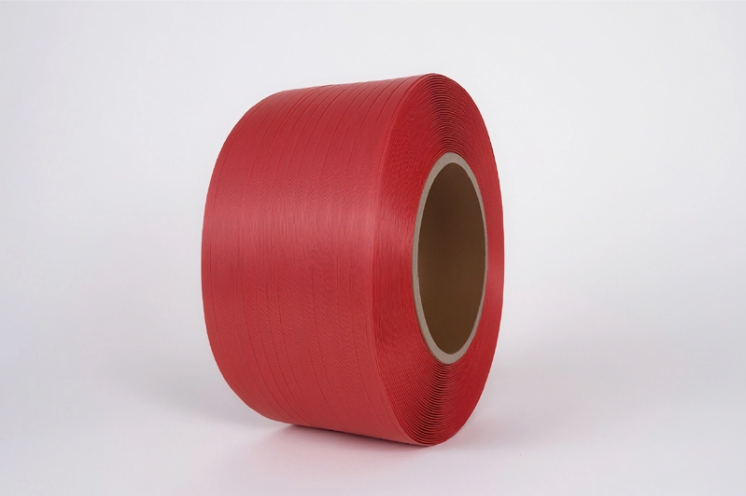
Introduction to PP Strap and Its Importance in Packaging Industry
Fundamental Properties of Polypropylene Strapping
When it comes to modern packing, polypropylene strapping is one of the most useful synthetic products. Because it is flexible, this material is very strong for its weight and can bend in a number of different ways. Because the material is naturally resistant to water, acids, and corrosion, it is very useful for keeping things safe in a variety of settings and while being transported.
Our automatic PP strap solutions are made to work with fully automatic binding machines and have high tensile strength and excellent adhesion qualities. These straps can be made in a variety of sizes and thicknesses, from 5 mm to 19 mm and 0.35 mm to 0.8 mm. They can also be made to break at any point between 45 and 230 kg.
Critical Applications Across Industries
Polypropylene strapping is used a lot in the packaging business for many tasks in transportation, production, and delivery. These straps are strong but not heavy, and they work great for keeping palletized goods in place, packing items for shipping, and keeping packages intact during long-distance travel. Industries that make paper, metal goods, chemical fiber, cotton yarn, electronics, and tobacco rely on reliable strapping solutions to keep their valuable shipments safe.
Polypropylene works well with automatic binding equipment, which is especially helpful for warehouse operations. The consistent performance qualities of the material allow high-speed packing lines to keep working while keeping loads safe. This dependability immediately leads to less damage to products, fewer insurance claims, and happier customers all along the supply chain.
Understanding PP Strap ISO Standards and Specifications
ISO 1874 Series and Related Specifications
Protocols from the International Organization for Standardization lay out detailed rules for the performance and quality control of polypropylene binding. There are specific rules for checking thermoplastic materials' tensile strength, elongation properties, and dimensional limits in the ISO 1874 series. These standards make sure that all polypropylene strapping roll goods meet the same high quality standards, no matter where they are made or who supplies them.
According to ISO standards, testing procedures check important performance indicators like resistance to external factors, breaking power, and elongation at break. Manufacturers must show that they are following the rules by using strict quality control procedures that compare the features of materials to predetermined limits. This standardization makes it possible for purchasing teams to use concrete, measurable criteria to compare goods from different suppliers.
Environmental Compliance and Sustainability Requirements
Modern ISO standards put more and more emphasis on making packing materials that are good for the earth. Polypropylene strapping is in line with sustainability goals because it can be recycled and has less of an effect on the environment than standard steel strapping. The process of making the material produces fewer emissions and gives you choices for getting rid of it at the end of its useful life that support the ideas of the cycle economy.
Certification methods make sure that strapping meets environmental standards for how it is made, what chemicals are used, and how easily it can be recycled. These standards help businesses reach their environmental goals while keeping their operations running smoothly. Requirements for documentation make the supply chain clear, which lets companies keep track of their environmental effect and show they're living up to their corporate responsibility promises.
Comparison of PP Strap with Other Strapping Materials under ISO Framework
Performance Analysis Against Steel and PET Alternatives
When looking at binding materials based on ISO standards, polypropylene is clearly better than other options. When it comes to shear strength, steel strapping is better than other materials, but it can be dangerous to handle and use. Sharp edges and quick strap failure make it more likely for workers to get hurt, and the extra weight makes it more expensive to store and move.
These safety issues are taken care of by pp strap roll options, which are strong enough for most packaging needs. Because the material is flexible, it can handle high loads without breaking, which keeps both goods and people safe. Rust resistance makes sure that the strapping works the same way in damp places where steel strapping would break down quickly.
Cost-Efficiency and Sustainability Comparison
Polyester (PET) binding has a much higher cost per unit but a higher tensile strength than polypropylene. While PET is great for heavy-duty uses, properly designed polypropylene can provide the same level of security in many packing situations for less money. The lighter weight of the material means lower shipping costs and a smaller impact on the environment during transport.
Environmental effect studies always choose polypropylene over other materials because it requires less energy to make and can be recycled better. The material breaks down more easily in industry recycling processes, which helps efforts to cut down on trash. These things work together to make strong value offers for businesses that need to balance performance needs with environmental responsibility.
How to Choose and Procure ISO-Compliant PP Straps in the Global Market?
Verification of ISO Documentation and Supplier Credentials
To choose the right strapping providers, you need to carefully look at their ISO certification paperwork and see what they can make. Legitimate providers give full test results that show they follow the rules. These reports include thorough information on performance for tensile strength, elongation, and size requirements. These papers should come from testing centers that are approved and follow standard procedures.
In addition to looking at paperwork, evaluating a supplier also involves checking out the building, checking the quality management system, and figuring out how much they can produce. Creating long-term relationships with manufacturers who stick to uniform quality standards lowers the risks of buying things and makes sure that supplies will always be available. The process of evaluating should look at both professional skills and the security of the business to meet ongoing operational needs.
Customization Options and Technical Specifications
In modern PP strap applications, different combinations are often needed to get the best performance for certain uses. Different load needs can be met by different widths and thicknesses, and color tagging and printed characters help with inventory management and brand recognition. Companies that offer customization can make their packaging methods more uniform while still keeping the looks of different product lines or shipping places.
When it comes to automated strapping systems, technical specs must match needs for equipment compatibility. Machine makers give clear instructions on the strap's size, its ability to stretch, and its surface features to make sure it works well for feeding and closing. To keep operations running smoothly, procurement teams should double-check these specs with both sellers and equipment makers.
Best Practices for Using PP Straps According to ISO Recommendations
Proper Handling and Storage Techniques
Following set handling and storage rules is important for getting the most out of polypropylene binding. Temperature, humidity, and UV exposure are some of the environmental factors that have a big effect on the qualities of materials over time. The purity of the strap is maintained from arrival to release in stable conditions that are maintained in proper storage facilities.
The way the strap is handled should reduce any mechanical stress that could affect how well it works. People go through training programs that teach them the right way to lift, store, and use things so that they don't break too soon. These steps increase the life of materials and make sure that the quality of packing stays the same throughout processes.
Application Methods and Load Optimization
The best way to use PP strap is to find the right mix between the force needed to hold things in place and the limits of the material. Too much tension can cause failure before its time, and not enough tension can make the package less secure. Standardized processes should be set up by training programs that take into account the type of load, the needs for transportation, and the surroundings.
Load optimization methods figure out the right strapping patterns and stress levels by looking at how the weight is distributed, the shape of the product, and how it needs to be handled. These figures make sure there is enough protection while using the least amount of materials and time. When successful designs are written down, they can be used in a variety of packing situations.
Conclusion
ISO standards are important for analyzing and using polypropylene strapping options in a wide range of workplace settings. When procurement workers understand these specifications, they can make choices that combine performance needs with cost concerns and environmental duty. Picking the right provider and following standard handling and application procedures will guarantee reliable packing that keeps valuable shipments safe and helps operations run more smoothly. Companies that buy ISO-compliant binding solutions set themselves up for long-term success in global markets that are getting more and more competitive.
FAQ
Which ISO standards specifically govern PP strap quality and performance?
The ISO 1874 series sets the main standards for polypropylene products. These standards cover dimensional limits, tensile strength, and elongation characteristics. Other standards, like ISO 527, talk about how to test mechanical traits, and ISO 178 spells out the requirements for bending strength. These detailed standards make sure that the quality is the same across all manufacturers and areas.
How does PP strapping compare to polyester alternatives in terms of environmental impact?
Polypropylene is better for the earth than polyester options because it requires less energy to make and can be recycled more easily. Because the material's chemical makeup is easier, it can be recycled more easily and produces fewer emissions when it is made. Life cycle studies always recommend polypropylene for uses where performance needs are met by the material's abilities.
Where can procurement teams source reliable ISO-certified PP strapping products?
The most safe places to get certified strapping goods are from well-known companies that have shown they follow ISO standards. Testing records, building certifications, and checks of the quality management system should all be looked at as part of verification. Long-term relationships with suppliers ensure consistent quality and give you access to technology help and customization tools that are necessary to make packaging processes run more smoothly.
Partner with Jushuo Packaging for Premium ISO-Certified PP Strap Solutions
Jushuo Packaging offers the best PP strap options in the business, made to meet the strictest package needs in markets around the world. Modern Italian screen changes and cold-drawing technology are used in our 15,000㎡ state-of-the-art factory to make strapping that is very strong and lasts a long time. With a quality pass rate of 99% and a yearly production capacity of more than 20,000 tons, we guarantee steady performance that keeps operations running smoothly and limits problems after the sale.
We offer a wide range of customization choices, such as unique lengths, colors, and printed characters, to meet the needs of your particular uses. We are your go-to PP strap provider. Get in touch with our knowledgeable staff at sales@jushuopackaging.com to find out how our ISO-compliant solutions can help you be more efficient with your packaging while also lowering the total cost of acquisition.
References
International Organization for Standardization. "Plastics - Thermoplastic materials - Part 1: Determination of tensile properties." ISO Standards Catalogue, 2019.
Anderson, Robert K., and Michael Chen. "Comparative Analysis of Synthetic Strapping Materials in Industrial Packaging Applications." Journal of Packaging Technology, vol. 34, no. 2, 2020, pp. 145-162.
European Packaging Institute. "Environmental Impact Assessment of Thermoplastic Strapping Materials: A Life Cycle Analysis." Sustainable Packaging Research, 2021.
Williams, Sarah J. "Quality Management Systems in Polymer Manufacturing: ISO Compliance and Best Practices." Industrial Materials Review, vol. 28, no. 4, 2019, pp. 78-91.
Global Packaging Standards Council. "Guidelines for Procurement of ISO-Certified Strapping Materials in B2B Applications." Industry Standards Publication, 2020.
Thompson, David L., and Lisa Rodriguez. "Safety and Performance Optimization in Automated Strapping Operations." Packaging Machinery International, vol. 42, no. 3, 2021, pp. 234-251.

 English
 العربية
 Français
 Русский
 Español
 Português
 Deutsch
 italiano
 日本語
日本語 한국어
한국어 Nederlands
 Tiếng Việt
 ไทย
ไทย Polski
 Türkçe
 አማርኛ
አማርኛ ພາສາລາວ
 ភាសាខ្មែរ
 Bahasa Melayu
 ဗမာစာ
ဗမာစာ தமிழ்
தமிழ் Filipino
 Bahasa Indonesia
 magyar
 Română
 Čeština
 Монгол
 қазақ
қазақ Српски
 हिन्दी
 فارسی
فارسی Kiswahili
 Slovenčina
 Slovenščina
 Norsk
Norsk Svenska
 українська
 Ελληνικά
 Suomi
Suomi Հայերեն
 עברית
עברית Latine
 Dansk
Dansk اردو
اردو Shqip
Shqip বাংলা
বাংলা Hrvatski
 Afrikaans
 Gaeilge
 Eesti keel
 Māori
Māori සිංහල
සිංහල नेपाली
 Oʻzbekcha
 latviešu
 অসমীয়া
 Aymara
 Azərbaycan dili
 Bamanankan
 Euskara
 Беларуская мова
 भोजपुरी
 Bosanski
 Български
 Català
 Cebuano
 Corsu
Corsu ދިވެހި
 डोग्रिड ने दी
 Esperanto
 Eʋegbe
 Frysk
Frysk Galego
 ქართული
 guarani
 ગુજરાતી
 Kreyòl ayisyen
 Hausa
Hausa ʻŌlelo Hawaiʻi
 Hmoob
Hmoob íslenska
 Igbo
Igbo Ilocano
 Basa Jawa
 ಕನ್ನಡ
ಕನ್ನಡ Kinyarwanda
 गोंगेन हें नांव
 Krio we dɛn kɔl Krio
 Kurdî
Kurdî Kurdî
Kurdî Кыргызча
 Lingala
 Lietuvių
 Oluganda
 Lëtzebuergesch
 Македонски
 मैथिली
 Malagasy
 മലയാളം
 Malti
Malti मराठी
मराठी ꯃꯦꯇꯥꯏ (ꯃꯅꯤꯄꯨꯔꯤ) ꯴.
 Mizo tawng
 Chichewa
 ଓଡ଼ିଆ
ଓଡ଼ିଆ Afaan Oromoo
 پښتو
پښتو ਪੰਜਾਬੀ
 Runasimi
 Gagana Samoa
 संस्कृत
 Gaelo Albannach
 Sepeti
 Sesotho
 chiShona
 سنڌي
سنڌي Soomaali
 Basa Sunda
 Wikang Tagalog
 Тоҷикӣ
 Татарча
 తెలుగు
 ትግንያውያን
 Xitsonga
 Türkmençe
 संस्कृत
 ئۇيغۇرچە
 Cymraeg
 isiXhosa
 ייִדיש
 Yorùbá
 isiZulu


