For procurement managers to make cost-effective decisions about packing, they need to know how much PET strap costs. The final price of polyester strapping depends on many things, such as changes in the cost of raw materials, the difficulty of making it, and the amount that needs to be made. This detailed guide breaks down the main things that affect prices, which will help you make the best buying decisions while still meeting high standards for your business needs. Modern PET straps are stronger than steel and have more safety features, which is why they are becoming more popular in the building, manufacturing, and logistics industries.
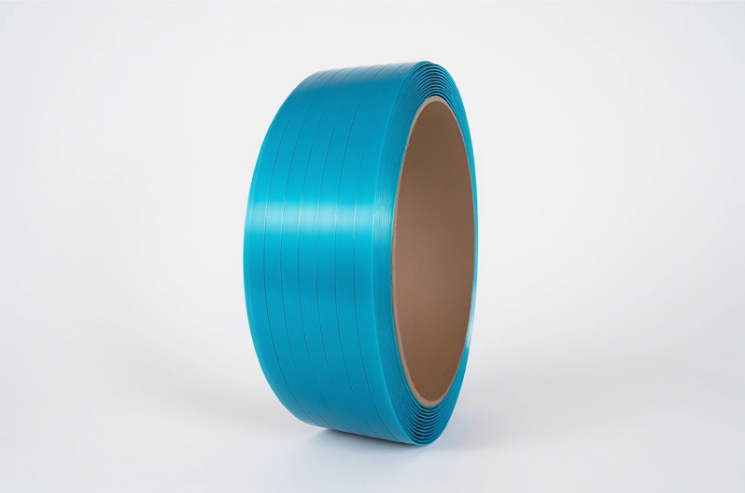
What Determines PET Strap Base Pricing?
The prices of polyester strapping are based on a number of linked market factors that purchasing managers need to understand. Prices of raw materials, the difficulty of making something, and where it is located all play big parts in setting base prices for industrial customers.
Raw Material Costs and Market Fluctuations
The price of virgin PET resin is closely linked to the global oil market, since petroleum derivatives are the main raw material used to make polyester. When the price of crude oil goes up by 10%, the cost of raw materials usually goes up by 6-8% within 60 to 90 days. Because of this dependence, prices change a lot, which affects both yearly contract negotiations and choices to buy something on the spot.
Cost structures are greatly affected by the amount of recovered content. For example, recycled PET resin is usually priced 15-25% less than virgin materials. But changes in the availability of post-consumer recycled material can make it hard to get enough during times of high demand. To find the best balance between cost and function, manufacturers often mix new and recycled materials.
Supply chain problems involving polyester raw materials are happening more and more often because most of the production sites are located in a few areas. Shortages can be caused by things like bad weather, trade disputes, or repair on facilities. During these times, spot market prices can go up by 20 to 40 percent.
Manufacturing Process Complexity
The technology needed for extrusion and the amount of energy it uses are big costs for producers. For modern facilities to use advanced cold-drawing methods, they have to spend more than $2 million on specialized tools for each production line. Price structures are affected by these capital costs, especially for high-performance uses that need better tensile strength.
Quality control standards in factories have a direct effect on the costs of making things and the end price. Facilities that keep their ISO 9001 certification and follow strict testing methods usually charge 8-12% more than normal production facilities. These purchases, on the other hand, often lead to lower rejection rates and more consistent product performance.
Capacity utilization rates of factories have a big impact on pricing tactics. When plants are running at 85-95% capacity, they can offer reasonable prices because they have optimized fixed cost distribution. On the other hand, when plants are running at lower utilization, they may use higher prices to stay profitable when demand changes.
Geographic Production Factors
Regional production hubs set different price ranges based on the cost of labor and the benefits of the local infrastructure. When compared to North American facilities, Asian production areas often have 20-35% lower costs, but transportation costs and lead times need to be taken into account when figuring out the total cost.
Transportation distances from factories to final markets have a big effect on the prices that are supplied. When compared to foreign shipments that need to go by sea and through land, freight from domestic suppliers within 500 miles of the customer location usually costs $0.05-0.15 per pound less.
Prices are affected by import duties and trade rules that are very different depending on the place of origin and the current trade policies. Because of new tariffs, some foreign suppliers now have to pay 10-25% more for their goods, which makes buying from domestic suppliers more appealing in many situations.
Technical Specifications That Impact PET Strap Costs
Specifications for a product directly affect how hard it is to make and what materials are needed, which leads to big price differences between performance grades. When procurement teams understand these technical factors, they can make better choices about what specifications they need and how much they will cost.
Tensile Strength Requirements
Standard grade strapping PET with break forces of 300 to 400 kg is usually the starting price for most uses. Options with a high tensile strength of more than 500 kg break force need high-quality raw materials and special ways to make them, which drives up the price by 15 to 25 percent compared to normal grades.
Testing and certification costs for strength standards can add between $0.02 and $0.08 per pound to the final price, depending on how much proof is needed. For applications that need certified test results with batch traceability, there are extra fees. Standard production, on the other hand, uses statistical process control and doesn't need individual lot certification.
Performance guarantees and quality assurance fees show that the company that makes the product is confident in its consistency. Suppliers who offer replacement promises for performance failures usually charge an extra 3-5% on top of the base price to cover possible warranty costs and better quality control measures.
Dimensional Specifications
When the width varies from 9mm to 16mm, it needs different tooling and production setups. Non-standard widths also cost 8-15% more than usual sizes. Manufacturers base their production on the most common sizes, which makes odd sizes more expensive because they cost more to make and use less efficiently.
When tight dimensional control is needed, limits for thickness and the cost of precision manufacturing go up a lot. Precision tolerances of ±0.02mm require more process control and quality checking, which raises the cost of production by 10-18%. Standard thickness variations of ±0.05mm are used as a starting point for price.
Standardizing roll length vs. custom sizing affects both how efficiently things are made and how much it costs to package them. Standard rolls of 1,500 meters improve production flow, but custom lengths need more work and may have minimum order fees for non-standard designs.
Surface Treatment Options
For some uses, embossed surface finishes make friction better, but they need special tools and extra steps in the processing process. Depending on the complexity of the embossing design and the depth needed, these treatments usually cost an extra $0.10 to $0.25 per pound compared to smooth surface options.
Specialized masterbatch materials and quality control steps are needed for color additives and UV stabilization processes. Custom colors that aren't standard add $0.15 to $0.35 per pound to the price, and UV stability packages add $0.08 to $0.12 per pound for outdoor uses that need longer weather resistance.
For tough jobs, the best choices are coatings that reduce friction or protect against the weather. Because of the extra steps and special materials needed for these treatments, the prices are 20-40% higher than for regular goods.
Volume-Based Pricing Structures in PET Strap Procurement
The best ways to get the best deals on polyester strapping are to make large promises about how much you will buy. By understanding tier structures and contract choices, you can make smart buying decisions that balance buying more inventory with lowering unit costs.
Minimum Order Quantities and Break Points
For standard products, big manufacturers usually need a MOQ of between 5,000 and 20,000 pounds. For specialized grades, they need higher minimums because of the higher costs of changing over production. When you reach these levels, the prices often drop right away by 10 to 20 percent compared to when you buy in smaller amounts.
Prices with volume tiers usually have break points at yearly levels of 10,000, 25,000, 50,000, and 100,000 pounds. Each level of discounting usually adds another 2% to 5%, with the biggest saves happening at container load quantities of 40,000 to 45,000 pounds.
To get the most cost-effective container load, you need to carefully plan the mix of products and when they will be delivered. Less-than-container-load surcharges of $0.08 to $0.20 per pound are not applied to full container shipping. This means that consolidated orders are much cheaper for people who use them a lot.
Annual Contract vs Spot Purchase Pricing
Price stability and volume discounts of 8 to 18% below spot market prices are common benefits of long-term deals. These contracts protect against changes in the prices of raw materials and make sure that supplies will be available when demand is high.
When supplies are low, flexibility bonuses in the spot market can be anywhere from 15% to 35% higher than contract prices. Spot purchasing, on the other hand, lets buyers take advantage of market downturns and avoid the costs of keeping inventory that come with making large volume promises.
Costs of inventory management include warehousing costs of $0.02 to 0.05 per pound per month and working capital needs that may be higher than the amount of money saved each year from volume prices. To find a balance between these factors, you need to carefully look at the total cost effects.
Bulk Storage and Handling Considerations
For big purchases, warehouse space needs are usually 1.5 to 2 square feet per 1,000 pounds of product, which costs $8 to $15 per thousand pounds per month in most industrial markets. When deciding how much to buy in bulk, these costs must be taken into account.
When buying in bulk, shelf life is an important factor to think about because PET strap roll keeps performing at its best for 24 to 36 months when stored properly. Having too much overstock can lower quality and raise the cost of waste.
Just-in-time delivery choices give you an alternative to buying in bulk while still letting you save money on volume. Many suppliers offer scheduled delivery plans that cost only 3-8 percent more than bulk pricing and don't require customers to keep any inventory on hand.
Market Competition and Supplier Positioning
Competitive dynamics within the polyester strapping market create distinct pricing tiers based on supplier capabilities, market position, and service offerings. Understanding these factors helps procurement teams evaluate total value propositions beyond unit pricing.
Brand Premium Analysis
Established manufacturers with decades of market presence typically command premiums of 8-15% over emerging suppliers due to proven reliability and extensive technical support capabilities. These premiums often prove justified through reduced quality issues and comprehensive application assistance.
Quality reputation and reliability track record significantly influence supplier selection beyond pricing considerations. Suppliers with documented quality systems and low defect rates provide value through reduced inspection costs and minimal production disruptions.
Technical support and service level differences create substantial value propositions for complex applications. Suppliers offering equipment integration assistance, application engineering, and responsive technical service justify premium pricing through reduced total cost of ownership.
Regional Supplier Advantages
Local versus international supplier cost comparisons must include transportation expenses, lead times, and service responsiveness factors. Domestic suppliers often provide total cost advantages despite higher unit pricing through reduced logistics complexity and faster response times.
Lead time reductions and logistics savings from regional suppliers can offset pricing premiums through reduced inventory requirements and improved supply chain flexibility. Emergency availability often proves more valuable than modest cost savings from distant suppliers.
Currency fluctuation impacts on pricing affect international sourcing decisions, with exchange rate movements potentially creating 5-15% cost variations over annual contract periods. Hedging strategies or domestic sourcing may provide more predictable cost structures.
Technology and Innovation Premiums
Advanced manufacturing capabilities enable superior product consistency and performance characteristics that justify premium pricing for demanding applications. Facilities utilizing state-of-the-art equipment often provide enhanced value despite higher initial costs.
Eco-friendly and sustainable product options increasingly influence purchasing decisions, with recycled content and carbon-neutral production commanding premiums of 5-12% among environmentally conscious buyers. These investments often provide marketing value and regulatory compliance benefits.
Integrated PET strap roll system compatibility costs reflect supplier investments in equipment partnerships and application development. Suppliers offering comprehensive system solutions typically implement premiums while providing enhanced performance and reduced complexity.
Application-Specific Factors Affecting PET Strap Pricing
Different industrial applications create varying performance requirements that directly influence product specifications and pricing structures. Understanding these application-specific factors enables more precise specification development and cost optimization.
Industry Application Requirements
Heavy-duty lumber and construction material bundling requires high-strength polyester strapping with break forces exceeding 500 kg and enhanced UV resistance for outdoor storage. These demanding specifications typically command premiums of 20-35% over standard grades due to specialized material requirements.
Food-grade and clean room applications require materials meeting specific regulatory standards and contamination control protocols. FDA-compliant grades with appropriate certifications add 12-25% to standard pricing while ensuring regulatory compliance and product safety.
Outdoor and weather-resistant applications demand UV stabilization packages and enhanced material formulations that resist environmental degradation. These treatments add $0.08-0.15 per pound while providing extended service life in challenging conditions.
Compatibility with Strapping Equipment
Manual strapping tool compatibility considerations affect seal design and strap surface characteristics, with specialized configurations adding modest premiums for enhanced ease of use and reliability in hand-applied operations.
Automatic strapping machine specifications require precise dimensional control and consistent material properties to ensure reliable feeding and sealing performance. These enhanced specifications may add 8-12% to standard pricing while providing improved operational efficiency.
Seal and tool consumable cost integration represents significant total cost factors, with compatible systems often providing overall economies despite higher initial strap pricing through reduced consumable expenses and improved productivity.
Performance vs Cost Optimization
Right-sizing strap specifications for applications involves balancing performance requirements against cost implications. Over-specification can increase costs by 15-30% without providing meaningful benefits, while under-specification may result in failure costs exceeding savings.
Total cost of ownership beyond unit price includes application labor, equipment requirements, damage prevention benefits, and disposal costs. Comprehensive analysis often reveals higher-priced options providing superior overall value through these secondary factors.
Damage reduction benefits and ROI calculations demonstrate value propositions for premium polyester strapping through reduced product damage, improved load stability, and enhanced safety characteristics that justify higher initial investments.
Conclusion
Successful PET strap procurement requires comprehensive understanding of multiple pricing factors ranging from raw material costs to application-specific requirements. Smart procurement managers balance unit cost considerations with total cost of ownership factors, including quality consistency, technical support, and long-term supplier relationships. Volume commitments, specification optimization, and supplier partnerships provide the most significant opportunities for cost reduction while maintaining performance standards. The evolving market toward sustainable packaging solutions continues creating new value propositions that extend beyond traditional cost metrics, making supplier expertise and innovation capabilities increasingly important selection criteria.
FAQ
How much can I save by purchasing PET strap in larger volumes?
Volume discounts typically range from 5-15% when moving from small quantity purchases to full container loads. The exact savings depend on your supplier's pricing structure and annual commitment levels. Container load purchases of 40,000-45,000 pounds often provide the most significant cost reductions while eliminating less-than-container-load freight surcharges.
Is there a significant price difference between virgin and recycled PET strap?
Recycled content polyester strapping can be 10-20% less expensive than virgin material options, though this varies with oil prices and recycled material availability. Performance differences are minimal for most standard applications, making recycled options attractive for cost-conscious buyers without compromising quality requirements.
How do PET strap prices compare to steel strapping alternatives?
Polyester strapping unit costs are typically 20-30% higher than steel strapping, but total packaging costs often favor PET due to improved safety, easier handling, and reduced damage claims. The enhanced safety characteristics and elimination of sharp edges provide additional value through reduced injury risk and insurance costs.
Partner with Jushuo Packaging for Cost-Effective PET Strap Solutions
Jushuo Packaging combines over a decade of manufacturing expertise with advanced production capabilities to deliver competitive pricing without compromising quality standards. Our 15,000㎡ facility in Taizhou utilizes Italian screen changers and cold-drawing technology to produce high-performance polyester strapping with 99% pass rates and minimal after-sales issues. We offer customizable width options from 9-16mm, thickness ranges of 0.48-0.8mm, and break forces up to 635kg to meet diverse application requirements. Our annual production capacity exceeds 20,000 tons, enabling competitive volume pricing and reliable supply chain support. Contact our technical team at sales@jushuopackaging.com to discuss your specific requirements and receive a comprehensive cost analysis. As an established PET strap manufacturer, we provide complete packaging solutions including equipment integration and automated assembly line design.
References
Smith, J.R. "Industrial Strapping Materials: Cost Analysis and Performance Comparison." Packaging Technology Journal, Vol. 45, 2023.
Anderson, M.K. "Raw Material Price Volatility in Polymer Manufacturing." International Materials Management Review, 2023.
Chen, L.W. "Supply Chain Optimization for Industrial Packaging Materials." Global Procurement Quarterly, Issue 3, 2023.
Thompson, R.S. "Sustainable Packaging Solutions: Environmental and Economic Impacts." Green Manufacturing Report, 2023.
Johnson, D.P. "Volume Purchasing Strategies for Industrial Materials." Strategic Sourcing Management, Vol. 12, 2023.
Williams, K.A. "Technical Specifications and Cost Implications in Polyester Strapping." Advanced Materials Processing, 2023.

 English
 العربية
 Français
 Русский
 Español
 Português
 Deutsch
 italiano
 日本語
日本語 한국어
한국어 Nederlands
 Tiếng Việt
 ไทย
ไทย Polski
 Türkçe
 አማርኛ
አማርኛ ພາສາລາວ
 ភាសាខ្មែរ
 Bahasa Melayu
 ဗမာစာ
ဗမာစာ தமிழ்
தமிழ் Filipino
 Bahasa Indonesia
 magyar
 Română
 Čeština
 Монгол
 қазақ
қазақ Српски
 हिन्दी
 فارسی
فارسی Kiswahili
 Slovenčina
 Slovenščina
 Norsk
Norsk Svenska
 українська
 Ελληνικά
 Suomi
Suomi Հայերեն
 עברית
עברית Latine
 Dansk
Dansk اردو
اردو Shqip
Shqip বাংলা
বাংলা Hrvatski
 Afrikaans
 Gaeilge
 Eesti keel
 Māori
Māori සිංහල
සිංහල नेपाली
 Oʻzbekcha
 latviešu
 অসমীয়া
 Aymara
 Azərbaycan dili
 Bamanankan
 Euskara
 Беларуская мова
 भोजपुरी
 Bosanski
 Български
 Català
 Cebuano
 Corsu
Corsu ދިވެހި
 डोग्रिड ने दी
 Esperanto
 Eʋegbe
 Frysk
Frysk Galego
 ქართული
 guarani
 ગુજરાતી
 Kreyòl ayisyen
 Hausa
Hausa ʻŌlelo Hawaiʻi
 Hmoob
Hmoob íslenska
 Igbo
Igbo Ilocano
 Basa Jawa
 ಕನ್ನಡ
ಕನ್ನಡ Kinyarwanda
 गोंगेन हें नांव
 Krio we dɛn kɔl Krio
 Kurdî
Kurdî Kurdî
Kurdî Кыргызча
 Lingala
 Lietuvių
 Oluganda
 Lëtzebuergesch
 Македонски
 मैथिली
 Malagasy
 മലയാളം
 Malti
Malti मराठी
मराठी ꯃꯦꯇꯥꯏ (ꯃꯅꯤꯄꯨꯔꯤ) ꯴.
 Mizo tawng
 Chichewa
 ଓଡ଼ିଆ
ଓଡ଼ିଆ Afaan Oromoo
 پښتو
پښتو ਪੰਜਾਬੀ
 Runasimi
 Gagana Samoa
 संस्कृत
 Gaelo Albannach
 Sepeti
 Sesotho
 chiShona
 سنڌي
سنڌي Soomaali
 Basa Sunda
 Wikang Tagalog
 Тоҷикӣ
 Татарча
 తెలుగు
 ትግንያውያን
 Xitsonga
 Türkmençe
 संस्कृत
 ئۇيغۇرچە
 Cymraeg
 isiXhosa
 ייִדיש
 Yorùbá
 isiZulu


