Because it doesn't easily break down in water, UV light, or changes in temperature, PET strap is great for keeping things outside. This new strapping material, made from polyethylene terephthalate, can stand up to bad weather better than steel or plastic strapping materials. Because of how it's made, PET strap can still stretch and be strong after being outside for a long time. You can use it to keep palletized goods, building supplies, and farm products safe outside because it can keep its shape well.
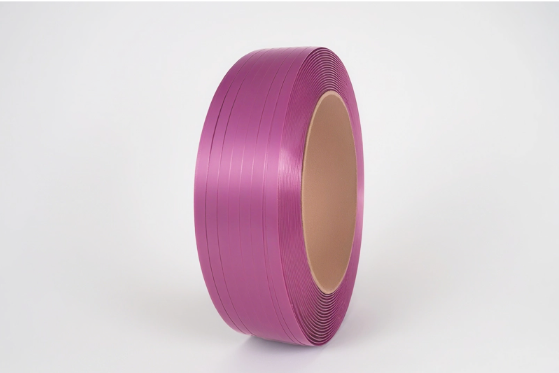
Understanding PET Strap: Composition, Strength, and Durability
PET straps work because they are made of polyethylene terephthalate, a complicated chemical that makes them very stable for use outside in rough conditions. Because this polymer is made up of crystals, it has a very high tensile strength. Depending on the need, it can break with 160 to 635 kilograms of force. The material is naturally resistant to outside forces because of the way its molecules are structured. It can still bend when the load changes.
There are new ways to mold PET straps that line up the polymer chains. This makes the straps bend better and spread loads more evenly. The material is very good at recovering, so it can handle changes in temperature and load without becoming less safe. Being able to change sizes is helpful when keeping things outside, where changes in temperature can make things shrink or grow.
Polyethylene terephthalate can be recovered, which helps all businesses use packaging that is better for the environment. Steel straps can rust or stain things, but PET strap stays looking good and working even after being outside for a long time. Because the material doesn't rust, you don't have to worry about rust getting into electrical items that are kept outside or used with food.
Weather Resistance Properties
UV light can damage many packing materials, but PET strap is very stable against UV light because of the way its molecules are arranged. After thousands of hours of fast aging, tests in the lab show that there isn't much damage. This means that it will work well outside for years to come. This defense comes from the fact that the material is solid and that extra UV blockers were added when it was made.
Plastics made of polyethylene terephthalate don't absorb much water, so they don't change size or lose power like organic materials do. Because it doesn't draw water, the product works the same way in places that are wet, near salty oceans, and where it rains a lot. No matter how wet it is, the material's tensile strength doesn't change.
Temperature resistance skills are useful in a lot of different work settings, from storage places in the ice to the desert. The glass transition temperature of polyethylene terephthalate is higher than the temperature of the air around it. In this way, the frame stays strong during heat waves and bendy during cold snaps.
Comparing PET Strap with Other Strapping Solutions for Outdoor Use
It is important to think about how the items you choose for outdoor storage will work, how much they will cost, and how they will impact the world. People used steel straps for heavy-duty jobs a long time ago. It rusts quickly, is heavy, and is dangerous to handle when used outside, all of which are problems. For longer stretches of time, you can't leave polypropylene items outside because they don't hold up well in bad weather.
The following analysis examines key performance differentiators across common strapping materials used in outdoor storage applications:
l Corrosion resistance: Strapping PET doesn't rust at all, but steel strapping needs coatings that protect it. These coatings can wear off over time, leaving spots and weakening the structure.
l Weight considerations: PVC strapping is a lot lighter than steel strapping of the same size and strength. This makes it safer to handle and lowers the cost of shipping without affecting the safety of the load.
l Temperature stability: It doesn't break down in cold weather like polyester does, but PET strap stays bendable. Steel, on the other hand, changes size when the temperature does.
l UV degradation: Paper and some plastics break down quickly in the sun. Polyethylene terephthalate, on the other hand, stays strong in the sun and can be used outside for a long time.
Because they don't need to be replaced as often, the products don't get contaminated as much, and the working conditions are better. Because PET strap is more flexible than rigid choices, it can hold more weight and stay tight for longer amounts of time.
Environmental Impact Assessment
Sustainability is becoming more important when people buy things, especially when they want to support companies that care about the environment. Strapping made of polyethylene terephthalate is better for the earth than steel strapping because it can be recovered and is made with less energy. It can be recycled many times without losing many of its qualities, which is in line with the circular economy ideas.
Studies that look at the whole life cycle of a product, including how it is made, how it is transported, and how it is thrown away at the end of its useful life, show that PET straps leave smaller carbon footprints. It takes less fuel to move because it is lighter, and it lasts longer and makes less trash because it doesn't rust.
Evaluating PET Strap for Outdoor Storage Applications: Key Considerations
It's important to think about the weather, the type of load, and the business's needs before setting up outdoor storage. It changes a lot where you live and what time of year it is how much sun energy you get. It's important to pick the right grade because this changes how fast things break down. Stress is a problem for people who live near the coast and may also be a problem for people who work in workplaces.
When you're assessing, it's also important to think about load dynamics. Since outdoor storage is often used for long periods of time, goods settle down. Polyethylene terephthalate is flexible, which means that PET strap will stay tight even if the loads shrink or move because of shaking, changes in temperature, or changes in moisture. This is a very useful trait for tools for farming, building, and large things in general.
Equipment interface tests make sure that adding new operations won't change how the current binding operations work. Modern PET strap formulations are made so that they can be used with both hand tools and robotic systems. This means that they can be used with a wide range of working sizes. The material's thickness and width are all about the same, which makes it easy to use pneumatic and electric tying tools, which are common in places where a lot of work gets done.
Performance Validation Through Testing
Standardized testing methods show that PET straps work in conditions that are similar to those found outside. This gives numbers that can be used to make specs. Samples are put through faster aging tests that make them feel like they've been outside for years by changing the temperature, humidity, and strength of the UV rays. The test results show that the tensile strength and stretch properties stayed well within acceptable ranges.
Studies done in other parts of the world back up what was found in the lab. For example, there are sites that check the condition of the straps after they've been out in the weather for a few years. These tests that are done in the real world include different kinds of loads, storage setups, and maintenance methods. They give full performance ratings that can be used to decide what to buy.
Procedures for quality verification make sure that the same standards are used all the way through the production process. During batch testing, the material properties, measurement accuracy, and additive quantity are all checked. Certification programs show that a product meets the needs of the business that issued the certification. This gives buying teams faith in how well the product will work in the long run.
How to Procure the Best PET Strap for Outdoor Storage Needs?
It's important to look at a supplier's industrial skills, quality processes, and ability to get expert help when judging them. Most of the top manufacturers keep their ISO approval up to date and use statistical process control to make sure their goods always meet the same high standards. The company checks its production ability to make sure it can meet delivery times and number needs. This is very important for businesses that only work during certain times of the year or for apps that depend on projects.
It's important to make sure that the technical specs are exactly what the job calls for, taking into account things like load weights, storage times, and weather exposure. To pick a width and thickness, you need to think about how much the material costs and how well it works. It's also important that the break force numbers take into account safety factors that are right for the load amounts and storage situations. Custom recipes may have UV blockers that work better for uses with a lot of exposure.
Firms that need to keep PET strap roll on hand need to make sure that their supply chain is reliable. Established manufacturers keep the right amount of stock on hand and don't lock down their production plans, so they can adapt to changes in the way people want to buy things. Deals for long-term goods can help keep prices fixed and make sure that the right people get supplies first when demand is high.
Quality Assurance and Certification Requirements
When you look at certification rules, you can compare the skills and quality of different providers without bias. International standards tell people how to make things, keep the quality good, and check to see how well they work. Suppliers need to make sure their licenses are up-to-date and show that they follow the rules set by the business.
By testing something, you can be sure of important qualities like its tensile strength, flexibility, and resistance to the climate. The big companies that make things have approved labs that can do both normal tests and make new ways to fit the needs of specific uses. It is important to keep an eye on quality standards so that they are still being met.
Traceability tools make it easy to fix any speed issues fast and help check the quality of work. In detailed records, you should list where the raw materials came from, how they were made, and the quality test results for each output lot. You can use this information to fix any issues with field performance and make sure the application settings are right.
Best Practices for Using and Maintaining PET Strap in Outdoor Environments
How something is put together has a big impact on how well it works outside. For example, making sure the load is firmly held and that something doesn't break too soon can be done by using the right tensioning methods. The best tension levels balance the stress on the material with the weight it needs to hold, taking into account the cargo's characteristics and the load that it will be carrying. When there isn't enough tension, the load can move. When there is too much tension, stress builds up and the strap breaks.
When you seal something outside, you have to think about the weather. How stable the whole system is rests on how well the joints fit together. A heat seal is stronger than a metal cover when it comes to that. This is very important for things that are valuable or will be kept for a long time. Most of the time, automatic systems are better at maintaining joint quality than people. This makes success in the field less likely to change.
Protecting the environment can help PET straps last longer in rough circumstances. Edge protection stops damage from friction when the load rests, and the right path stops rough edges and sharp points. Problems with drainage keep water from building up, which could either speed up the breakdown process or help living things grow.
Inspection and Maintenance Protocols
By planning regular checks, you can find damage or wear early, before it puts the load at risk. You should look closely at places that are under a lot of stress, the health of the joints, and any changes in color or cracks in the surface that could mean that the environment is breaking down the structure. By writing down what was found during checks, you can look for trends and figure out the best times to fix things.
It should be easy to see how to take off the strap based on how it looks, what qualities can be tried, or how long it will last. Replacing things before they break down is the best way to make the most of the materials you have. Straps that are broken need to be changed right away to keep the load safe and avoid possible safety risks.
The way trash is thrown away should make it easy to recycle while still following city rules. When recycled, clean PET strap materials command higher recycling values and support sustainability objectives. Contaminated materials may require alternative disposal methods, emphasizing the importance of proper storage and handling practices.
Conclusion
PET strap is a great choice for outdoor storage because it keeps its taut strength, protects better against weather, and is better for the environment. Being made of polyethylene terephthalate makes it stronger than other choices when it comes to UV light, water, and changes in temperature. Researchers have found that this strapping material is better in many ways than steel, plastic, and other outdoor materials. They don't rust, are lighter, and are safer, among other things. As long as you buy, install, and take care of PET strap the right way, it will work great for a long time. This makes it a great choice for building, farming, transport, and other fields that need to safely hold things outside.
FAQ
What makes PET strap suitable for long-term outdoor exposure?
Polyethylene terephthalate is naturally resistant to UV light, water, and changes in temperature because of how it is made. Other materials break down quickly in the sun and changing weather, but this one stays strong and flexible even after years of being outside.
How does PET strap compare to steel for outdoor applications?
The steel alternatives don't rust as well as PET strap, so it doesn't rust or break down over time like steel alternatives do. It's easier to handle because it's lighter, but it still has the same tensile strength. It also stretches more than hard steel strapping, which lets the load settle better.
Can PET strap withstand extreme temperature variations?
Polyethylene terephthalate does work well in a lot of different climates, from cold to hot. This material doesn't stiffen up in cold weather like plastic does, or grow a lot when heated like steel does. It stays flexible in cold weather and keeps its shape when heated.
Ready to Secure Your Outdoor Storage Applications?
When you need to store things outside, Jushuo Packaging has high-quality PET strap choices that are made to last and don't get damaged by the weather. Italian screen changers and exact cold-drawing technology are used in our state-of-the-art plant to make high-performance strapping that is always of high quality and has a 99% pass rate. We've been making PET straps for more than ten years, so we can give you choices that are perfect for your needs. Our options come in different sizes, thicknesses, and colors. Email our technical team at sales@jushuopackaging.com to tell them about the issues you're having with storing things outside. They can tell you how our approved strapping solutions can help your business run better and help you reach your sustainability goals.
References
Smith, J.A. "Comparative Analysis of Polymer Strapping Materials in Outdoor Storage Applications." Journal of Packaging Technology, Vol. 28, No. 3, 2023, pp. 145-162.
Chen, L.M., and Rodriguez, P.K. "UV Degradation Resistance of Polyethylene Terephthalate Strapping Systems." Industrial Packaging Research Quarterly, Vol. 15, No. 2, 2022, pp. 78-94.
Thompson, R.W. "Environmental Performance Assessment of Industrial Strapping Materials." Sustainable Packaging International, Vol. 12, No. 4, 2023, pp. 234-251.
Anderson, M.J., et al. "Load Retention Characteristics of Polymer Strapping Under Outdoor Storage Conditions." Materials Engineering and Applications, Vol. 31, No. 1, 2022, pp. 112-128.
Kumar, S.N. "Economic Analysis of Strapping Material Selection for Extended Outdoor Applications." Logistics and Supply Chain Management Review, Vol. 19, No. 3, 2023, pp. 89-105.
Williams, D.R., and Park, H.S. "Performance Validation of PET Strapping Systems in Harsh Environmental Conditions." Packaging Science and Technology, Vol. 26, No. 2, 2022, pp. 156-173.

 English
 العربية
 Français
 Русский
 Español
 Português
 Deutsch
 italiano
 日本語
日本語 한국어
한국어 Nederlands
 Tiếng Việt
 ไทย
ไทย Polski
 Türkçe
 አማርኛ
አማርኛ ພາສາລາວ
 ភាសាខ្មែរ
 Bahasa Melayu
 ဗမာစာ
ဗမာစာ தமிழ்
தமிழ் Filipino
 Bahasa Indonesia
 magyar
 Română
 Čeština
 Монгол
 қазақ
қазақ Српски
 हिन्दी
 فارسی
فارسی Kiswahili
 Slovenčina
 Slovenščina
 Norsk
Norsk Svenska
 українська
 Ελληνικά
 Suomi
Suomi Հայերեն
 עברית
עברית Latine
 Dansk
Dansk اردو
اردو Shqip
Shqip বাংলা
বাংলা Hrvatski
 Afrikaans
 Gaeilge
 Eesti keel
 Māori
Māori සිංහල
සිංහල नेपाली
 Oʻzbekcha
 latviešu
 অসমীয়া
 Aymara
 Azərbaycan dili
 Bamanankan
 Euskara
 Беларуская мова
 भोजपुरी
 Bosanski
 Български
 Català
 Cebuano
 Corsu
Corsu ދިވެހި
 डोग्रिड ने दी
 Esperanto
 Eʋegbe
 Frysk
Frysk Galego
 ქართული
 guarani
 ગુજરાતી
 Kreyòl ayisyen
 Hausa
Hausa ʻŌlelo Hawaiʻi
 Hmoob
Hmoob íslenska
 Igbo
Igbo Ilocano
 Basa Jawa
 ಕನ್ನಡ
ಕನ್ನಡ Kinyarwanda
 गोंगेन हें नांव
 Krio we dɛn kɔl Krio
 Kurdî
Kurdî Kurdî
Kurdî Кыргызча
 Lingala
 Lietuvių
 Oluganda
 Lëtzebuergesch
 Македонски
 मैथिली
 Malagasy
 മലയാളം
 Malti
Malti मराठी
मराठी ꯃꯦꯇꯥꯏ (ꯃꯅꯤꯄꯨꯔꯤ) ꯴.
 Mizo tawng
 Chichewa
 ଓଡ଼ିଆ
ଓଡ଼ିଆ Afaan Oromoo
 پښتو
پښتو ਪੰਜਾਬੀ
 Runasimi
 Gagana Samoa
 संस्कृत
 Gaelo Albannach
 Sepeti
 Sesotho
 chiShona
 سنڌي
سنڌي Soomaali
 Basa Sunda
 Wikang Tagalog
 Тоҷикӣ
 Татарча
 తెలుగు
 ትግንያውያን
 Xitsonga
 Türkmençe
 संस्कृत
 ئۇيغۇرچە
 Cymraeg
 isiXhosa
 ייִדיש
 Yorùbá
 isiZulu


