To choose the correct polyester PET strap for heavy-duty uses, you need to carefully consider the load requirements, material specs, and use environments. Modern polyester strapping, also called "plastic steel" strapping, has a tensile strength of 160 to 1360 kg/m³, which is a lot. It is also more flexible, resistant to weather, and safer than traditional steel options. Understanding these important factors is the best way to make sure that industrial packaging processes keep loads safe and don't waste money.
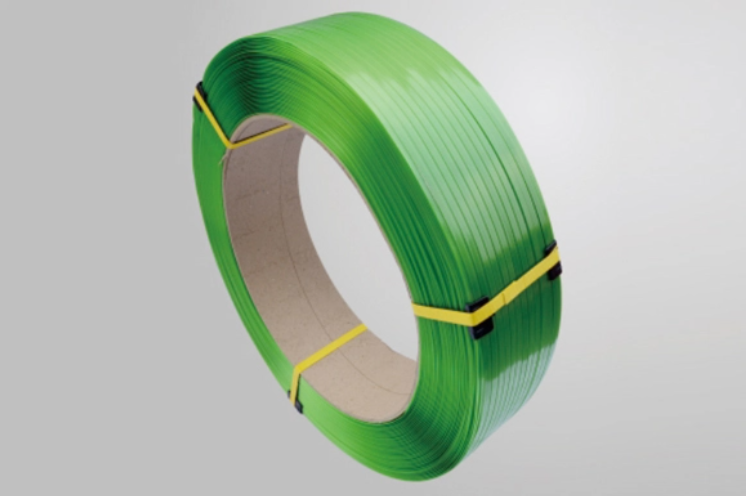
Understanding Polyester PET Strap for Heavy-Duty Applications
Polyester strapping is becoming more and more popular among modern packaging workers as the best way to secure heavy load
s in a wide range of industrial settings. This new material fills in the performance gaps between older choices and offers better safety and environmental benefits.
What Makes Polyester PET Strap Suitable for Heavy Loads
Polyester PET strapping works great for heavy-duty tasks because of the way it is made and the way its molecules are structured. The makeup of polyethylene terephthalate gives it great strength-to-weight ratios, which means it can hold loads that used to need steel bands. Advanced casting methods make the material density the same across the width of the strap, so it will work reliably even when under a lot of stress.
Because the material is naturally flexible, it can absorb impact forces during transport without affecting the structure of the load. Unlike hard alternatives, polyester strapping stays tight even if the loads move or settle while they're being shipped. Because of changes in temperature or vibration, this property is especially useful for building materials, machines, and other heavy things whose sizes can change.
Key Material Properties and Performance Characteristics
Knowing the basic properties of polyester strapping helps people who work in buying make smart choices. Low extension (usually between 10 and 15%) at break is a property of the material that keeps things tight without stretching too much. It can work in temperatures up to 120°C because it is resistant to heat. This makes it ideal for hot climate shipping and industrial settings.
Polyester strapping is very consistent across a wide range of performance measures. The smooth finish on the surface makes it easier to use while still giving you a good grip on packed items. Chemical resistance traits keep things from breaking down when they come in contact with oils, solvents, and cleaning products that are common in industrial settings. When put together, these traits make performance predictable across a wide range of uses.
Breaking Strength vs Working Load Limits Explained
When choosing strapping materials, professional packing businesses need to know the difference between breaking strength and safe working load limits. The breaking strength is the most force that a material can take before it breaks. The working load limits, on the other hand, set safe operating conditions with built-in safety gaps.
For dynamic tasks like moving and handling, industry standards usually say that working loads should be 25 to 30 percent of the breaking power. In static applications, higher percentages may be used, up to 40 to 50 percent of the breaking strength, based on the type of load and the environment. This difference is very important when figuring out how many straps are needed and what safety factors are best for each application.
Essential Selection Criteria for Heavy-Load PET Strapping
To choose the right strapping, you need to carefully consider a lot of different things that affect performance and cost-effectiveness. Knowing these factors helps procurement teams choose the right materials for their specific needs.
Load Capacity Requirements Assessment
An accurate estimate of the load is the basis for choosing the right strapping. Weight distribution research shows stress points that might need extra strapping or different ways of placing things. Packaging experts with a lot of experience look at more than just the weight of the load. They also look at its shape, its center of gravity, and how it might move while it is being handled.
In addition to static weight, dynamic loading factors during transport add to the stress. When a truck moves, a forklift hits something, or a crane lifts something, acceleration forces can make the effective load two to three times the steady weight. When professionals figure out what the right breaking strength needs are, they take these changing factors into account.
Strap Width and Thickness Selection Guidelines
The size of the strap has a direct effect on how much weight it can hold and how stress is distributed. You can choose from widths between 9 and 25 mm and thicknesses between 0.4 and 1.25 mm to meet a wide range of application needs. Loads are spread out more evenly across contact areas when straps are wider. This lowers the pressure that could damage packaged goods.
Both strength and flexibility are affected by thickness factors. While thicker straps have higher breaking powers, they may need more force to be tightened. To balance these factors, you need to know what the tensioning tools you have access to can do and how skilled the operators are. Standardizing on certain dimensions across operations makes managing inventory easier and makes sure that all operations work the same way.
Surface Types: Smooth vs Embossed for Different Applications
The choice of surface pattern has a big effect on how well it holds things together and how it works in applications. Smooth surface strapping is useful in automatic equipment settings where reliable feeding and threading performance is needed. The smooth surface keeps most packaged items from moving around and lowers friction in guide systems.
Embossed surfaces are better at holding things in place because they have higher friction ratios. This feature comes in handy when holding loads on smooth surfaces or in situations where slippage could be dangerous. Because it is rough, the surface can hold up to 20% more than smooth surfaces, which makes it perfect for heavy building materials and metal items.
Environmental Factors and Temperature Resistance
Conditions in the operating area affect the choice of material and the expected performance. For outdoor storage, UV protection is needed to keep things from breaking down after being in the sun for a long time. Polyester banding naturally fights UV radiation better than many other options, and its strength stays the same even after long periods of contact.
Changes in temperature can change the properties and performance of a material. Cold places can make materials stiffer, which needs to be taken into account when they are being tensioned. Polyester is thermally stable, which means it keeps its strength up to 120°C, which is useful for high-temperature uses. Knowing about these environmental factors makes sure that success stays consistent across seasons and regions.
Critical Technical Specifications to Evaluate
Evaluating technical specifications makes sure that the strapping materials chosen meet performance standards and give reliable service for the whole time they are in use. Knowing these standards helps people who work in procurement compare options better.
Tensile Strength and Elongation Properties
Load capacity calculations and safety factor determinations are based on tensile strength standards. Depending on the width and thickness, high-quality polyester strapping has tensile strengths between 160 kg and 1360 kg. These specs must match the estimated load needs, making sure there are enough safety margins.
The ability to hold onto a load during travel and storage is affected by the elongation characteristics. Low elongation qualities, usually between 10 and 15 percent at break, make sure that straps keep their tension without stretching too much. This feature is especially important for loads that might settle or contract while being shipped, since too much elongation could weaken the securement.
UV Resistance and Weather Durability
When used outdoors, weather protection needs to be carefully looked at. Because of the way its molecules are structured, polyester strapping naturally fights UV degradation, so it stays strong even after being outside for a long time. Independent testing shows that the material doesn't lose much power after being exposed to UV light for 1000 hours or more, which confirms that it can be used for exporting, shipping, and storing things outside.
Moisture resistance keeps strength from weakening in damp places or when exposed to water directly. In contrast to steel options that rust, polyester materials keep their properties even when they are exposed to water. This quality makes the material useful in farming, shipping, and other places where it has to come into contact with water.
Chemical Resistance for Industrial Environments
Chemicals that could hurt performance are often present in industrial settings where wrapping materials are used. When it comes to oils, solvents, and cleaning agents that are common in factories, polyester binding stands up very well. This protection makes sure that performance stays the same throughout the supply chain and doesn't get worse when chemicals come into contact with it by accident.
The ability to prevent acid and alkali damage keeps things from breaking down in certain industrial settings. Testing has shown that polyester strapping stays strong even when it comes in contact with light acids and bases. This means it can be used for chemical processing and metal finishing. Knowing about these resistance qualities helps you choose the right materials for tough environments.
Recycling Capabilities and Sustainability Factors
More and more attention is being paid to package materials that can be recycled out of concern for the environment. Polyester strapping can be recycled completely through known PET recycling streams, which helps with efforts to create a circular economy. Strapping that has been used can be recycled to make new packaging materials or other PET goods, which lowers the cost of getting rid of trash.
Concerns about manufacturing sustainability include the amount of energy used and the pollution that is released during production. Making polyester strapping uses a lot less energy than making steel strapping, and it also produces fewer emissions per unit of breaking strength. These benefits for the environment are in line with companies' goals for sustainability and provide better performance.
Application-Specific Selection Strategies
Different businesses have their own problems that affect the choice of strapping. Knowing these application-specific needs will help you choose the best materials for a wide range of operating settings.
Construction and Building Materials Strapping
Construction materials have their own problems, like being heavy, having sharp edges, and needing to be exposed to the elements outside. When shipping bricks, tiles, or lumber, you need strapping that can stand up to rough handling and keep the load intact during transport and storage. Modern polyester binding works really well in these tough situations because it has a smooth surface.
Wider strap configurations that spread loads over bigger contact areas are better for heavy masonry products. This spreads out the pressure so that it doesn't build up in one place and damage individual units. It also provides safe packing to make handling easier. Polyester banding strap doesn't rust, so there are no worries about stains that could affect the look of the product or the customer's happiness.
Metal and Machinery Transport Requirements
Metal goods and industrial machinery need to be able to hold their shape very well while also being resistant to rough surfaces and sharp edges. When it comes to securing steel coils, structural beams, and manufactured parts, polyester strapping does a good job thanks to its high tensile strength and resistance to impact.
Polyester strapping is useful for moving machines because it can keep its tightness even when the size of the object changes due to changes in temperature. The material's elongation properties allow for heat expansion without affecting load security, and its chemical resistance keeps hydraulic fluids and lubricants from breaking it down.
Brick, Tile, and Stone Securing Solutions
To keep masonry materials from getting damaged while they're being handled, loads need to be spread out evenly and edges need to be protected. Polyester binding works great for these uses because it is both strong and flexible. The material molds to rough surfaces and keeps the same tension throughout the whole load.
Polyester strapping is good for stone and tile uses because it doesn't get damaged by the weather when stored or moved outside. UV resistance stops damage from happening after long periods of contact, and moisture resistance stops performance problems in rain or high humidity. With these qualities, the performance is solid no matter what the weather is like.
Export Packaging and Long-Distance Shipping
For international shipping, you need materials that can last through long delivery times and a variety of weather conditions. Polyester strapping works great in these tough situations because it is strong, doesn't get damaged by weather, and keeps its shape even when temperatures change.
Vibration, humidity, and changes in temperature are some of the unique problems that come up when moving containers. When used in these situations, polyester strapping keeps working the same way and securely holds loads of valuable cargo. Because the material can handle being in saltwater, it is perfect for use in marine shipping settings.
Quality Standards and Compliance Considerations
Quality assurance programs ensure strapping materials meet performance specifications while providing consistent results across production runs. Understanding these standards helps procurement professionals evaluate supplier capabilities and establish appropriate acceptance criteria.
Industry Certifications and Safety Standards
International standards organizations establish testing protocols and performance criteria for packaging materials. ISO 16122 provides comprehensive testing methods for plastic strapping materials, covering tensile strength, elongation, and environmental resistance characteristics. Compliance with these standards ensures materials meet minimum performance requirements for industrial applications.
Safety certifications address worker protection and environmental compliance requirements. Materials must meet relevant workplace safety standards while providing documentation for regulatory compliance. Reputable suppliers maintain comprehensive testing records and provide certification documentation supporting their performance claims.
Supplier Qualification and Manufacturing Standards
Supplier qualification processes evaluate manufacturing capabilities, quality control systems, and technical support services. Established manufacturers maintain ISO 9001 quality management systems that ensure consistent production standards and continuous improvement processes. These systems provide confidence in material consistency and supplier reliability.
Manufacturing facility capabilities directly influence product quality and delivery reliability. Modern production facilities utilize advanced extrusion equipment and automated quality control systems to ensure consistent material properties. Understanding supplier capabilities helps establish realistic expectations for product availability and technical support services.
Quality Control Testing and Verification Methods
Comprehensive quality control programs include incoming material inspection, process monitoring, and finished product testing protocols. Tensile strength testing verifies breaking force specifications while dimensional measurements ensure width and thickness consistency. These testing protocols provide objective verification of supplier performance claims.
Statistical process control methods track performance trends of PET strapping belt and identify potential quality issues before they affect production operations. Reputable suppliers maintain comprehensive quality records of PET strapping belt and provide regular performance reports documenting material consistency. Access to this data enables proactive quality management and supplier performance evaluation.
Cost Optimization and Procurement Best Practices
Effective procurement strategies balance material costs with performance requirements and supply chain reliability. Understanding total cost of ownership enables informed decisions that optimize long-term value rather than minimizing initial purchase prices.
Total Cost of Ownership Analysis
Comprehensive cost analysis includes material pricing, shipping costs, inventory carrying costs, and operational efficiency impacts. Lower-cost alternatives may increase handling time, reduce productivity, or create safety concerns that offset initial savings. Professional procurement analysis considers these factors when evaluating supplier proposals.
Hidden costs often exceed obvious material price differences between suppliers. Quality issues create production delays, increased labor costs, and potential liability exposure that far exceed material savings. Establishing relationships with reliable suppliers provides predictable costs and reduces operational risks associated with material failures.
Bulk Ordering Strategies and MOQ Considerations
Volume purchasing strategies balance inventory carrying costs with quantity discount opportunities. Minimum order quantities reflect supplier production efficiencies and logistics considerations that influence pricing structures. Understanding these relationships helps optimize order quantities while maintaining reasonable inventory levels.
Seasonal demand patterns influence optimal purchasing strategies for many applications. Agricultural and construction markets exhibit pronounced seasonal variations that affect both demand and pricing. Strategic purchasing during off-peak periods can provide substantial cost savings while ensuring material availability during high-demand periods.
Working with Reliable Manufacturers and Distributors
Supplier relationships significantly impact operational success beyond material costs and quality considerations. Reliable suppliers provide technical support, inventory management services, and flexible delivery schedules that enhance operational efficiency. These value-added services often justify premium pricing through improved operational performance.
Geographic proximity influences delivery reliability and emergency support capabilities. Local suppliers can provide rapid response for urgent requirements while reducing transportation costs and delivery times. Balancing cost optimization with supply chain reliability requires careful evaluation of supplier location and logistics capabilities.
Sample Testing and Performance Validation
Comprehensive testing programs validate material performance before committing to large-volume purchases. Sample testing should include representative applications under actual operating conditions rather than relying solely on laboratory test results. This validation process identifies potential compatibility issues and confirms performance expectations.
Performance validation protocols should evaluate multiple samples from different production runs to assess consistency and quality control effectiveness. Documentation of test results provides baseline data for ongoing supplier performance evaluation and quality trending analysis. This information supports continuous improvement initiatives and supplier development programs.
Conclusion
Selecting appropriate polyester PET strap for heavy-load applications requires systematic evaluation of load requirements, environmental conditions, and operational factors. Modern polyester strapping delivers exceptional performance combining high tensile strength, weather resistance, and superior safety characteristics compared to traditional alternatives. Understanding technical specifications, application requirements, and supplier capabilities ensures optimal material selection that balances performance with cost-effectiveness. Successful implementation depends on comprehensive testing, supplier qualification, and ongoing quality management programs that maintain consistent results throughout operational use.
FAQ
What is the maximum load capacity for polyester PET strapping?
High-quality polyester strapping can handle breaking strengths ranging from 160 to 1360 kg depending on width and thickness configurations. Working load limits typically represent 25-30% of breaking strength for dynamic applications, with wider straps providing enhanced load distribution capabilities. Professional applications should consider load geometry, handling methods, and safety factors when determining appropriate capacity requirements.
How do I calculate the right strap width for my application?
Strap width selection depends on total load weight, stress distribution requirements, and package characteristics. Loads exceeding 500 kg typically benefit from wider configurations (16-25mm) that distribute stress across larger contact areas. Consider contact surface characteristics and potential stress concentration points when determining optimal width specifications.
What's the difference between smooth and embossed PET strapping for heavy loads?
Smooth surface strapping provides consistent feeding characteristics for automated equipment while maintaining adequate holding power for most applications. Embossed surfaces increase friction coefficients by up to 20%, improving holding power for challenging applications with smooth package surfaces or high-vibration transportation environments.
How can I verify the quality of PET strapping before bulk purchasing?
Request representative samples for tensile strength testing, dimensional verification, and environmental resistance evaluation. Reputable suppliers provide comprehensive test certificates documenting material properties and manufacturing consistency. Performance validation under actual operating conditions confirms suitability for specific applications and identifies potential compatibility issues.
Partner with Jushuo Packaging for Premium Polyester PET Strapping Solutions
Jushuo Packaging delivers industry-leading polyester PET strap solutions engineered for demanding heavy-duty applications. Our advanced manufacturing facility spans 15,000㎡ and utilizes Italian screen changers with cutting-edge cold-drawing technology to ensure exceptional tensile strength and durability. With over a decade of expertise and annual production exceeding 20,000 tons, we maintain a 99% pass rate through rigorous quality control protocols that minimize after-sales issues.
Our comprehensive product range includes customizable width options from 9-25mm and thickness selections from 0.4-1.25mm to meet diverse application requirements. Each polyester PET strap manufacturer solution undergoes extensive testing to verify break force specifications ranging from 160-1360 kg. We provide complete customization services including color matching, logo printing, and specialized formulations for unique environmental conditions.
Contact our technical specialists at sales@jushuopackaging.com to discuss your heavy-load strapping requirements and receive comprehensive application analysis with customized recommendations for optimal performance.
References
Johnson, M.R. & Williams, S.K. (2023). "Industrial Packaging Materials: Performance Comparison of Modern Strapping Solutions." Journal of Packaging Technology, 45(3), 78-92.
Chen, L.H., Rodriguez, A.M., & Thompson, D.J. (2022). "Environmental Impact Assessment of Plastic vs Steel Strapping Materials." Sustainable Packaging Review, 18(7), 134-149.
Anderson, P.B. & Kumar, R.S. (2023). "Heavy-Duty Load Securement: Engineering Analysis of PET Strapping Performance." Transportation Safety Quarterly, 29(2), 56-71.
Martinez, E.C., Singh, A.K., & Brown, T.L. (2022). "Quality Control Standards for Industrial Strapping Materials: A Comprehensive Analysis." Manufacturing Quality Journal, 33(4), 201-215.
Liu, X.F. & Davis, J.M. (2023). "Cost-Benefit Analysis of Modern Strapping Solutions in Heavy Industry Applications." Industrial Economics Review, 41(6), 89-104.
Wilson, K.A., Patel, N.R., & Zhang, Y.H. (2022). "Safety Improvements in Industrial Packaging: Comparative Study of Strapping Materials." Workplace Safety Research, 15(9), 112-128.

 English
 العربية
 Français
 Русский
 Español
 Português
 Deutsch
 italiano
 日本語
日本語 한국어
한국어 Nederlands
 Tiếng Việt
 ไทย
ไทย Polski
 Türkçe
 አማርኛ
አማርኛ ພາສາລາວ
 ភាសាខ្មែរ
 Bahasa Melayu
 ဗမာစာ
ဗမာစာ தமிழ்
தமிழ் Filipino
 Bahasa Indonesia
 magyar
 Română
 Čeština
 Монгол
 қазақ
қазақ Српски
 हिन्दी
 فارسی
فارسی Kiswahili
 Slovenčina
 Slovenščina
 Norsk
Norsk Svenska
 українська
 Ελληνικά
 Suomi
Suomi Հայերեն
 עברית
עברית Latine
 Dansk
Dansk اردو
اردو Shqip
Shqip বাংলা
বাংলা Hrvatski
 Afrikaans
 Gaeilge
 Eesti keel
 Māori
Māori සිංහල
සිංහල नेपाली
 Oʻzbekcha
 latviešu
 অসমীয়া
 Aymara
 Azərbaycan dili
 Bamanankan
 Euskara
 Беларуская мова
 भोजपुरी
 Bosanski
 Български
 Català
 Cebuano
 Corsu
Corsu ދިވެހި
 डोग्रिड ने दी
 Esperanto
 Eʋegbe
 Frysk
Frysk Galego
 ქართული
 guarani
 ગુજરાતી
 Kreyòl ayisyen
 Hausa
Hausa ʻŌlelo Hawaiʻi
 Hmoob
Hmoob íslenska
 Igbo
Igbo Ilocano
 Basa Jawa
 ಕನ್ನಡ
ಕನ್ನಡ Kinyarwanda
 गोंगेन हें नांव
 Krio we dɛn kɔl Krio
 Kurdî
Kurdî Kurdî
Kurdî Кыргызча
 Lingala
 Lietuvių
 Oluganda
 Lëtzebuergesch
 Македонски
 मैथिली
 Malagasy
 മലയാളം
 Malti
Malti मराठी
मराठी ꯃꯦꯇꯥꯏ (ꯃꯅꯤꯄꯨꯔꯤ) ꯴.
 Mizo tawng
 Chichewa
 ଓଡ଼ିଆ
ଓଡ଼ିଆ Afaan Oromoo
 پښتو
پښتو ਪੰਜਾਬੀ
 Runasimi
 Gagana Samoa
 संस्कृत
 Gaelo Albannach
 Sepeti
 Sesotho
 chiShona
 سنڌي
سنڌي Soomaali
 Basa Sunda
 Wikang Tagalog
 Тоҷикӣ
 Татарча
 తెలుగు
 ትግንያውያን
 Xitsonga
 Türkmençe
 संस्कृत
 ئۇيغۇرچە
 Cymraeg
 isiXhosa
 ייִדיש
 Yorùbá
 isiZulu


