Three important steps are needed to properly seal and tension a PP strap: getting the right tension without overstretching the polypropylene, choosing the right way to seal (metal clips, friction welding, or heat sealing), and making sure that the pressure is the same all over the package. To keep the package's integrity during travel and storage while maximizing cost-effectiveness in industrial settings, the process requires knowing the load standards, strap specs, and environmental conditions.
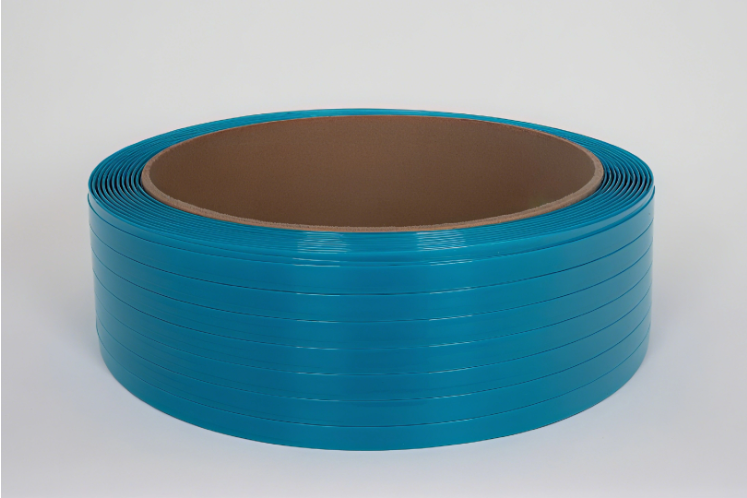
Understanding PP Strap and Its Applications
In current transportation and warehouse operations, polypropylene strapping is one of the most flexible and cost-effective ways to package things. This thermoplastic material is very flexible and strong at the same time, which makes it useful in a wide range of industrial settings. Because polypropylene straps are light, they help keep light to medium-weight loads securely in place while also saving money on shipping costs.
Material Properties and Characteristics
PP strap is very resistant to water, chemicals, and rust, which makes it a great choice for places where metal binding might break down. The material stays strong in a wide range of temperatures that are common in warehouses and shipping centers. Because polypropylene is stretchy, the strap can bend to fit oddly shaped packages while keeping the same stress over time.
Automatic polypropylene strapping options have better performance features that are made to work with fully automatic packing systems. The tensile strength of these straps is high, running from 45 kg to 230 kg. You can choose from lengths of 5-19 mm and thicknesses of 0.35-0.8 mm. The material's great adhesion qualities make it effective for all kinds of sealing methods.
Industrial Applications Across Sectors
Manufacturing facilities in electronics, paper, and metal processing rely heavily on polypropylene strapping for securing heavy loads during transportation. The material consistently performs well, which makes it very useful for automatic packing lines that need to be reliable and quick. When binding bales for long-term storage, the strap's UV protection and temperature stability are helpful for cotton production plants and farms.
Compared to standard steel strapping, logistics and storage operations like polypropylene strapping because it saves them money and makes their work more efficient. The material can be used with both manual and automatic strapping machines, which lets facilities make the best use of their packing methods based on volume needs and working limitations.
Step-by-Step Guide to Properly Seal and Tension a PP Strap
To get the best results from pp strap roll, you need to plan ahead and pay close attention to the technical details. The process starts with setting up the work area correctly and choosing the right tools. Next, the tension is carefully adjusted, and finally, the seal is made securely.
Preparation and Tool Selection
Preparing the work area means making sure it is clean and dry so that the seal can form properly. To keep seals from failing, strapping tools need to be regularly serviced and adjusted according to the manufacturer's instructions. When using a different width or thickness of strap, manual tools need to be adjusted correctly. On the other hand, automatic systems need to be calibrated on a regular basis to keep their performance uniform.
The right sealing material is chosen based on the needs of the product and the load factors. On the other hand, metal seals are stronger for heavy-duty uses, and friction welding works great for medium-weight packages without needing any extra supplies. When it's set up correctly for the type of polypropylene being used, heat sealing gives solid results.
Tension Application Techniques
To use tension correctly, start by wrapping the PP strap around the package so that it overlaps just enough for the way of closing you've chosen. To get even tension across the surface of the package when tensioning by hand, you need to apply steady, consistent pressure. Automated systems should be set up with stress factors that take into account the weight of the load, the size of the package, and the conditions of the transport.
Too much tension can lead to early failure or damage to the package, while not enough tension makes the load less secure. Depending on the package and how it needs to be handled, the best stress level is usually between 60 and 80% of the strap's rated break strength. When figuring out the right stress levels, environmental factors like changes in temperature during travel must be taken into account.
Sealing Methods and Best Practices
When applying a metal seal, the crimp tool needs to be adjusted correctly so that the seal forms consistently without breaking the strap material. The seal should be put in a way that properly distributes the load forces and makes it easy to remove if needed. To make molecular bonds between overlapping strap pieces that last, friction welding methods need precise tool placement and consistent pressure application.
To keep materials from breaking down and to make sure they fuse completely, heat sealing processes need to keep the temperature within narrow ranges. To get a stable seal quality in a variety of environments, the sealing tool must keep the same touch time and pressure.
Common Challenges and Troubleshooting When Sealing and Tensioning PP Straps
Failures in package security are often caused by bad closing methods or bad stress control during the strapping process. When procurement workers know about common failure modes and what causes them, they can take preventative steps that make packing more reliable overall.
Seal Failure Analysis and Prevention
Most of the time, an incomplete seal is caused by dirty strap surfaces, wrong tool settings, or not applying enough pressure during the sealing process. Failures caused by contamination can be avoided by cleaning strapping equipment regularly and following the right repair plans. To make sure that the quality of the seals is always the same, the maker should write down and follow the steps for tool adjustment.
Extreme temperatures or humidity levels in the environment can change how a seal forms and how well it works over time. Controlling the storage conditions of both strapping materials and finished goods is important to keep them from breaking down in ways that could make them less safe during travel.
Tension-Related Issues and Solutions
If there is too much stress on a strap, it can break right away or slowly fail under load. Analysis of load distribution helps find the right tension levels that give enough safety without putting too much stress on the binding material. When designing a package, things like edge protection and load spread have a big effect on the ideal tension needs.
If there isn't enough tension, the package can move around while it's being handled and transported, which could damage the product or make the load unstable. Regular checks and adjustments of the tension make sure that the system works the same way even when the load and surroundings change.
Comparing PP Strap with Other Strapping Options for Procurement Decisions
To choose the right strapping material strategically, you need to look at its performance, cost, and how well it works with other materials. There are clear benefits to using polypropylene strapping roll in certain situations, while other materials may be better for other needs.
Performance Characteristics Comparison
Polypropylene strapping is great for loads that might move or settle while being shipped because it is very flexible and can stretch a lot. Steel strapping has better tensile strength for very big loads, but it is less flexible and doesn't fight rust as well as polypropylene strapping. PET strapping is very strong and doesn't stretch much, so it can be used for heavy loads that need to be kept in exact strain.
The cost of shipping is heavily affected by how heavy something is, and polypropylene's light weight gives it clear benefits over steel options. Polypropylene strapping is also safer than steel strapping because it breaks with a lower chance of hurting someone.
Cost-Benefit Analysis for Procurement
Overall working costs for strapping include a lot more than just the cost of materials. Labor, tools, and disposal fees also play a big role. Polypropylene strapping often has a lower total cost of ownership because it requires less work, is easier to get rid of, and doesn't need as much upkeep.
Instead of just looking at unit prices, factors for choosing a supplier should stress consistent quality, technical help, and the reliability of the supply chain. A full review of a supplier looks at their ability to make things, their quality control methods, and how quickly they respond to customer service requests.
Optimizing PP Strap Use: Performance Metrics and Up-to-Date Industry Practices
To keep strapping processes getting better, key performance measures need to be tracked regularly, and new technologies that make them more reliable and efficient need to be used.
Performance Monitoring and Quality Control
Testing the tensile strength and measuring the elongation of a strap are two ways to get a numeric idea of its quality and uniformity of performance. Testing materials on a regular basis helps find differences in the materials that might affect how well the packing works. Seal integrity testing makes sure that sealing processes work and finds ways to make the processes better.
Tracking the number of failed seals, the consistency of the tension, and total throughput measures are all parts of watching equipment performance. These data help plan maintenance and find ways to improve operations in a way that boosts quality and output.
Technology Integration and Automation
Modern automatic strapping systems are more accurate and consistent than human ones. They also save money on labor and make the workplace safer. Integration with warehouse management systems lets you keep track of things in real time and record quality information that helps with efforts to keep getting better.
Advanced PP strap formulas have better resistance to UV light, better stretching properties, and better seal formation properties. These improvements allow for a wider range of uses and better performance in tough weather circumstances.
Conclusion
To properly seal and tension polypropylene straps, you need to pay close attention to the qualities of the material, how it is used, and external factors that can affect how well it works in the long run. To be successful, you need to know how much load you need to carry, pick the right tools and methods, and use quality control measures to make sure you always get the same results. PP strap options are very useful for many industry tasks because they are flexible and affordable. They can be used for everything from light packing to heavy-duty logistics. If procurement professionals learn these methods and keep up with changes in technology, they will be able to improve the performance of their packaging and make their supply chain processes more efficient.
FAQ
What tension level should be applied to PP straps for heavy loads?
Heavy loads typically require tension levels between 70-80% of the strap's rated break strength. The exact strain is based on the weight of the load, the size of the package, and the conditions of transport. If the weight is more than 500 kg, you might need more than one strap or to think about using a stronger material like PET strapping.
Should I choose metal seals or friction welding for PP strap applications?
When it comes to heavy-duty uses and outdoor storage, metal seals are the most reliable and strong option. When used indoors with low loads, friction welding works very well and doesn't require any seals to be replaced. The choice relies on how strong it needs to be, the weather, and how much it costs.
Can PP straps be reused in industrial packaging operations?
PP straps can be used again as long as they don't show signs of stress damage, stay the right width and thickness, and haven't been in harsh circumstances. However, reuse isn't usually a good idea for important apps because it could hurt speed and cause problems with liability.
Partner with Jushuo Packaging for Superior PP Strap Solutions
stable strapping materials that come with full technical help and stable supply are needed for high-quality packaging processes. Jushuo Packaging uses modern production technologies and more than ten years of manufacturing experience to make PP strap solutions that meet the most stringent industry needs. Our 15,000㎡ factory uses Italian screen changes and cutting-edge cold-drawing technology to make sure that all of our products have the best tensile strength and resilience.
Procurement managers and warehouse operations heads benefit from our extensive customization capabilities, such as widths from 5mm to 19mm, thicknesses from 0.35mm to 0.8mm, and break force ratings from 45kg to 230kg, to match specific application requirements. Our design and construction services for automatic packaging assembly lines give you complete solutions that make your business more efficient and cut costs over time. Get in touch with our technical team at sales@jushuopackaging.com to talk about your pp strap supplier needs and find out how our tried-and-true solutions can improve your packaging operations with reliable performance and top-notch customer service.
References
Johnson, M.R. and Thompson, K.L. "Industrial Strapping Materials: Performance Analysis and Application Guidelines." Packaging Technology Review, 2023.
Anderson, P.J. "Polypropylene Strapping in Automated Packaging Systems: Efficiency and Reliability Studies." International Journal of Packaging Science, 2023.
Wilson, D.S. et al. "Comparative Analysis of Plastic Strapping Materials for Heavy-Duty Industrial Applications." Materials Engineering Quarterly, 2024.
Brown, L.M. "Sealing Technology Advances in Thermoplastic Strapping Applications." Packaging Machinery International, 2023.
Davis, R.K. and Martinez, C.A. "Supply Chain Optimization Through Strategic Strapping Material Selection." Logistics Management Today, 2024.
Taylor, S.J. "Quality Control Procedures for Industrial Strapping Operations: Best Practices and Performance Metrics." Packaging Quality Assurance, 2023.

 English
 العربية
 Français
 Русский
 Español
 Português
 Deutsch
 italiano
 日本語
日本語 한국어
한국어 Nederlands
 Tiếng Việt
 ไทย
ไทย Polski
 Türkçe
 አማርኛ
አማርኛ ພາສາລາວ
 ភាសាខ្មែរ
 Bahasa Melayu
 ဗမာစာ
ဗမာစာ தமிழ்
தமிழ் Filipino
 Bahasa Indonesia
 magyar
 Română
 Čeština
 Монгол
 қазақ
қазақ Српски
 हिन्दी
 فارسی
فارسی Kiswahili
 Slovenčina
 Slovenščina
 Norsk
Norsk Svenska
 українська
 Ελληνικά
 Suomi
Suomi Հայերեն
 עברית
עברית Latine
 Dansk
Dansk اردو
اردو Shqip
Shqip বাংলা
বাংলা Hrvatski
 Afrikaans
 Gaeilge
 Eesti keel
 Māori
Māori සිංහල
සිංහල नेपाली
 Oʻzbekcha
 latviešu
 অসমীয়া
 Aymara
 Azərbaycan dili
 Bamanankan
 Euskara
 Беларуская мова
 भोजपुरी
 Bosanski
 Български
 Català
 Cebuano
 Corsu
Corsu ދިވެހި
 डोग्रिड ने दी
 Esperanto
 Eʋegbe
 Frysk
Frysk Galego
 ქართული
 guarani
 ગુજરાતી
 Kreyòl ayisyen
 Hausa
Hausa ʻŌlelo Hawaiʻi
 Hmoob
Hmoob íslenska
 Igbo
Igbo Ilocano
 Basa Jawa
 ಕನ್ನಡ
ಕನ್ನಡ Kinyarwanda
 गोंगेन हें नांव
 Krio we dɛn kɔl Krio
 Kurdî
Kurdî Kurdî
Kurdî Кыргызча
 Lingala
 Lietuvių
 Oluganda
 Lëtzebuergesch
 Македонски
 मैथिली
 Malagasy
 മലയാളം
 Malti
Malti मराठी
मराठी ꯃꯦꯇꯥꯏ (ꯃꯅꯤꯄꯨꯔꯤ) ꯴.
 Mizo tawng
 Chichewa
 ଓଡ଼ିଆ
ଓଡ଼ିଆ Afaan Oromoo
 پښتو
پښتو ਪੰਜਾਬੀ
 Runasimi
 Gagana Samoa
 संस्कृत
 Gaelo Albannach
 Sepeti
 Sesotho
 chiShona
 سنڌي
سنڌي Soomaali
 Basa Sunda
 Wikang Tagalog
 Тоҷикӣ
 Татарча
 తెలుగు
 ትግንያውያን
 Xitsonga
 Türkmençe
 संस्कृत
 ئۇيغۇرچە
 Cymraeg
 isiXhosa
 ייִדיש
 Yorùbá
 isiZulu


