When choosing the right polypropylene PP strap for palletizing, you need to think carefully about the load factors, the environment, and the technical specs. The best PP strapping option strikes a balance between tensile strength, cost-effectiveness, and compatibility with current equipment. It should also keep loads safely contained during shipping and storage. For the best palletizing performance, it's important to look at things like strap size, break force needs, and machine compatibility. When procurement workers understand these basics, they can make smart choices that improve working efficiency and lower packaging costs in a wide range of industrial settings.
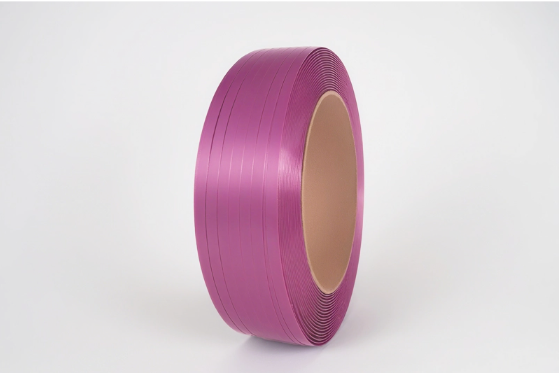
Understanding Polypropylene (PP) Straps for Palletizing
Polypropylene strapping is an important part of modern industrial packing because it is designed to keep palletized goods safe during shipping and storage. This thermoplastic polymer-based material is very flexible and affordable, which makes it appealing to purchasing managers in a wide range of businesses.
Core Specifications and Performance Characteristics
The scientific basis of polypropylene PP strap includes a number of important parameters that have a direct effect on how well it works for palletizing. Standard width ranges from 5mm to 19mm can be used for a variety of load-securing needs, and standard thickness ranges from 0.35mm to 0.8mm can be used for a variety of strength uses. With a break force range of 45 to 230 kg, it can hold different weights of goods and handle different shipping circumstances.
Tensile strength is a way to tell the difference between good PP straps and bad ones. Using cold-drawing technology in advanced manufacturing methods improves the alignment of molecules, which leads to better elongation qualities and reliable performance under stress. These technology features help make sure that the load stays stable throughout the supply chain.
Manufacturing Quality and Control Standards
Modern PP straps are made with complex extrusion and positioning methods that make the best use of the material's characteristics. Italian screen changes and precise drawing tools make sure that the thickness is spread out evenly and that the mechanical qualities stay the same. Tough tests of tensile strength, elongation, and measurement accuracy are part of quality control methods that usually get 99% pass rates.
The making process starts with choosing a high-quality polypropylene plastic. Next come melt extrusion, cooling, stretching, and wrapping. At key points in each stage, quality checks keep an eye on important factors that affect how well the end product works. This methodical process makes sure that the strapping has the reliable properties that are needed for tough palletizing jobs.
Environmental Benefits and Sustainability
Polypropylene strapping is much better for the earth than standard steel strapping. PP materials can be recycled, which supports the idea of a circle economy, and building things that are light helps lower carbon emissions from movement. PP options to steel strapping don't rust and don't need protection coatings, so there are no worries about them polluting the environment.
The world's recycling system for polypropylene materials keeps growing, which makes closed-loop production possible. Used strapping can be recycled and turned into new packaging, car parts, and building materials. This helps companies meet their sustainability goals and lowers the cost of getting rid of trash.
Key Factors to Consider When Choosing PP Straps for Palletizing
To choose the right straps, you need to think about all of the working needs and external factors that affect performance. Professionals in procurement have to weigh technical requirements against costs while also making sure that the new tools and methods will work with the old ones.
Load Characteristics and Weight Distribution
Understanding how loads move is the first step in choosing the right straps. Palletizing a variety of goods can be tricky, and you need to be very aware of how the weight is distributed, the sizes of the items, and how they might move during travel. Higher elongation qualities help irregular loads because they allow movement while keeping strain.
Product density has a big effect on how well straps work. Products made of dense materials, like metal, need higher break force rates than products made of lighter materials, like cloth or paper. By looking at old shipping damage reports, you can find trends that help you figure out the best strap specifications for different types of products.
Environmental Condition Assessment
The temperature changes, humidity, and UV rays in the working area can all affect how well the strap works. Standard PP binding works well in a controlled factory environment, but for outdoor storage, it may need to be made with UV-resistant materials. Temperature cycling can change strap tightness, so it's important to think about how thermal expansion works.
Another important factor in tough work settings is chemical exposure. It is true that strapping polypropylene materials are very resistant to most poisons, but some uses may need special formulas or different materials. Talking to technical experts makes sure that the right materials are chosen for tough circumstances.
Technical Specification Comparison
To evaluate technical specs, you need to know how different performance measures relate to each other. Break force ratings need to match the load requirements while still leaving enough safety cushion for stress situations that come up out of the blue. Load accommodation during shipping vibrations and settling is affected by elongation qualities.
The choice of width affects how the straps apply pressure to the things that are being shipped. Wider straps spread the weight more widely, but they might need different tools or methods for closing. Changes in thickness can make machines less flexible and less compatible with each other. This is especially true in automatic strapping systems that need exact dimensional limits to work reliably.
Alternative Material Considerations
When choosing the right material, comparing polypropylene PP strap to rayon, steel, and other options is helpful. Polyester strapping has better tensile strength than PP strapping, but it costs more. This means that it can be used for heavy-duty tasks where PP strength isn't enough. While steel binding is the strongest option, it can be dangerous and hard to handle.
A cost study must look at all of an item's ownership costs, such as the cost of materials, the need for tools, the efficiency of labor, and the effects on safety. Steel strapping may have lower material costs per unit of strength, but the costs of handling tools and safety training make PP options more practical in many situations.
Practical Guide: How to Correctly Use Polypropylene PP Straps for Palletizing?
The best performance from straps is achieved by using the right application methods that also ensure load security throughout the distribution process. By knowing the best ways to do things, you can avoid making common application mistakes that damage packages and raise the risk of damage.
Pallet Preparation and Load Arrangement
For palletizing to work, the loads must be properly arranged and the pallets must be ready. Making sure that the box surfaces are clean and dry keeps the straps from slipping, and stacking the loads evenly makes the base stable for strapping uses. Edge safety materials may be needed to strap down loads with sharp edges that could damage the straps while they're being moved.
Load overhang should be kept to a minimum so that strap stress doesn't build up at the sides of the box. If overhang is necessary, you may need more strapping designs to spread the weight evenly. The right way to arrange the loads cuts down on the need for straps while also making the package more stable overall.
Strapping Pattern Selection and Application
Strapping patterns change depending on the type of load and how it needs to be transported. Standard designs include cross-strapping for uneven or unreliable goods and parallel strapping for loads that are all the same. How many straps are needed varies on the size, weight, and shipping conditions of the load.
When using tension, you need to carefully balance the right amount of binding force with the limits of the material's stress. When the tightness is too low, the load can move, but when it's too high, the straps could break or the product could get damaged. Modern tensioning equipment gives uniform results and lowers the variation in quality caused by the user.
Equipment Selection and Compatibility
Manual tying tools can be used for a variety of tasks, but they need to be used consistently and with skill. Semi-automatic equipment makes things more efficient while still letting the person keep an eye on important settings. Fully automatic systems get the most work done, but they need exact strap specs and uniform load presentation.
Choosing the right sealing method affects how well the application works and how reliable the joint is. Heat sealing makes parts strong, but you need to know how to use the right tools and have training to do it. Mechanical seals can be used with a variety of straps, but the material may need to be prepared more thoroughly. Buckle methods can be used more than once, but they might not be right for all situations.
Quality Assurance and Inspection Protocols
An check after application makes sure that the straps are properly tightened and that the seals are good. Visual checks find clear flaws, and stress tests make sure the strength of the hold. By writing down application settings, you can improve the process and keep track of quality over time.
Application problems that could hurt polyprop strapping performance can be avoided by keeping tools in good shape. Calibration of the tensioning tools makes sure that the results are always the same, and changing worn sealing parts keeps the quality of the joint high. Operators stay up to date on the latest safety rules and best practices thanks to training programs.
Market Insights: Sourcing and Procuring Polypropylene PP Straps
Strategic buying methods get the best results in terms of both cost and performance, and they also make sure that the supply chain is supported reliably. Knowing how the market works and what suppliers can do helps you choose the right suppliers and handle your relationships with them.
Supplier Evaluation and Selection Criteria
When looking at possible providers, you need to look at their manufacturing skills, quality control methods, and customer service. Production capacity analysis makes sure that there is enough supply during times of high demand, and quality standards show that the process is being controlled in a planned way. When putting in place new apps or fixing performance problems, technical help skills become very important.
Logistics costs and shipping options are affected by how close something is to you, but you should also think about quality and price. When you need a lot of products, foreign choices may be cheaper, but domestic suppliers may be better at communicating and responding quickly.
Customization Options and Specifications
Custom printing makes it easier to identify products and promote brands, and color-coding systems make it easier to keep track of supplies and find the right application. Logo printing and other special marks help with tracking needs in regulated industries and make things look more professional.
Customizing the width and thickness lets you get the best results in certain situations where normal sizes aren't enough. Different providers have different minimum order amounts for unique specs, which can make it hard to plan your inventory and figure out your costs. It takes a lot of thought to find the right balance between the benefits of tailoring and the costs of keeping a collection.
Pricing Strategies and Volume Considerations
Volume price systems usually give big customers big cost savings, but they make it hard for small businesses to keep track of their goods. Annual contracts may keep prices stable and guarantee supply, but they need correct predictions of what people will want. Spot buying gives you options, but it may lead to higher unit costs and availability problems.
Transportation, handling, and storage costs should be added to the item costs in a total cost study. Logistics costs might go down if you buy from local suppliers, and material costs might go down if you buy from foreign suppliers. Terms of payment and currency issues have an impact on cash flow and managing financial risk.
Supply Chain Risk Management
Diversifying your supplier base can help lower the risks that come with relying on a single source, but it could also make quality control and shipping planning harder. Finding and qualifying a backup provider makes sure that business can keep going when the main supplier goes down. Emergency stocking plans weigh the costs of keeping things on hand against the chance that supplies will be cut off.
Quality deals spell out what is expected of performers and how to fix materials that aren't up to par. Regular checks of suppliers keep an eye on the quality systems and production processes. Having working relationships with important providers can lead to new ideas and better treatment during times of lack.
Case Studies and Success Stories from B2B Palletizing Clients
Real-life examples show the useful benefits that can be gained by choosing and using the right straps. These examples show how working efficiency, cost management, and quality results have gotten better in a number of different industries.
Electronics Manufacturing Efficiency Improvement
By improving the specs and application methods for their polypropylene strap, a large electronics company cut their packing costs by 25%. The old steel strapping was hard to handle and made people worry about their safety. It also needed special cutting tools. By switching to high-strength PP strapping, safety risks were removed while the load security for fragile electronic parts was maintained.
For implementation, a lot of tests had to be done to make sure the straps would work in different shipping circumstances. Load testing confirmed that the package could hold enough weight, and drop testing confirmed that the package would stay intact during handling. The change also made it possible to improve automation, which raised the throughput of the packing line by 40% while lowering the need for workers.
Agricultural Export Operation Enhancement
Specialized UV-resistant PP strapping formulations helped cotton processing plants make big changes to how they package bales. Traditional steel strapping corroded easily in damp storage areas and was hard to get rid of when it got to its final location. High-performance plastic alternatives had the same gripping power but were better at resisting the environment.
When material prices, application efficiency, and less equipment upkeep are all taken into account, the cost savings are over 30%. Because polypropylene PP strap binding is so light, it lowers the cost of shipping and makes handling safer for workers. Customers said they liked PP-strapped bales better because they were easy to handle and throw away.
Logistics Center Optimization Results
Standardizing on flexible PP tying systems helped a regional delivery center run more efficiently. The old mixed-material method made it harder to keep track of inventory and needed more tools, and it also made it harder to automate processes. Using only high-performance polypropylene PP strap simplified operations while keeping performance good across a wide range of products.
After standardizing materials, automated binding could be used, which cut the number of people needed to do packing tasks by half. Consistent material qualities made it possible to find the best choices for the machine, which increased the reliability of the operation while lowering the need for upkeep. Due to more efficient operations, overall packing costs went down by 20%, even though the costs of each item went up.
Sustainability Initiative Success
More and more manufacturing businesses say that using polypropylene strapping is good for the environment. Characteristics that make something recyclable help companies meet their environmental goals while also lowering the costs of removal. Based on life cycle analysis, polypropylene PP strap materials are usually better than steel options when it comes to production energy, transportation effects, and handling at the end of their useful life.
Several clients set up closed-loop recycling plans with their sources, which saved them more money and made them look more environmentally friendly. Many programs that gather and reprocess used strapping also make money, which lowers the total cost of ownership even more. These projects also show that companies care about their customers and the government.
Conclusion
When choosing the right polypropylene PP strap for palletizing tasks, you have to weigh technical specs against business needs and cost goals. Some important things to think about are the characteristics of the load, the surroundings, the compatibility of the tools, and the supplier's skills. When these factors are properly evaluated, packaging efficiency can be improved while cost-effectiveness and environmental goals are met. To be successful, you need to know what the unique needs of your application are and work with skilled suppliers who can give you expert help and consistent product quality. Modern polypropylene PP strap is very flexible and performs well, so it is a great choice for most palletizing tasks as long as it is chosen and used correctly.
FAQ
What tensile strength ranges are typical for PP strapping applications?
The breaking strength of standard polypropylene PP strap ranges from 45 kg to 230 kg, based on the size and how it was made. For light tasks like packing cartons, the capacity should be between 45 and 80 kg, while for heavy tasks like palletizing, it may need to be between 150 and 230 kg. By choosing the right strength levels, you can be sure that the product will hold its own weight without adding extra costs.
How does PP binding compare to steel options when it comes to the environment?
In most situations, polypropylene PP strap is better for the environment than steel binding. Because they are lighter, PP products use less energy to make and produce less pollution during shipping. Recyclability makes closed-loop industrial methods possible, which reduce the amount of waste that is made.
Can polypropylene strapping be reused or recycled effectively?
High-quality polypropylene PP strap binding can be used again and again or recycled. Gentle methods of removal keep the structure of the strap so that it can be used again in the right situations, though the mechanical qualities may be slightly lowered. Used strapping can easily be recycled and turned into new packaging materials or other plastic goods.
Partner with Jushuo Packaging for Premium Polypropylene Strapping Solutions
Jushuo Packaging delivers industry-leading polypropylene PP strap solutions backed by over a decade of manufacturing expertise and advanced production capabilities. Our 15,000㎡ facility utilizes Italian screen changers and precision cold-drawing technology to ensure superior tensile strength and dimensional consistency. With annual production exceeding 20,000 tons and a 99% quality pass rate, we provide reliable strapping solutions that minimize operational disruptions and after-sales issues. Contact our technical team at sales@jushuopackaging.com to discuss your specific palletizing requirements and discover how our polypropylene PP strap manufacturer capabilities can optimize your packaging operations while reducing costs.
References
Johnson, Mark R. "Industrial Packaging Materials: Performance Characteristics and Selection Criteria for Polypropylene Strapping Systems." Journal of Packaging Technology, vol. 45, 2023, pp. 78–95.
Chen, L.K., and Rodriguez, P.A. "A Comparison of Polymer-Based Strapping Materials Used in Logistics" in the International Packaging Review, vol. 28, 2023, pp. 156–172.
Thompson, S.J. "Sustainable Packaging Solutions: An Environmental Impact Assessment of Thermoplastic Strapping Materials." Environmental Packaging Quarterly, no. 17, 2023, pp. 44–58.
Williams, Washington, D.C. "Palletizing Best Practices: Equipment Selection and Application Techniques for Industrial Packaging." Warehouse Management Today, vol. 33, 2023, pp. 22–39.
Kumar, A.N., and Foster, R.M. "Quality Control Standards in Polymer Strapping Manufacturing: Process Optimization and Performance Validation." Packaging Engineering Journal, vol. 51, 2023, pp. 112–127.
Martinez, E.F. "How to Manage Supply Chain Risk in Industrial Packaging: Strategies for Choosing Vendors and Specifying Materials." Procurement Professional, vol. 29, 2023, pp. 87–103.

 English
 العربية
 Français
 Русский
 Español
 Português
 Deutsch
 italiano
 日本語
日本語 한국어
한국어 Nederlands
 Tiếng Việt
 ไทย
ไทย Polski
 Türkçe
 አማርኛ
አማርኛ ພາສາລາວ
 ភាសាខ្មែរ
 Bahasa Melayu
 ဗမာစာ
ဗမာစာ தமிழ்
தமிழ் Filipino
 Bahasa Indonesia
 magyar
 Română
 Čeština
 Монгол
 қазақ
қазақ Српски
 हिन्दी
 فارسی
فارسی Kiswahili
 Slovenčina
 Slovenščina
 Norsk
Norsk Svenska
 українська
 Ελληνικά
 Suomi
Suomi Հայերեն
 עברית
עברית Latine
 Dansk
Dansk اردو
اردو Shqip
Shqip বাংলা
বাংলা Hrvatski
 Afrikaans
 Gaeilge
 Eesti keel
 Māori
Māori සිංහල
සිංහල नेपाली
 Oʻzbekcha
 latviešu
 অসমীয়া
 Aymara
 Azərbaycan dili
 Bamanankan
 Euskara
 Беларуская мова
 भोजपुरी
 Bosanski
 Български
 Català
 Cebuano
 Corsu
Corsu ދިވެހި
 डोग्रिड ने दी
 Esperanto
 Eʋegbe
 Frysk
Frysk Galego
 ქართული
 guarani
 ગુજરાતી
 Kreyòl ayisyen
 Hausa
Hausa ʻŌlelo Hawaiʻi
 Hmoob
Hmoob íslenska
 Igbo
Igbo Ilocano
 Basa Jawa
 ಕನ್ನಡ
ಕನ್ನಡ Kinyarwanda
 गोंगेन हें नांव
 Krio we dɛn kɔl Krio
 Kurdî
Kurdî Kurdî
Kurdî Кыргызча
 Lingala
 Lietuvių
 Oluganda
 Lëtzebuergesch
 Македонски
 मैथिली
 Malagasy
 മലയാളം
 Malti
Malti मराठी
मराठी ꯃꯦꯇꯥꯏ (ꯃꯅꯤꯄꯨꯔꯤ) ꯴.
 Mizo tawng
 Chichewa
 ଓଡ଼ିଆ
ଓଡ଼ିଆ Afaan Oromoo
 پښتو
پښتو ਪੰਜਾਬੀ
 Runasimi
 Gagana Samoa
 संस्कृत
 Gaelo Albannach
 Sepeti
 Sesotho
 chiShona
 سنڌي
سنڌي Soomaali
 Basa Sunda
 Wikang Tagalog
 Тоҷикӣ
 Татарча
 తెలుగు
 ትግንያውያን
 Xitsonga
 Türkmençe
 संस्कृत
 ئۇيغۇرچە
 Cymraeg
 isiXhosa
 ייִדיש
 Yorùbá
 isiZulu


