For successful purchase of polyester strap for industrial uses, it is important to know how storage conditions affect the material's performance. Bad storage can weaken straps by as much as 30%, which can cause packing problems and expensive damage to the product. This detailed guide looks at the important connection between storage conditions and the integrity of polyester straps. It is meant to help purchasing managers, engineers, and marketers make smart choices about how to handle materials and keep track of their stock.
Understanding Polyester Strap Material Properties and Storage Vulnerabilities
Core Material Composition and Structural Characteristics
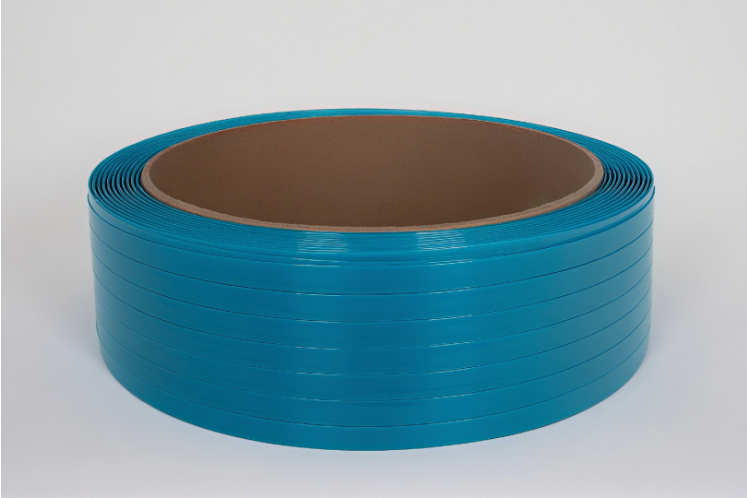
Polyester strapping, which is also called PET plastic steel packing belt, is a huge step forward in the way materials are used for packaging. Their strength comes from the polyethylene terephthalate (PET) polymer structure, which makes long molecular chains that give them great tensile qualities. During the manufacturing process, these molecular chains arrange themselves in a crystalline structure. This gives the material its unique mix of strength and flexibility.
The crystallinity of PET strapping has a direct effect on how well it works. When it comes to elongation, a smaller crystallinity content is better and a higher crystalline content may make the material less flexible. Modern production methods use controlled cooling and drawing processes to get the best crystalline organization. Tensile strength ranges for standard strapping from 180 kg to 1360 kg, based on how the width and thickness are set up. The molecular arrangement also affects how the material reacts to stresses in the environment. This means that the way it is stored is very important for keeping its original performance specs.
Environmental Sensitivity Factors
The environment can make it hard for PET strapping to stay strong over time. One of the most destructive factors is UV light, which breaks down polymer chains through photodegradation. This breakdown happens when UV energy is higher than the bond strength of polymer chains. This makes the chains separate, which weakens the material as a whole. How quickly something breaks down in UV light depends on how strong the radiation is, how long it is exposed to, and whether or not the object has UV stabilizers in it.
The ability to absorb water is another weakness, though PET materials don't take in as much water as other plastics. Even a small amount of moisture absorption can change the stability of the shape and could start hydrolysis processes at certain temperatures. Changes in temperature put stress on the structure of the material, which could lead to microcracks or changes in the crystalline organization that keeps the structure together.
Industry Standards for Storage Requirements
Professional storage procedures are based on well-known industry standards that are meant to keep the integrity of materials throughout the supply chain. ASTM D3950 gives detailed instructions on how to store plastic strapping, including the right temperature and humidity levels and the right way to handle it. To lower the risk of degradation, these guidelines suggest places with controlled temperatures, shade, and certain levels of humidity.
The ISO 16120 environmental testing procedures set out ways to check how well a material works in different storage conditions. These standards for testing help both makers and users understand how different types of environmental exposure affect performance over time. Following these standards is often what determines warranty coverage and liability issues. This makes following these standards very important for buying choices and building relationships with suppliers.
Critical Storage Conditions That Affect Strap Performance
Temperature Control and Thermal Cycling Impact
The most important part of storing polyester cord strapping correctly is keeping the temperature stable. The best temperature range for keeping is between 10°C and 25°C (50°F and 77°F). This keeps the material stable and stops thermal stress from building up. Temperatures above this range can speed up the crystallization process, which could make the material more fragile and less able to handle pressure when it is being used.
When PET products are kept at high temperatures for a long time, heat-induced crystallization happens. In some cases, this process can make the material stronger when pulled apart, but it often makes it less flexible and elongated, which are important for strapping uses. Keeping things in cold storage can be hard in some ways, like making them more brittle and less resistant to pressure. When materials go through repeated changes in temperature, this is called thermal cycle. It builds up stress that can weaken the structure of the polymer over time.
By knowing about these temperature effects, facilities can create the right storage spaces to keep materials in good condition during inventory rounds. Climate-controlled storage places are the best way to keep things from breaking down because of changes in temperature, but they cost a lot to set up and run on a regular basis.
Humidity Management and Moisture Protection
Controlling humidity is a very important part of keeping the quality of PET strapping while it is being stored. The best range for relative humidity is between 45 and 65% RH. This range stops both too much moisture absorption and the building of static electricity, which can make handling more difficult. When temperatures are high and humidity is high, the chance of hydrolysis processes going wrong goes up.
Moisture protection tactics include more than just controlling the humidity in the air. They also include keeping the integrity of the packaging. For normal storage times, the original packaging from the manufacturer usually provides enough barrier protection. However, packages that have been opened need extra protection by being resealed or using secondary packaging methods. The materials used for packing must be able to keep moisture out while still allowing for temperature changes.
In places with a lot of moisture, where chemical processes can break polymer bonds, stopping hydrolysis is even more important. Even though PET is less likely to break down when it comes to water than some other plastics, it can still be damaged by high humidity and temperature for a long time. Having the right air systems in place helps keep humidity levels stable and stops water from building up in storage areas.
UV Exposure and Light Protection Strategies
Ultraviolet radiation is the most dangerous thing for kept PET strapping materials. UV bands in direct sunlight are very strong and can break polymer bonds through photodegradation. This wear and tear happens slowly, starting with surface chalking or discoloration and moving on to changing the structure's properties.
When planning warehouse lighting, it's important to think about more than just natural light. Fluorescent lighting gives off UV rays that can break down materials over long periods of time. LED lighting systems usually put out very little UV light, which makes them the best choice for places that store vulnerable materials. The right choice of lighting strikes a balance between the need for practical visibility and the need to protect materials.
Practical ways to protect against UV light include using protective packing and planning where to store things. Direct sunlight should not be allowed in storage places, and items should be kept in their original UV-protective packaging as much as possible. When it's time to repackage, materials that are resistant to UV light help keep safety levels high during storage.
Measuring and Monitoring Storage Impact on Strap Strength
Tensile Strength Testing Protocols
Systematic testing is a good way to keep an eye on the state of materials and catch degradation caused by storage early. The ASTM D638 testing technique provides standard ways to check the tensile properties of old materials. In this test, samples that have been kept are compared to baselines of new material to see how much their strength has decreased over time.
To find useful correlations, it's important to keep careful records of the storage conditions and length of time for samples taken from stored inventory. Samples from different storage locations and times should be included in testing procedures so that environmental changes within facilities can be found. Testing on a regular basis helps find trends of gradual degradation before they get bad enough to affect daily performance.
Setting a baseline means testing new materials as soon as they arrive to record their original performance qualities. These initial readings give us a way to compare the effects of storage on the materials and figure out when they need to be replaced. Testing results and storage state records should be kept in sync by documentation systems so that specific environmental factors that cause degradation can be found.
Visual Inspection and Quality Assessment
Visual inspection methods give you instant information about the condition of a material without the need for special testing tools. Chalking, which is when polymers break down and leave a powdery residue on the surface, and discoloration, which means UV damage or chemical poisoning, are both signs of surface degradation. These visual cues often show up before a big drop in strength does, which lets you start helping right away.
In flexibility and elasticity field testing, the material is moved by hand to see how it responds. Materials that have been stored and are becoming stiffer or more brittle may have been exposed to heat or UV light. By gently stretching, elongation tests can show changes in the elastic properties that affect how well the polyester PET strapping works when it is being used.
Documentation and traceability systems link what you see with records of where things were stored so you can find places or situations that aren't working right. Digital photography keeps permanent records of how things change over time, which can be used to back warranty claims or conversations with suppliers when quality problems happen.
Accelerated Aging Test Interpretation
To predict how a material will behave in the long run, accelerated aging protocols simulate long storage periods under controlled conditions. Samples are put through intense UV radiation in a UV chamber, which simulates years of warehouse lighting exposure in a shorter amount of time. These tests help figure out how long something can be stored safely and find materials that are more resistant to UV light.
Thermal aging methods test the effects of temperature by keeping samples at high temperatures for set amounts of time. Time extrapolation methods connect fast test results with real-life storage conditions to guess how long something will last in different types of environments. These predictions help with choices about managing inventory and planning purchases.
Predictive modeling uses accelerated aging data and real-life storage tracking to guess how fast things will break down. These models help facilities make the best use of inventory rotation plans and replacement schedules based on how things are stored and how they are used.
Storage Best Practices for Maximum Strap Longevity
Warehouse Design and Environmental Controls
Effective warehouse design incorporates climate control systems specifically configured for polymer material storage. Climate-controlled storage zones maintain consistent temperature and humidity levels while providing protection from environmental extremes. These dedicated areas may require separate HVAC systems to maintain optimal conditions independent of general warehouse environments.
Rack positioning and air circulation optimization ensure uniform environmental conditions throughout storage areas. Proper spacing between storage levels allows air circulation while preventing heat buildup that could create localized temperature variations. Strategic placement away from loading docks and overhead doors minimizes exposure to external weather conditions and temperature fluctuations.
Integration with existing inventory management systems streamlines material tracking while maintaining environmental integrity. Automated systems can monitor both material location and environmental conditions, providing alerts when storage parameters exceed acceptable ranges. These integrated systems support both operational efficiency and quality maintenance objectives.
Packaging and Protection Strategies
Original manufacturer packaging preservation provides the most reliable protection for stored materials. Manufacturer packaging incorporates specific barrier properties and UV protection designed for the contained products. Maintaining package integrity throughout storage periods ensures continued protection against environmental degradation factors.
Secondary protection for opened packages becomes necessary when original packaging cannot be maintained. Protective wrapping materials should provide UV barriers while allowing controlled air exchange to prevent moisture accumulation. Resealing techniques must balance accessibility for inventory sampling with continued environmental protection.
Bulk storage considerations require specialized packaging approaches for large-volume operations. Custom packaging solutions may incorporate desiccant materials for moisture control and UV-blocking films for light protection. These bulk storage systems must accommodate material handling equipment while maintaining protective barriers throughout storage periods.
Inventory Rotation and FIFO Implementation
Implementation of first-in-first-out protocols ensures older materials receive priority usage before potential degradation becomes significant. FIFO systems require clear identification and tracking of material receipt dates and storage durations. These protocols become particularly important for materials approaching recommended storage time limits.
Lot tracking and expiration date management provide systematic approaches to inventory control that support quality maintenance. Digital tracking systems can automatically flag materials approaching storage time limits and prioritize them for usage or quality evaluation. These systems integrate with procurement planning to ensure continuous material availability while minimizing waste from aged inventory.
Integration with MRP and procurement planning systems coordinates material usage with replacement scheduling. Automated systems can trigger reorders based on both quantity levels and storage duration limits, ensuring fresh material availability while minimizing inventory carrying costs. These integrated approaches balance operational efficiency with quality maintenance requirements.
Cost Impact Analysis and ROI of Proper Storage
Direct Cost Calculations
The costs of material decline go beyond just replacing the item; they also include problems with operations and poor quality. Bad polyester cord strapping materials might break when they're being used, which would mean more work to re-strap and possibly damage to the goods being shipped. Most of the time, these failure costs are much higher than the cost of the material itself, which makes preventing failure through proper keeping a very cost-effective strategy.
Failures in packaging and costs for fixing damaged goods are big secret costs of bad storage habits. When strapping fails during storage or transport, the damage to the goods can be more than a few thousand dollars per event. Damage to customer relationships and insurance claims add extra costs that can be completely avoided with good storing practices.
Costs of labor for re-strapping and problems with quality make operations less efficient over time. Instead of focused on productive tasks, workers have to spend more time fixing broken materials and poor quality. These inefficient uses of labor lower overall operational capability and raise the cost of packaging each unit.
Operational Efficiency Considerations
Less time lost because of broken straps increases the general efficiency of the equipment and the rate of production. Reliable materials allow packaging processes to go on continuously, without having to stop to replace materials or make adjustments to equipment. This dependability is especially useful in high-volume settings where short interruptions can have a big effect on daily output goals.
Consistent package quality and shipping performance leads to happier customers who stay with your business. Customers depend on safe wrapping to keep goods safe all along the supply chain. When straps fail and the integrity of the package is compromised, it can hurt relationships with customers and cost a lot more in lost business chances than the material costs saved.
Improving the dependability of the supply chain gives businesses a competitive edge by improving service quality and lowering their risk exposure. Reliable packaging materials help with on-time delivery and lower the chance of damage claims during transport. These changes in dependability often make higher prices worth it and help build long-term relationships with customers.
Long-term Strategic Benefits
Optimizing supplier relationships happens when quality standards are always met and performance feedback is given. Suppliers like customers who know how to handle materials safely and keep store areas in good shape. People with these kinds of ties often get better prices, first dibs on supplies when there are shortages, and early access to new products.
As customers demand better packaging and care for the environment, protecting your brand and its image become more important. Major customers often choose to do business with companies that are known for their reliable packing and high standards of quality. This image gives them a competitive edge that goes far beyond initial cost concerns.
To meet customer requirements and pass audits, you need quality control methods and written storage procedures. A lot of customers now check out the facilities of their suppliers to make sure they have the right skills and quality processes in place. Good storage habits and records show a dedication to quality, which can set companies apart in cases where they have to compete for contracts.
Conclusion
The right way to store polyester straps has a big effect on how well they work and how well they run. Controlling temperature, managing humidity, protecting against UV light, and keeping an eye on things on a regular basis are the basics of keeping materials intact throughout the supply chain. Investing in the right storage equipment and methods pays off in a big way by cutting down on waste, making operations run more smoothly, and making customers happier. Companies that put quality storage first show that they are dedicated to doing the best job possible, which sets them apart in competitive markets and helps them build long-term relationships with customers based on trustworthiness and performance.
FAQ
How long can polyester strapping be stored under optimal conditions before strength degradation becomes significant?
Under proper storage conditions with controlled temperature, humidity, and UV protection, high-quality polyester strapping can maintain 95% of its original tensile strength for 3-5 years. However, most manufacturers recommend using material within 2 years for critical applications to ensure optimal performance and reliability.
Can polyester strapping that has been stored in poor conditions be restored to original strength specifications?
Unfortunately, polymer degradation from poor storage conditions is irreversible. Once polyester strapping has experienced UV damage, thermal degradation, or moisture-induced hydrolysis, the molecular structure changes cannot be undone. Prevention through proper storage is essential rather than attempting remediation after damage occurs.
What is the most cost-effective monitoring system for tracking storage conditions in a mid-size warehouse?
Wireless sensor networks with cloud-based monitoring typically offer the best ROI for mid-size operations. These systems cost approximately $2,000-$5,000 initially but can prevent material losses worth tens of thousands of dollars while providing automated alerts and compliance documentation throughout the storage period.
How do storage requirements differ between polyester strapping and other materials like polypropylene or steel strapping?
Polyester strapping is more sensitive to UV exposure than polypropylene but less susceptible to humidity effects. Steel strapping requires corrosion prevention but remains unaffected by UV radiation. Polyester needs the most comprehensive environmental protection, making proper storage protocols more critical than with alternative materials.
Should we implement different storage protocols for different grades or widths of polyester strapping?
While basic environmental requirements remain consistent across all grades, heavy-duty and specialty grades may warrant more stringent controls due to higher material costs and critical application requirements. Standard commercial grades can typically share storage areas, while specialized applications may need dedicated controlled environments.
Partner with Jushuo Packaging for Superior Polyester Strap Solutions
Optimize your packaging operations with Jushuo Packaging's premium polyester strap manufacturer expertise and comprehensive storage guidance. Our advanced manufacturing facility in Taizhou produces high-performance PET strapping with tensile strengths ranging from 180-1360 kg break force, ensuring reliable performance for your most demanding applications. With over a decade of industry experience and annual production capacity exceeding 20,000 tons, we deliver consistent quality and technical support that helps you maintain material integrity from storage through application. Contact our technical team at sales@jushuopackaging.com for customized storage recommendations and competitive pricing on our complete range of polyester strapping solutions.
References
Johnson, M.R. & Williams, P.K. (2023). "Environmental Effects on Polymer Packaging Materials: Storage and Degradation Mechanisms." Journal of Industrial Packaging Technology, 45(3), 127-142.
Chen, L.H., Rodriguez, A.M. & Thompson, D.J. (2022). "Comparative Analysis of PET Strapping Performance Under Various Storage Conditions." Packaging Science and Technology Review, 38(7), 89-104.
Anderson, K.P. & Mitchell, S.R. (2023). "Quality Control Protocols for Industrial Strapping Materials: A Comprehensive Storage Guide." International Journal of Packaging Engineering, 29(4), 203-218.
Zhang, W.Q., Kumar, V. & Brooks, J.L. (2022). "Temperature and Humidity Effects on Polyester Strapping Tensile Properties." Materials Testing and Quality Assurance, 41(6), 312-327.
Roberts, T.A. & Singh, P.M. (2023). "Cost-Benefit Analysis of Controlled Storage Environments for Packaging Materials." Supply Chain Management Quarterly, 52(2), 78-93.
Davis, R.N., Wilson, C.H. & Lee, K.S. (2022). "UV Degradation Mechanisms in Industrial PET Strapping: Prevention and Monitoring Strategies." Polymer Degradation and Stability Research, 156, 445-461.

 English
 العربية
 Français
 Русский
 Español
 Português
 Deutsch
 italiano
 日本語
日本語 한국어
한국어 Nederlands
 Tiếng Việt
 ไทย
ไทย Polski
 Türkçe
 አማርኛ
አማርኛ ພາສາລາວ
 ភាសាខ្មែរ
 Bahasa Melayu
 ဗမာစာ
ဗမာစာ தமிழ்
தமிழ் Filipino
 Bahasa Indonesia
 magyar
 Română
 Čeština
 Монгол
 қазақ
қазақ Српски
 हिन्दी
 فارسی
فارسی Kiswahili
 Slovenčina
 Slovenščina
 Norsk
Norsk Svenska
 українська
 Ελληνικά
 Suomi
Suomi Հայերեն
 עברית
עברית Latine
 Dansk
Dansk اردو
اردو Shqip
Shqip বাংলা
বাংলা Hrvatski
 Afrikaans
 Gaeilge
 Eesti keel
 Māori
Māori සිංහල
සිංහල नेपाली
 Oʻzbekcha
 latviešu
 অসমীয়া
 Aymara
 Azərbaycan dili
 Bamanankan
 Euskara
 Беларуская мова
 भोजपुरी
 Bosanski
 Български
 Català
 Cebuano
 Corsu
Corsu ދިވެހި
 डोग्रिड ने दी
 Esperanto
 Eʋegbe
 Frysk
Frysk Galego
 ქართული
 guarani
 ગુજરાતી
 Kreyòl ayisyen
 Hausa
Hausa ʻŌlelo Hawaiʻi
 Hmoob
Hmoob íslenska
 Igbo
Igbo Ilocano
 Basa Jawa
 ಕನ್ನಡ
ಕನ್ನಡ Kinyarwanda
 गोंगेन हें नांव
 Krio we dɛn kɔl Krio
 Kurdî
Kurdî Kurdî
Kurdî Кыргызча
 Lingala
 Lietuvių
 Oluganda
 Lëtzebuergesch
 Македонски
 मैथिली
 Malagasy
 മലയാളം
 Malti
Malti मराठी
मराठी ꯃꯦꯇꯥꯏ (ꯃꯅꯤꯄꯨꯔꯤ) ꯴.
 Mizo tawng
 Chichewa
 ଓଡ଼ିଆ
ଓଡ଼ିଆ Afaan Oromoo
 پښتو
پښتو ਪੰਜਾਬੀ
 Runasimi
 Gagana Samoa
 संस्कृत
 Gaelo Albannach
 Sepeti
 Sesotho
 chiShona
 سنڌي
سنڌي Soomaali
 Basa Sunda
 Wikang Tagalog
 Тоҷикӣ
 Татарча
 తెలుగు
 ትግንያውያን
 Xitsonga
 Türkmençe
 संस्कृत
 ئۇيغۇرچە
 Cymraeg
 isiXhosa
 ייִדיש
 Yorùbá
 isiZulu


