When choosing the right polyester strap for automatic packing lines, you need to think carefully about how strong it is, whether it will work with the machines, and how it will be used. Compared to traditional steel options, modern PET strapping technology is better at keeping loads in place. It works consistently well in a wide range of industrial settings while staying cost-effective and eco-friendly.
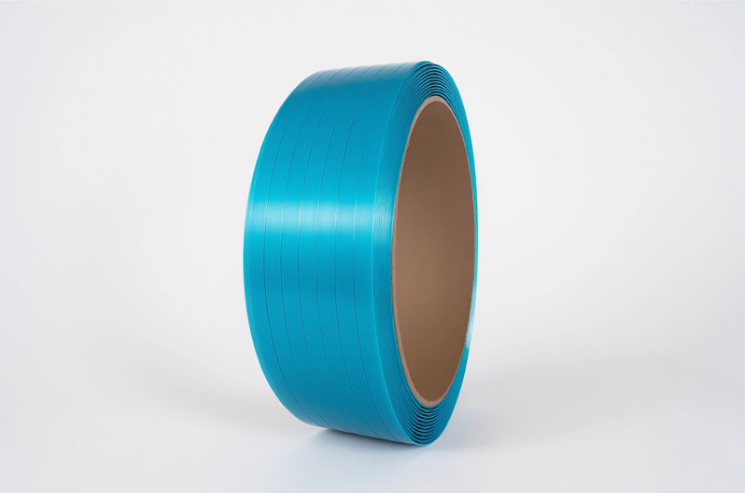
Understanding Polyester Straps for Automated Packaging Lines
Industrial packing systems need materials that are reliable, last a long time, and work well with automation. PET plastic steel packing belts, which are also called polyester strapping, are a huge step forward in the technology used to package things. The high-strength polyester fibers used to make these straps give them great performance qualities that are needed in current automated packing settings.
Superior Material Composition and Performance
When it comes to packing, polyester strapping materials are miles ahead of the competition. Because it has low elongation qualities and a high tensile strength (180–1360 kg break force), the composition keeps the stress constant during the packing process. These features make sure that the load stays safe during travel and storage, which is especially important for businesses that deal with heavy tools, building materials, and agricultural goods like cotton bales.
The material is fantastic at withstanding heat and being flexible, so it can be used in a wide range of warehouse and distribution center situations. When compared to steel options, polyester straps don't rust and look good. They help keep packages looking professional while keeping their structure even when temperatures change.
Environmental and Safety Advantages
Modern packing companies put worker safety and caring for the earth first. Polyester strapping doesn't have the sharp edges that come with steel options, which makes the workplace much safer. Because these materials are light, they put less physical pressure on the people who package things while still being very good at keeping loads in place.
The environment helps in more ways than just keeping workers safe. Polyester straps are made from materials that can be recycled, and they can be recycled through closed-loop systems, which helps companies with their environmental efforts. The method of making it uses a lot less energy than making steel, which helps lower the carbon footprint of all activities in the supply chain.
How to Choose the Right Polyester Strap for Your Packaging Line
To choose the best strapping materials, you need to carefully look at the working needs, load factors, and automation requirements. The F-1 criteria screening method gives you an organized way to make decisions that makes sure the new equipment will work with the old equipment and meet performance standards.
Analyzing Load Requirements and Automation Compatibility
The effectiveness of a packaging line depends a lot on choosing the right straps that match the load features with the material's abilities. Straps with higher break force ratings, usually between 800 and 1360 kg, are needed for heavy-duty uses with building materials, steel products, and industrial machines. Straps with break force specs between 180 and 500 kg may work well for lighter tasks like packaging electronics or market goods.
Another important thing to think about is how well it works with automation. Modern binding tools need materials that are all the same size and have the same mechanical qualities. With width choices ranging from 9 to 25 mm and thickness options ranging from 0.4 mm to 1.25 mm, different packaging line setups are possible. Machine makers often list the best strap properties for dependable use, such as the required surface roughness and the range of dimensions that can be accepted.
Customization and Specification Considerations
It's helpful for procurement managers to know about customization choices that make operations run more smoothly and raise brand awareness. Companies can use color customization, image printing, and character marking to make packaging that matches their brand while still keeping track of their goods. These features are especially useful for shipping companies that have to handle a lot of different product lines or special needs from different clients.
When it comes to operations, bulk roll shapes and pre-cut strap choices offer different benefits. Continuous roll systems keep machines running while straps are being changed, and pre-cut choices may make handling easier for semi-automatic operations. The most cost-effective way to do this is to compare these factors to the amount of work that needs to be done and the production rate.
Procurement Landscape for Polyester Straps: Sourcing and Supplier Insights
B2B buying teams have to find suppliers in a supplier market that is very complicated, and they have to balance quality needs with cost goals. Knowing how the market works, what suppliers can do, and how prices are set helps you make smart decisions that will help your business succeed in the long run.
Supplier Evaluation and Partnership Development
To successfully buy polyester PET strapping products, you need to form relationships with makers who can guarantee consistent quality, on-time delivery, and expert support. Suppliers with high-tech factories, like those with Italian screen switches and cold-drawing technology, usually have more consistent and reliable products. These investments in technology lead to higher pass rates and fewer problems after the sale that can stop packing processes.
Another important rating factor is the ability to manufacture. Suppliers who make more than 20,000 tons a year usually keep prices and shipping times fixed, even when demand is high. This level of output also means that there are well-established quality control systems and expert teams with a lot of experience who can help with ongoing automated packing line optimization.
Pricing Structure and Volume Considerations
Businesses that package things for industry should know how price affects the total cost of ownership. Specifications for materials, such as their width, thickness, and break force needs, have a direct effect on unit prices. Customization options like color matching, logo printing, and special marks may cost extra, but they offer practical benefits that make the higher price worth it.
Pricing levels are usually based on minimum order numbers, with higher amounts getting better rates. To make the best buying decisions, procurement teams should compare yearly patterns of usage with price breaks that are offered. Long-term supply arrangements may keep prices stable, which helps keep budgets accurate and makes sure that materials are always available.
Maintenance, Cleaning, and Environmental Impact of Polyester Straps
The right repair procedures make sure that the quality of the packaging stays the same throughout all automated processes and extend the life of the equipment. Understanding the care needs and effects on the environment helps with business planning and corporate responsibility efforts.
Preventive Maintenance and Performance Optimization
Scheduling regular inspections helps find problems before they hurt the efficiency of production. When you look at strap materials visually, you should look for surface damage, differences in size, or contamination that could affect how well the machine works. The way a material is stored has a big effect on its quality. Keeping the temperature stable stops degradation that could weaken its tensile strength or flexibility.
Cleaning procedures for tying equipment make sure it works at its best and keeps contamination from spreading to packed goods. Getting rid of glue residue, dust, and other debris on a regular basis keeps feeding mechanisms working properly and keeps machine parts from wearing out. These habits make tools last longer while keeping strap tension and setting accurate.
Sustainability and Waste Reduction Strategies
Environmental care is putting more and more attention on eco-friendly packing materials and programs that cut down on waste. Polyester strap materials are much better than steel options because they can be recycled and have less of an effect on the earth. Post-consumer recycling programs allow closed-loop material collection, which supports the ideas of the circular economy and lowers the cost of throwing things away.
When compared to steel strapping options, lighter packages make transportation more efficient. These weight decreases mean that transport networks will use less fuel and put out less carbon dioxide. Additionally, polyester materials don't rust, so there are no risks of package damage from rust. This lowers the cost of product loss and repair.
Case Studies and Real-World Applications of Polyester Straps in Automated Packaging
Polyester strapping is useful in many different types of industrial settings because it is flexible and performs well in harsh conditions. Real-world performance data backs up choices about which materials to use and gives practical optimization benchmarks.
Electronics Manufacturing Success Story
A big electronics company put polyester strap solutions on all of their automatic packing lines. Compared to the old steel strapping systems, these solutions cut down on downtime for packaging by 23%. The change got rid of injuries from sharp edges while keeping better load control for shipping of heavy appliances. During the deployment time, quality control data showed that 99% of tests passed, showing that the system consistently worked well.
Every day, the plant handles more than 15,000 units, which needs materials with uniform properties and automation that works well with them. Customized specs for strap sizes and break forces made sure that they met the needs of each product while standardizing the buying process across various production lines.
Agricultural Export Operations
Cotton processing plants have started using polyester cord strapping systems that are specifically made for packing a lot of bales at once. UV-resistant ingredients keep the structure strong even after being stored outside for a long time, and high-temperature resistance makes sure that the product works well in harsh weather. These sites say they can save 30% on costs compared to steel options while still making packages look better for export markets.
Because it works with technology, it can keep running even during peak harvest times, when more than 500 bales are processed every day. Consistent strap measurements and mechanical qualities make sure that the machine works reliably without having to be adjusted or serviced all the time.
Conclusion
When choosing the right polyester strapping for automatic packing lines, you have to balance performance needs with cost and how well it works with other parts of the system. Modern PET binding technology offers better alternatives to older materials and supports efforts to be more environmentally friendly and keep workers safe. For implementation to go well, load requirements, automation requirements, and supplier skills that guarantee long-term operating success must all be carefully looked at.
FAQ
What weight capacity can polyester straps handle in automated systems?
Depending on the specs, polyester straps can hold loads between 180 kg and 1360 kg. Heavy-duty tasks usually need straps that can hold up to 1,360 kg, while smaller packing tasks can use materials that can hold up to 180 kg. The right choice relies on the weight of the product, how it will be packaged, and how it needs to be transported.
How do polyester straps compare to steel alternatives for automated packaging?
Polyester straps are safer than steel ones because they don't have any sharp ends. They also have the same tensile strength. They are better at absorbing shocks, resisting rust, and being eco-friendly. When you look at material prices, working efficiency, and lower injury risks, a cost study usually shows savings of 15 to 30 percent.
Can polyester straps stand up to being stored outside?
UV-resistant textile mixtures keep working well after being outside for a long time. These materials can stand up to changes in temperature, moisture, and chemicals that could damage the structure of the box. Specialized grades made for farming and building construction projects offer better weather protection for tough circumstances.
Partner with Jushuo Packaging for Superior Polyester Strap Solutions
Jushuo Packaging specializes in manufacturing high-performance polyester strap solutions engineered for demanding automated packaging applications. Our advanced 15,000㎡ facility utilizes Italian screen changers and cutting-edge cold-drawing technology to ensure consistent quality and reliability. With annual production exceeding 20,000 tons, we deliver customized solutions including width options from 9-25mm, thickness variations from 0.4-1.25mm, and break forces spanning 180-1360kg. Contact our procurement specialists at sales@jushuopackaging.com to discuss your specific requirements and discover how our polyester strap manufacturer expertise can optimize your packaging operations.
References
Industrial Packaging Association. "Polyester Strapping Performance Standards for Automated Systems." Packaging Technology Review, 2023.
Mitchell, R. and Thompson, K. "Comparative Analysis of Strapping Materials in High-Volume Packaging Operations." Journal of Industrial Packaging, Vol. 45, 2023.
Environmental Packaging Council. "Sustainability Assessment of Polyester vs. Steel Strapping Materials." Green Packaging Quarterly, 2023.
Anderson, J. "Automation Compatibility Requirements for Modern Strapping Systems." Packaging Equipment Technology, 2023.
Global Packaging Research Institute. "Cost-Benefit Analysis of Polyester Strapping in Industrial Applications." International Packaging Economics, 2023.
Williams, S. and Chen, L. "Safety Improvements in Automated Packaging Through Advanced Strapping Materials." Workplace Safety in Manufacturing, 2023.

 English
 العربية
 Français
 Русский
 Español
 Português
 Deutsch
 italiano
 日本語
日本語 한국어
한국어 Nederlands
 Tiếng Việt
 ไทย
ไทย Polski
 Türkçe
 አማርኛ
አማርኛ ພາສາລາວ
 ភាសាខ្មែរ
 Bahasa Melayu
 ဗမာစာ
ဗမာစာ தமிழ்
தமிழ் Filipino
 Bahasa Indonesia
 magyar
 Română
 Čeština
 Монгол
 қазақ
қазақ Српски
 हिन्दी
 فارسی
فارسی Kiswahili
 Slovenčina
 Slovenščina
 Norsk
Norsk Svenska
 українська
 Ελληνικά
 Suomi
Suomi Հայերեն
 עברית
עברית Latine
 Dansk
Dansk اردو
اردو Shqip
Shqip বাংলা
বাংলা Hrvatski
 Afrikaans
 Gaeilge
 Eesti keel
 Māori
Māori සිංහල
සිංහල नेपाली
 Oʻzbekcha
 latviešu
 অসমীয়া
 Aymara
 Azərbaycan dili
 Bamanankan
 Euskara
 Беларуская мова
 भोजपुरी
 Bosanski
 Български
 Català
 Cebuano
 Corsu
Corsu ދިވެހި
 डोग्रिड ने दी
 Esperanto
 Eʋegbe
 Frysk
Frysk Galego
 ქართული
 guarani
 ગુજરાતી
 Kreyòl ayisyen
 Hausa
Hausa ʻŌlelo Hawaiʻi
 Hmoob
Hmoob íslenska
 Igbo
Igbo Ilocano
 Basa Jawa
 ಕನ್ನಡ
ಕನ್ನಡ Kinyarwanda
 गोंगेन हें नांव
 Krio we dɛn kɔl Krio
 Kurdî
Kurdî Kurdî
Kurdî Кыргызча
 Lingala
 Lietuvių
 Oluganda
 Lëtzebuergesch
 Македонски
 मैथिली
 Malagasy
 മലയാളം
 Malti
Malti मराठी
मराठी ꯃꯦꯇꯥꯏ (ꯃꯅꯤꯄꯨꯔꯤ) ꯴.
 Mizo tawng
 Chichewa
 ଓଡ଼ିଆ
ଓଡ଼ିଆ Afaan Oromoo
 پښتو
پښتو ਪੰਜਾਬੀ
 Runasimi
 Gagana Samoa
 संस्कृत
 Gaelo Albannach
 Sepeti
 Sesotho
 chiShona
 سنڌي
سنڌي Soomaali
 Basa Sunda
 Wikang Tagalog
 Тоҷикӣ
 Татарча
 తెలుగు
 ትግንያውያን
 Xitsonga
 Türkmençe
 संस्कृत
 ئۇيغۇرچە
 Cymraeg
 isiXhosa
 ייִדיש
 Yorùbá
 isiZulu


