Small farms all over the United States need solid, low-cost ways to secure their cotton bales, and cotton bale strap choices have changed a lot to meet these needs. Modern strapping materials made from PET are much stronger, don't break easily in bad weather, and are better for the earth than standard steel or plastic strapping. These environmentally friendly packing options give small farms professional-grade bale security at prices that are easy on the wallet. They support healthy farming methods and effective crop management systems.
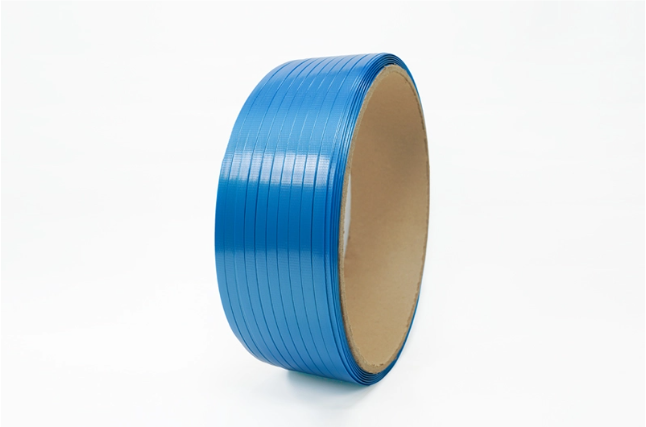
Understanding Cotton Bale Straps for Small Farms
Cotton bale securing devices are an important way to protect farm goods while they are being stored or transported. The latest technology in cotton bale strap has changed how farmers handle their bales by giving them more advanced materials that work better than older choices.
Materials and Construction Standards
To make modern straps, scientists have created improved polyester (PET) materials that are very strong when pulled apart. The breaking strengths of these man-made materials range from 180 to 1360 kilograms, so they can handle the different bale sizes and weight needs that small farms have. Specialized production methods are used in the building process to make sure that quality and performance stay the same in all kinds of environments.
Specifications for width usually range from 9 to 25 millimeters, and those for thickness range from 0.4 to 1.25 millimeters. This gives you the freedom to choose the right sizes for your needs. This range of dimensions lets farmers get the most out of their materials while still making sure they have enough safety for the bale shapes they use and the way they need to move them.
Environmental Advantages and Sustainability
Compared to standard steel strapping materials, PET-based strapping materials are much better for the earth. These recyclable materials cut down on trash while also being resistant to UV light and temperature changes, which makes them last longer in harsh agricultural circumstances. The ability to prevent corrosion gets rid of the problems that come with metal strapping systems, saving both the cotton product and the tools used to handle it.
Modern strapping is very light, which makes it easier for farm workers to handle and lowers the cost of shipping. The smooth surface finish also keeps the cotton fibers from getting damaged and lowers the safety risks that come with using sharp metal edges when installing or removing the product.
How to Choose the Right Cotton Bale Strap for Your Small Farm?
To choose the right strapping options for small farms, you need to carefully consider a number of technical and practical factors. By knowing about these things, you can make smart choices about procurement that improve both efficiency and cost-effectiveness.
Load-Bearing Capacity Assessment
To figure out what the tensile strength needs to be, you should first look at the average bale weight and mass of the cotton you grow. Round bales can weigh more than 1,200 pounds, based on how compressed they are and how much water they contain. Standard rectangular bales usually weigh between 480 and 800 pounds. These differences can be handled by modern cotton PET strap systems that have designed strength rates that give enough safety margins.
Resistance to temperature changes is especially important in places where the weather is extreme. The structural integrity of good PET strapping stays the same at temperatures ranging from -40°F to 180°F. This means that it will work reliably during yearly storage times and transportation cycles.
Compatibility with Equipment Systems
Modern farms depend more and more on automatic binding equipment that works best with certain types of materials. The width and thickness of the straps must match the capabilities of the tensioning tools and clip binding systems you use in your business.
The stretchiness of PET strapping allows it to maintain an adaptable tension that adapts to the natural settling and compression changes that happen in stored bales. This flexibility stops the bale from coming apart, which can happen with hard strapping materials, so it can be stored for long periods of time without having to be retensioned.
Supplier Evaluation Criteria
Reliable suppliers show consistent quality control by showing proof of tests and certificates that match the material specs. Minimum order numbers vary a lot from one seller to the next. Some focus only on large-volume corporate customers, while others offer flexible purchasing plans to meet the needs of small farms.
During busy harvest times, when strapping materials need to arrive exactly when they're wanted, delivery schedules become very important. By building relationships with providers who know the timing needs of agriculture and keep enough goods on hand, you can avoid costly delays during important baling operations.
Best Practices for Using Cotton Bale Straps on Small Farms
Using the right strapping methods has a direct effect on both the security of the bale and the life of the material, which in turn affects running costs and the efficiency of crop protection.
Installation Techniques and Tools
To do proper tensioning, you need to know how to combine the limits of material stress with the right amount of compression. Too much tension can cause the bale to fail early, while not enough tension makes it less stable during transport and handling. When used on a small farm, manual tensioning tools give workers exact control and let them get the same results on multiple bales.
Patterns of where straps are placed have a big effect on how stable the bale is and how well the material works. Putting bands at the right distances apart spreads the compression forces out evenly while using as little material as possible. Depending on their size and how long they will be stored, standard rectangular boxes usually need two to three straps.
Storage and Maintenance Protocols
Protecting the strapping material from the environment while it is being stored increases its useful life and keeps its performance. Keeping cotton bale strap materials that haven't been used in dry, temperature-controlled places keeps them from breaking down from being exposed to water and high temperature changes.
Regular inspections help find problems before they become a threat to crop security. Regularly checking the state of the straps, clips, and tightness should be done visually, especially for bales that have been stored for a long time. Finding wear patterns early on lets you replace things before they break.
Safety Considerations and Training
Worker safety rules need to include the right way to handle things so that no one gets hurt while binding. Cotton baling strap is safer to use than steel options because it has smooth edges and is light. However, proper training is still needed for safe operation.
For cutting tasks, you need tools that are made to work with polymer materials. Standard wire clippers might not make clean cuts that stop splitting and stress concentration points that could cause the wire to break too soon when it's under load.
Affordable Procurement Solutions: Where and How to Buy Cotton Bale Straps?
Cost-effective procurement strategies enable small farms to access professional-grade strapping materials without exceeding budget constraints or compromising quality standards.
Wholesale versus Retail Purchasing Models
Most of the time, buying in bulk saves you a lot of money, but smaller businesses may not need the minimum order amounts right away. When farms in the same area work together to buy things, they can get better market prices and share their stock among many people.
Buying things in stores gives you more control over when and how much you buy, so you can meet the needs of different seasons without having to make big investments in goods. However, the price per unit is usually higher than the bulk price, so it's important to carefully look at the total cost effects, which should include things like storage and handling.
Online Platform Advantages
Digital buying tools make it easy to compare prices and make sure that specifications are met, which speeds up the selection process. Many sellers offer full technical documentation and customer help online, which lets customers make smart decisions without having to talk to a lot of salespeople.
When compared to traditional buying methods, online platforms for organizing deliveries often offer more freedom and the ability to keep track of orders. This openness helps schedule the coming of strapping materials with baling operations, which cuts down on storage needs and makes sure there is new stock for times of high demand.
Pricing Structure Analysis
Knowing the things that affect costs helps you make accurate budgets and compare suppliers. Raw material prices change over time, which affects base material costs. However, good sellers keep prices stable by signing longer-term contracts and using smart inventory management strategies.
Shipping costs can have a big effect on the total cost of buying something, especially for orders of a small amount. Regional suppliers may be better at delivering goods and responding quickly, while bigger national suppliers may offer better base prices that make up for the cost of shipping.
The following pricing considerations affect total ownership costs and should be taken into account when choosing a supplier:
l Material specifications impact pricing structures: Higher tensile strength rates and special features like UV resistance command premium pricing, but extended service life often justifies the additional investment through reduced replacement frequency and improved crop protection.
l Customization options influence costs: Standard colors and sizes usually have the best deals, while custom printing, specialty colors, or non-standard sizes may require minimum order commitments that exceed small farm requirements.
l Volume pricing tiers create opportunities: Many sellers have graduated pricing structures that encourage bigger orders, but it takes careful research to make sure that the benefits of buying in bulk outweigh the costs of storage and bringing them.
Because prices change so quickly, it's important to weigh the short-term costs of buying things with the long-term benefits for operations and the ability to handle goods in a way that works for each farm.
Case Studies and Testimonials: Success Stories from Small Farms
Examples from real life show how useful and inexpensive modern cotton bale strap systems are in a range of farming situations and on farms of all kinds and locations.
Midwest Family Farm Implementation
Thompson Farms, a 320-acre cotton farm in Missouri, switched from steel straps to systems based on PET during the 2022 crop. As a result, the cost of strapping materials went down by 23%, and worker safety was improved by getting rid of sharp edge dangers.
The corrosion-resistant qualities made storage much more efficient because they kept stored bales from getting rust stains. Customers who bought cotton from the farm were happier because the product looked better and there were fewer risks of pollution from metal strapping leftovers.
Polymer binding materials are lighter and easier to handle, which made workers more productive in a measurable way. The time it took to install each bale went down by about 15%, which meant that the same crew could handle more bales during busy harvest times without having to pay extra for overtime.
Texas Cooperative Success Story
Twelve small farms, totaling 1,840 acres, are part of the Cedar Creek Cotton Cooperative. They arranged for the planned purchase of high-performance strapping materials. When compared to buying materials on an individual farm, the group purchasing plan saved 31% on costs while making sure that all member businesses used the same materials.
Working with a single supplier who offered technical help and training on the right way to put things led to better quality consistency. Because of higher standards for presentation, member farms reported fewer bales breaking during shipping and higher acceptance rates from processing plants.
Southeastern Organic Farm Experience
Magnolia Organic Farms in Georgia prioritized environmental sustainability in selecting cotton bale strap materials for their 180-acre certified organic business because they are environmentally friendly. The reusable PET strapping fit with their goal to be environmentally friendly and was better at withstanding the weather during long periods of storage in the field.
A study of costs showed that overall tying costs went down by 18% over three years. This was mostly because the straps lasted longer and needed to be replaced less often. The UV-resistant features kept the material's structure during storage times in the summer, when temperatures regularly went above 95°F for long periods of time.
Customer comments from people who buy organic cotton showed that they really liked the environmentally friendly packing. This helped farmers get better prices and long-term contracts that made them more money.
Conclusion
Modern strapping solutions give small farms chances they've never had before to make cotton bales safer while keeping costs down by using better materials and buying them in smarter ways. PET-based systems deliver superior performance compared to traditional alternatives while supporting environmental sustainability goals that increasingly influence agricultural markets. Successful implementation requires understanding technical specifications, proper installation techniques, and strategic supplier relationships that align with farm's needs and budget constraints.
FAQ
What load capacity should I expect from modern strapping materials?
Good PET strapping systems can handle break forces between 180 and 1360 kilograms, which is enough to handle the weight of a normal cotton bale with safety limits. The exact capacity needed varies on the size of the bale, its compression density, and how it is handled, but for most small farm applications find 500–800 kilogram ratings adequate for typical rectangular bales.
How do environmental factors affect strapping performance?
These days' PET materials are very good at resisting UV light, high temperatures, and water. Because of these qualities, they keep their tensile strength and flexibility at temperatures ranging from -40°F to 180°F, which means they can be stored outside all year, which is common in farming settings.
What minimum order quantities should small farms expect?
Minimum order requirements change a lot from one seller to the next, ranging from a single roll to commitments for many thousands of pounds. Many makers meet the needs of small farms through networks of distributors who can offer a range of quantities. For farms that need bigger amounts, direct purchasing often offers better prices.
Can I customize strapping materials for specific applications?
You can change the width and thickness, choose the color, and put logos or words to help people identify the product. Standard specs usually have the most affordable prices, while special needs might require you to place a larger order and wait longer for delivery.
Contact Jushuo Packaging for Premium Cotton Bale Strap Solutions
Small farms deserve access to professional-grade strapping materials that deliver reliable performance without exceeding budget constraints. Jushuo Packaging specializes in manufacturing high-quality PET strapping systems specifically designed for agricultural applications, offering cotton bale strap solutions with tensile strengths up to 1360 kilograms and customizable specifications including width, thickness, and color options. Our 15,000㎡ manufacturing facility utilizes advanced Italian technology and strict quality control processes that ensure 99% pass rates and minimal after-sales issues. Contact our agricultural packaging specialists at sales@jushuopackaging.com to discuss custom solutions and volume pricing for your cotton bale strap supplier needs.
References
Agricultural Packaging Institute. "Modern Strapping Materials in Cotton Production: A Comprehensive Analysis." Journal of Agricultural Engineering, 2023.
Thompson, Michael R. "Cost-Benefit Analysis of PET versus Steel Strapping in Small Farm Operations." Farm Management Quarterly, 2023.
United States Department of Agriculture. "Cotton Bale Handling Standards and Safety Guidelines." USDA Agricultural Handbook No. 843, 2022.
Peterson, Sarah L., and Williams, David K. "Environmental Impact Assessment of Packaging Materials in Agricultural Applications." Sustainable Agriculture Review, 2023.
National Cotton Council. "Best Practices for Cotton Bale Security and Transportation." Industry Guidelines Publication, 2022.
Rodriguez, Carlos M. "Procurement Strategies for Small Farm Operations: Equipment and Materials Management." Agricultural Business Management, 2023.

 English
 العربية
 Français
 Русский
 Español
 Português
 Deutsch
 italiano
 日本語
日本語 한국어
한국어 Nederlands
 Tiếng Việt
 ไทย
ไทย Polski
 Türkçe
 አማርኛ
አማርኛ ພາສາລາວ
 ភាសាខ្មែរ
 Bahasa Melayu
 ဗမာစာ
ဗမာစာ தமிழ்
தமிழ் Filipino
 Bahasa Indonesia
 magyar
 Română
 Čeština
 Монгол
 қазақ
қазақ Српски
 हिन्दी
 فارسی
فارسی Kiswahili
 Slovenčina
 Slovenščina
 Norsk
Norsk Svenska
 українська
 Ελληνικά
 Suomi
Suomi Հայերեն
 עברית
עברית Latine
 Dansk
Dansk اردو
اردو Shqip
Shqip বাংলা
বাংলা Hrvatski
 Afrikaans
 Gaeilge
 Eesti keel
 Māori
Māori සිංහල
සිංහල नेपाली
 Oʻzbekcha
 latviešu
 অসমীয়া
 Aymara
 Azərbaycan dili
 Bamanankan
 Euskara
 Беларуская мова
 भोजपुरी
 Bosanski
 Български
 Català
 Cebuano
 Corsu
Corsu ދިވެހި
 डोग्रिड ने दी
 Esperanto
 Eʋegbe
 Frysk
Frysk Galego
 ქართული
 guarani
 ગુજરાતી
 Kreyòl ayisyen
 Hausa
Hausa ʻŌlelo Hawaiʻi
 Hmoob
Hmoob íslenska
 Igbo
Igbo Ilocano
 Basa Jawa
 ಕನ್ನಡ
ಕನ್ನಡ Kinyarwanda
 गोंगेन हें नांव
 Krio we dɛn kɔl Krio
 Kurdî
Kurdî Kurdî
Kurdî Кыргызча
 Lingala
 Lietuvių
 Oluganda
 Lëtzebuergesch
 Македонски
 मैथिली
 Malagasy
 മലയാളം
 Malti
Malti मराठी
मराठी ꯃꯦꯇꯥꯏ (ꯃꯅꯤꯄꯨꯔꯤ) ꯴.
 Mizo tawng
 Chichewa
 ଓଡ଼ିଆ
ଓଡ଼ିଆ Afaan Oromoo
 پښتو
پښتو ਪੰਜਾਬੀ
 Runasimi
 Gagana Samoa
 संस्कृत
 Gaelo Albannach
 Sepeti
 Sesotho
 chiShona
 سنڌي
سنڌي Soomaali
 Basa Sunda
 Wikang Tagalog
 Тоҷикӣ
 Татарча
 తెలుగు
 ትግንያውያን
 Xitsonga
 Türkmençe
 संस्कृत
 ئۇيغۇرچە
 Cymraeg
 isiXhosa
 ייִדיש
 Yorùbá
 isiZulu


